




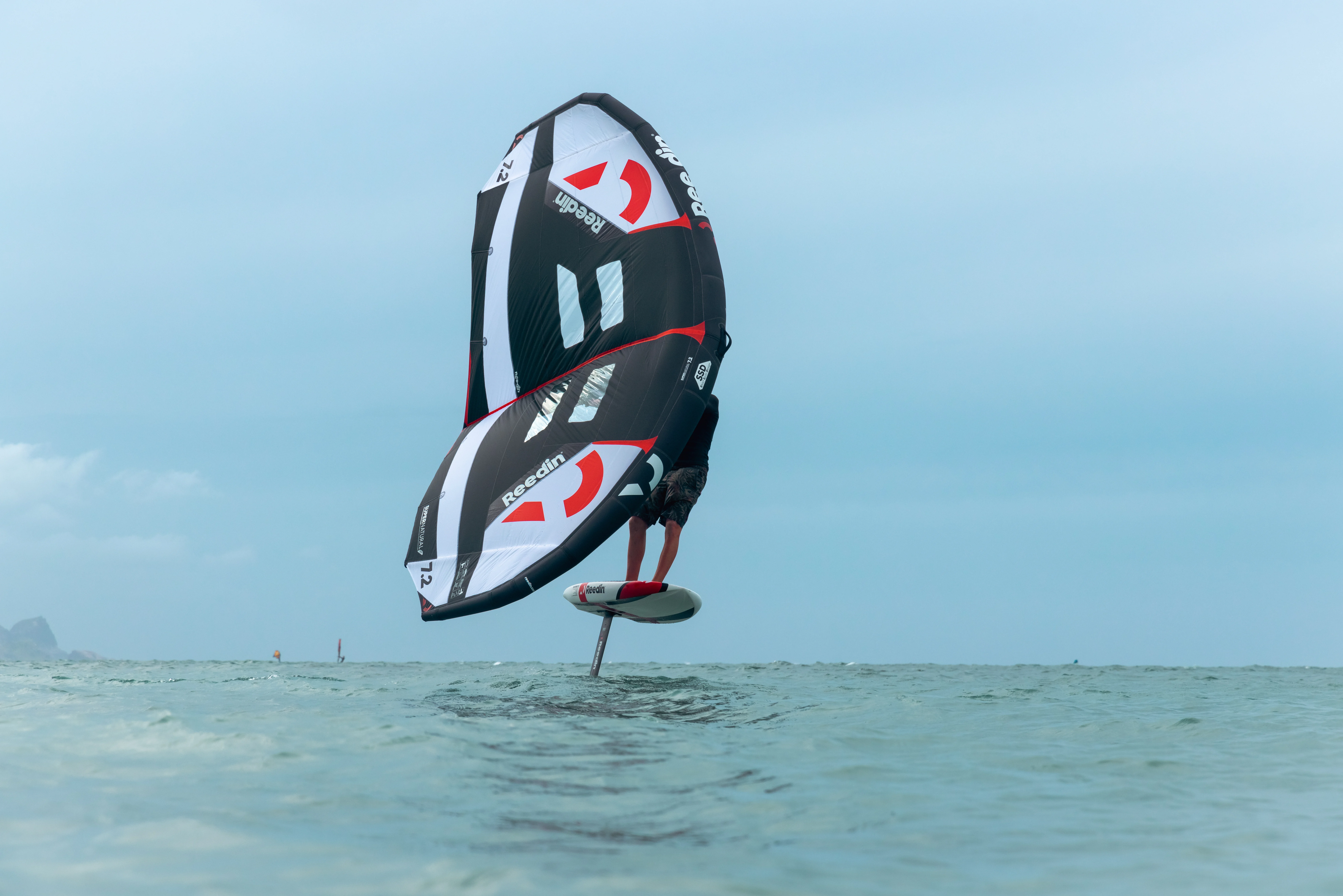
Choosing between a high-end carbon mast and a more budget-friendly aluminum model is one of the most critical gear decisions a foiler can make. Your choice determines the foil’s stiffness, overall weight, and the directness of the feedback you feel from the foil wings beneath the surface. This guide breaks down the pros and cons of each material to help you select the right setup for your skill level, riding style, and budget.
Aluminum Masts: Rugged Durability and Superior Value
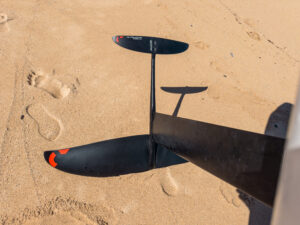
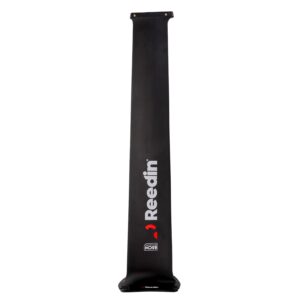
Aluminum masts are the standard for most wing foilers, offering an ideal balance of affordability and resilience. Reedin’s aluminum masts utilize a tapered design with variable wall thickness, which optimizes stiffness in high-load areas while maintaining a thin, low-drag profile. This engineering ensures that a mast like the Mast Alu/Carbon for FlightAttendant and ElCapitano remains rigid and predictable even under heavy pressure.
The standout advantage of aluminum is its impact resistance. In shallow water or rocky coastal areas, incidental contact usually results in minor cosmetic scratches that are easily repaired. For beginners and kite schools, a shorter aluminum mast is often preferred for its stability and the forgiving “feel” it provides during those first sessions in the air.
-
![Reedin StewardFoil 2026]()
![Reedin StewardFoil 2026]()
![Reedin StewardFoil 2026]()
![Reedin StewardFoil 2026]()
![Reedin StewardFoil 2026]()
![Reedin StewardFoil 2026]()
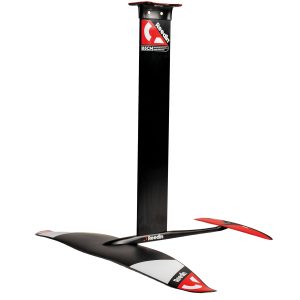
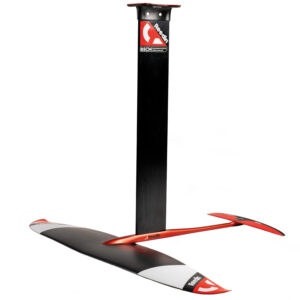
Reedin StewardFoil 2026
Price range: 849.00€ through 949.00€ -
Flight Attendant Mast
Price range: 155.00€ through 879.00€
Carbon Masts: Elite Performance and Lightweight Handling
Carbon masts are engineered for riders who prioritize maximum responsiveness and weight reduction. The primary benefits of carbon fiber are its exceptional strength-to-weight ratio and its natural immunity to saltwater corrosion. A carbon mast creates a “direct-drive” feel between your feet and the foil; every subtle weight shift is instantly translated to the wing without the slight delay or “flex” sometimes felt in aluminum.
This precision is essential when paired with high-performance gear like the El Capitano series, where speed and carving accuracy are paramount. While carbon is significantly lighter—making pumping and aerial maneuvers more effortless—it is more sensitive to localized impacts. Carbon gear requires more careful handling during transport and setup to avoid chips or structural damage.
-
![Mast Alu/Carbon for FlightAttendant and ElCapitano]()
Mast Alu/Carbon for FlightAttendant and ElCapitano
Price range: 279.00€ through 989.00€
The Breakdown: Weight, Stiffness, and Longevity
When comparing masts, consider these technical factors that will influence your progression and the lifespan of your gear:
- Weight: Carbon is noticeably lighter, which improves the “swing weight” on the water and makes the trek down the beach much easier.
- Stiffness: While top-tier High Modulus carbon provides ultimate rigidity, modern tapered aluminum designs offer more than enough stiffness for the average recreational rider.
- Durability: Aluminum is the “workhorse” material that handles rough treatment well. Carbon is premium equipment that demands a higher level of care.
- Maintenance: Aluminum requires regular rinsing and bolt lubrication (TEFGEL) to prevent galvanic corrosion (seizing). Carbon is chemically inert and does not corrode in saltwater.
- Price: Aluminum masts are highly accessible, typically starting around €279, whereas high-performance carbon masts can reach €989.
Choosing the Right Mast Length and Material
Your decision should align with your experience and the conditions you frequent. According to our comprehensive foil mast length guide, beginners should generally start with a 75 cm mast. This provides a lower center of gravity and more control during early flights. For intermediate riders, an 80–85 cm mast is the “sweet spot,” providing enough clearance for choppy water without sacrificing stability.
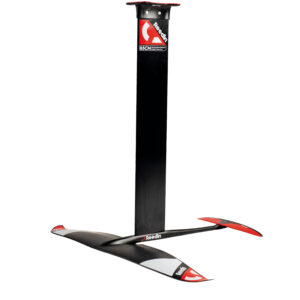
Advanced riders using the Flight Attendant 2026 system often gravitate toward 85 cm or 95 cm carbon masts. A longer mast allows for more aggressive lean angles in turns and helps prevent “breaching” when riding over large swells. If your goal is maximum airtime, effortless pumping, or racing, the performance gains of carbon easily justify the investment.
-
![FLIGHT ATTENDANT 2024 used]()
![FLIGHT ATTENDANT 2024 used]()
![FLIGHT ATTENDANT 2024 used]()
![FLIGHT ATTENDANT 2024 used]()
![FLIGHT ATTENDANT 2024 used]()
![FLIGHT ATTENDANT 2024 used]()
![FLIGHT ATTENDANT 2024 used]()
![FLIGHT ATTENDANT 2024 used]()
![FLIGHT ATTENDANT 2024 used]()
FLIGHT ATTENDANT 2024 used
570.00€ -
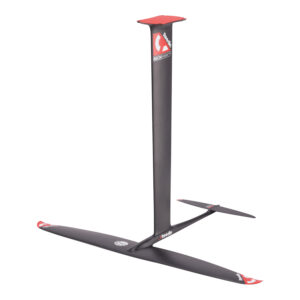
![Reedin EL CAPITANO 2026]()
![Reedin EL CAPITANO 2026]()
![Reedin EL CAPITANO 2026]()
![Reedin EL CAPITANO 2026]()
![Reedin EL CAPITANO 2026]()
![Reedin EL CAPITANO 2026]()
![Reedin EL CAPITANO 2026]()
![Reedin EL CAPITANO 2026]()
![Reedin EL CAPITANO 2026]()
Reedin EL CAPITANO 2026
Price range: 1,209.00€ through 1,895.00€
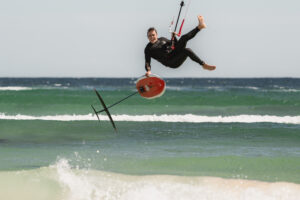

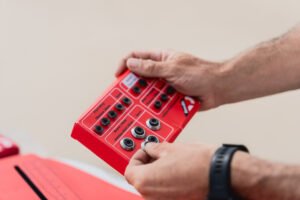

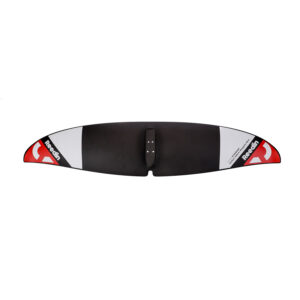
Watch this video where Reedin’s head designer, Damien Girardin, explains the technical nuances of choosing the right foil equipment:
Reedin Wing Pack Designer Talk with Damien Girardin – Watch the video and choose your gear wisely
Regardless of which material you choose, consistent wing foil equipment maintenance is vital for safety and longevity. For aluminum setups, it is particularly important to grease the bolts and rinse the connection points with fresh water after every session to prevent salt buildup and oxidation.
Ready to upgrade your flight? Explore our wide selection of foils to find the mast that best matches your riding ambitions.
 No products in the basket.