




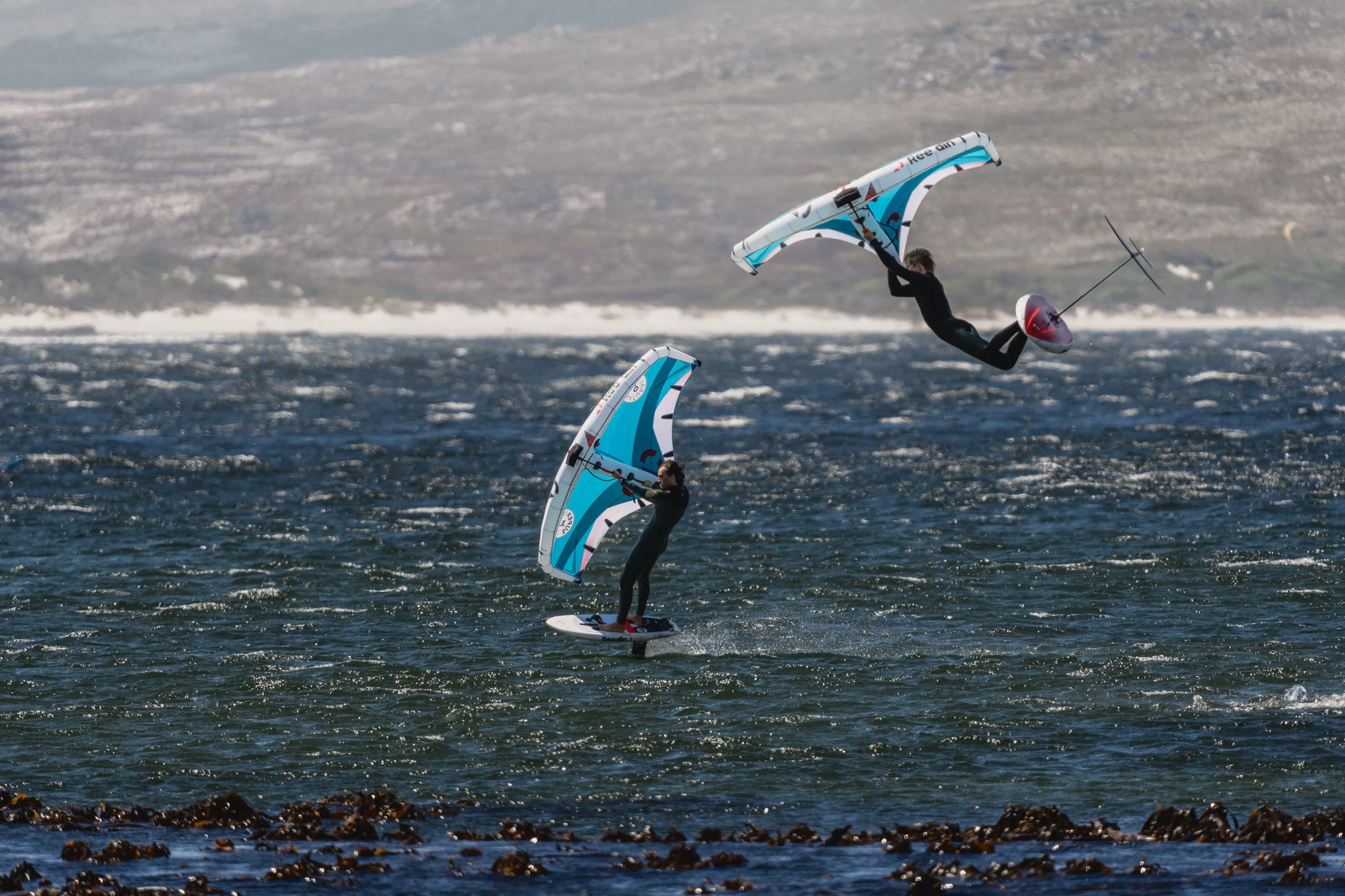
Have you hit a plateau in your riding? For advanced wing foilers, progression isn’t just about staying up; it’s about refining your technique to handle higher speeds and maintaining total control in the turbulent, choppy conditions typical of the Baltic Sea. These tips will help you bridge the gap between “getting by” and truly mastering the elements.
Mastering Transitions: The Art of the Tack and Jibe
Once you have mastered the wing foil exercises for beginners, the next step is moving beyond the standard downwind turn. For the advanced rider, the goal is total fluidity—maintaining flight throughout the entire maneuver without the board touching the water or losing momentum.
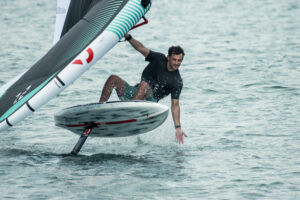
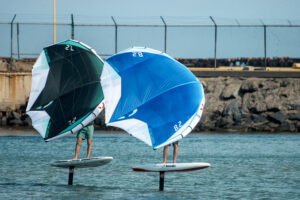
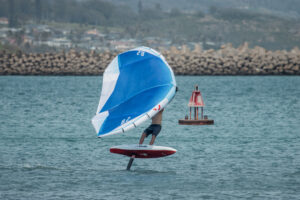
The upwind turn, or tack, requires decisive movement through the wind window. Unlike a jibe, where you turn downwind, a tack requires you to keep your torso upright and drive the wing toward the nose of the board with straight arms. This technique stabilizes the foil even when you momentarily lose wind pressure. It is also essential to master riding in switch stance. Being comfortable in your “unnatural” position is the foundation for more complex maneuvers like the tack-to-switch or the power 360º.
Body mechanics are everything here. During the turn, apply only light, precise pressure to your toes or heels. Over-leaning often causes the foil to “breach” or lead to ventilation—where air bubbles get trapped under the wing—resulting in a sudden loss of lift.
| [Wing Foiling | How to Jibe – Watch the video to refine your turning technique](https://www.youtube.com/watch?v=c_nYSddvACQ) |
Speed and Efficiency: High-Aspect Foils
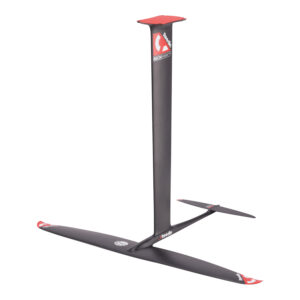
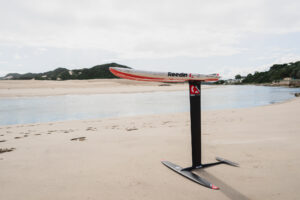
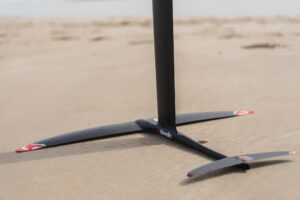
Maximizing your top-end speed requires equipment that minimizes drag. Advanced riders gravitate toward foils with a high aspect ratio—long, narrow front wings that offer a superior lift-to-drag ratio.
If you are looking to break speed records, the El Capitano series is built for exactly that, offering an incredible glide that reduces the need for constant pumping. For those who want a more versatile platform that remains stable and predictable during aggressive carving, the Flight Attendant is the go-to choice. For a deeper dive into which setup suits your style, check out our Flight Attendant vs. El Capitano comparison.
-
![Reedin EL CAPITANO 2026]()
![Reedin EL CAPITANO 2026]()
![Reedin EL CAPITANO 2026]()
![Reedin EL CAPITANO 2026]()
![Reedin EL CAPITANO 2026]()
![Reedin EL CAPITANO 2026]()
![Reedin EL CAPITANO 2026]()
![Reedin EL CAPITANO 2026]()
![Reedin EL CAPITANO 2026]()
Reedin EL CAPITANO 2026
Price range: 1,209.00€ through 1,895.00€

Mast Length and Handling the Chop
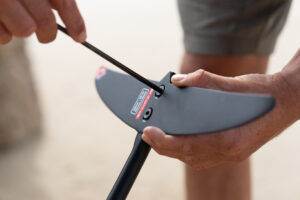
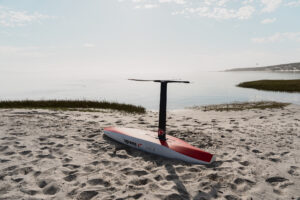
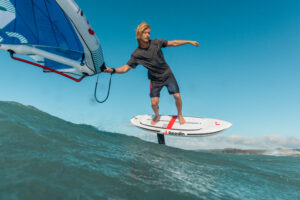
The short, steep “chop” found along the Estonian coastline is the ultimate testing ground for an advanced rider. In these conditions, mast length is a game-changer. While 60–75 cm masts are standard for learning, advanced riders should step up to 85 cm or more.
A longer mast provides several distinct advantages:
- Increased Clearance: More “room to play” between waves prevents the board’s nose from catching the water.
- Aggressive Leaning: You can achieve steeper lean angles during high-speed carves without the wingtips breaching the surface and catching air.
Equipment Synergy and Compactness
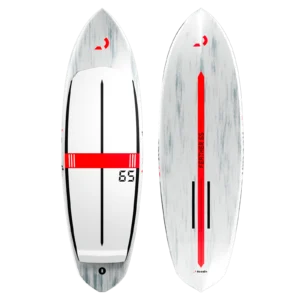
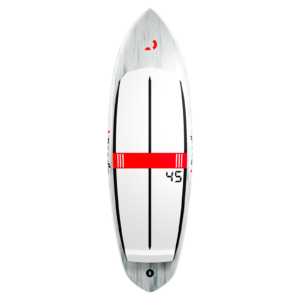
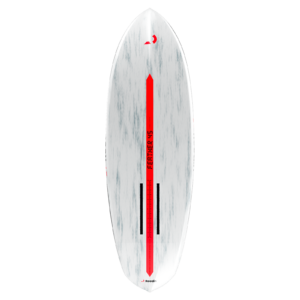
Reducing the volume and weight of your board minimizes swing weight, making maneuvers faster and jumps more explosive. Experienced riders often transition to foil boards with a volume 15–40 liters below their body weight.
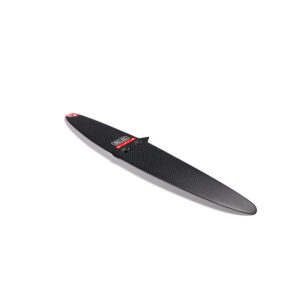
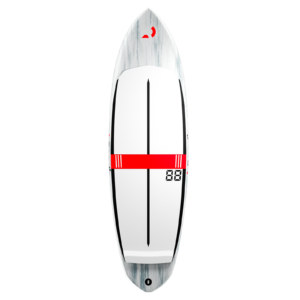
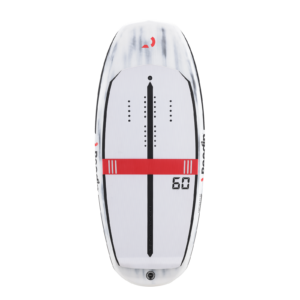
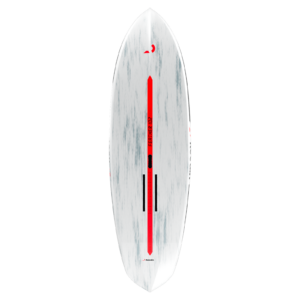
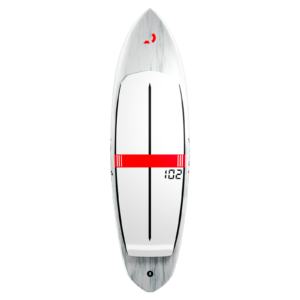
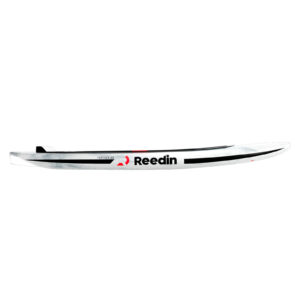
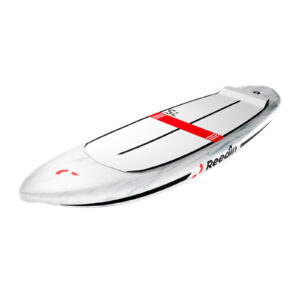
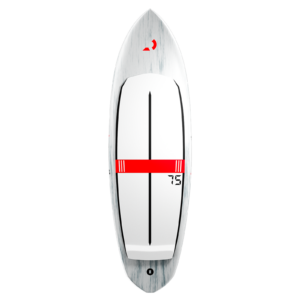
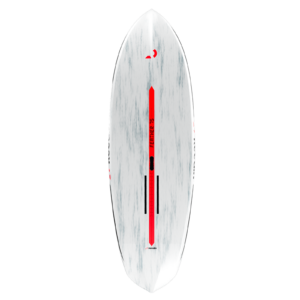
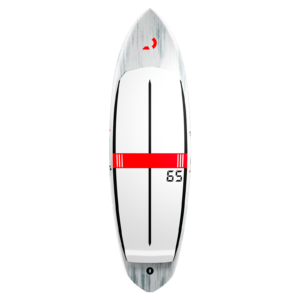
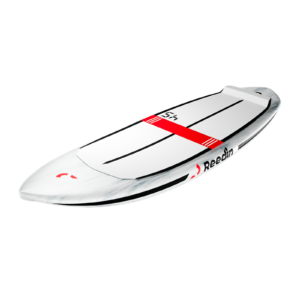
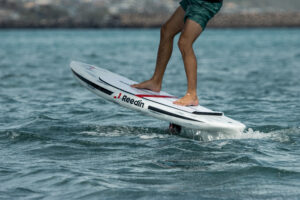
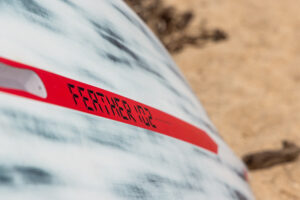
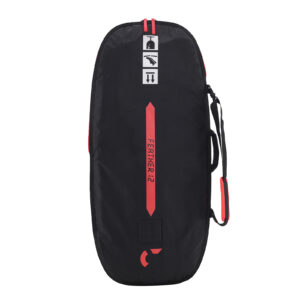
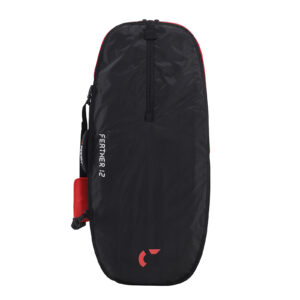
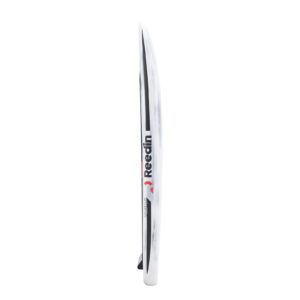
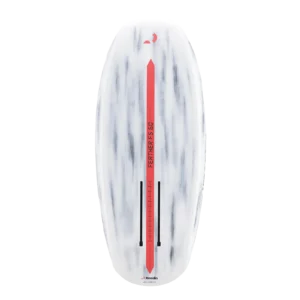
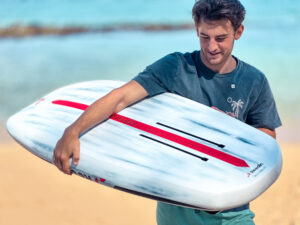
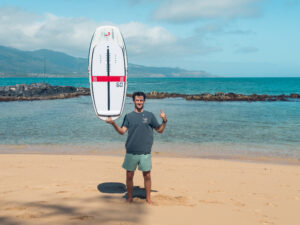
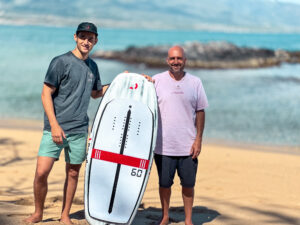
The Feather FS model, for instance, was designed alongside freestyle pros to ensure lightning-fast reactions and stable landings. If your priority is pure light-wind performance and early takeoff, the Feather LW’s full carbon construction provides the weight savings necessary for marginal conditions.
-
![Reedin FEATHER 2026]()
![Reedin FEATHER 2026]()
![Reedin FEATHER 2026]()
![Reedin FEATHER 2026]()
![Reedin FEATHER 2026]()
![Reedin FEATHER 2026]()
![Reedin FEATHER 2026]()
![Reedin FEATHER 2026]()
![Reedin FEATHER 2026]()
![Reedin FEATHER 2026]()
![Reedin FEATHER 2026]()
![Reedin FEATHER 2026]()
![Reedin FEATHER 2026]()
![Reedin FEATHER 2026]()
![Reedin FEATHER 2026]()
![Reedin FEATHER 2026]()
![Reedin FEATHER 2026]()
![Reedin FEATHER 2026]()
![Reedin FEATHER 2026]()
![Reedin FEATHER 2026]()
![Reedin FEATHER 2026]()
![Reedin FEATHER 2026]()
![Reedin FEATHER 2026]()
![Reedin FEATHER 2026]()
![Reedin FEATHER 2026]()
![Reedin FEATHER 2026]()
![Reedin FEATHER 2026]()
![Reedin FEATHER 2026]()
Reedin FEATHER 2026
Price range: 1,639.00€ through 1,789.00€ -
![Reedin FEATHER FS 2026]()
![Reedin FEATHER FS 2026]()
![Reedin FEATHER FS 2026]()
![Reedin FEATHER FS 2026]()
![Reedin FEATHER FS 2026]()
![Reedin FEATHER FS 2026]()
![Reedin FEATHER FS 2026]()
![Reedin FEATHER FS 2026]()
![Reedin FEATHER FS 2026]()
![Reedin FEATHER FS 2026]()
![Reedin FEATHER FS 2026]()
![Reedin FEATHER FS 2026]()
![Reedin FEATHER FS 2026]()
![Reedin FEATHER FS 2026]()
![Reedin FEATHER FS 2026]()
![Reedin FEATHER FS 2026]()
![Reedin FEATHER FS 2026]()
Reedin FEATHER FS 2026
1,599.00€











High-Wind Riding and Wing Rigidity
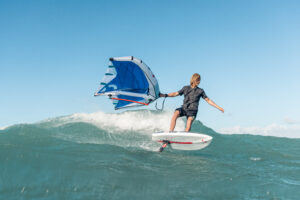
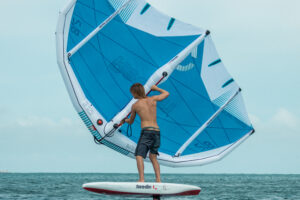
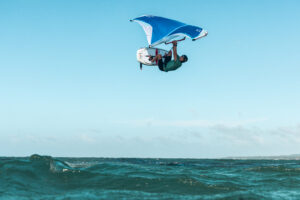
In winds exceeding 25 knots, control is a matter of choosing the right wing size. An oversized wing creates excessive pull, leading to arm fatigue and imprecise foil control. The SuperNatural series is renowned for its massive wind range and stability, particularly in free-fly mode, where you can flag the wing out by the front handle and let the wave’s energy do the work.
-

![REEDIN SUPERNATURAL 2026]()
![REEDIN SUPERNATURAL 2026]()
![REEDIN SUPERNATURAL 2026]()
![REEDIN SUPERNATURAL 2026]()
![REEDIN SUPERNATURAL 2026]()
![REEDIN SUPERNATURAL 2026]()
![REEDIN SUPERNATURAL 2026]()
![REEDIN SUPERNATURAL 2026]()
![REEDIN SUPERNATURAL 2026]()
![REEDIN SUPERNATURAL 2026]()
![REEDIN SUPERNATURAL 2026]()
![REEDIN SUPERNATURAL 2026]()
![REEDIN SUPERNATURAL 2026]()
![REEDIN SUPERNATURAL 2026]()
![REEDIN SUPERNATURAL 2026]()
![REEDIN SUPERNATURAL 2026]()
![REEDIN SUPERNATURAL 2026]()
![REEDIN SUPERNATURAL 2026]()
![REEDIN SUPERNATURAL 2026]()
![REEDIN SUPERNATURAL 2026]()
![REEDIN SUPERNATURAL 2026]()
![REEDIN SUPERNATURAL 2026]()
![REEDIN SUPERNATURAL 2026]()
![REEDIN SUPERNATURAL 2026]()
![REEDIN SUPERNATURAL 2026]()
![REEDIN SUPERNATURAL 2026]()
![REEDIN SUPERNATURAL 2026]()
![REEDIN SUPERNATURAL 2026]()
![REEDIN SUPERNATURAL 2026]()
![REEDIN SUPERNATURAL 2026]()
![REEDIN SUPERNATURAL 2026]()
REEDIN SUPERNATURAL 2026
Price range: 920.00€ through 1,195.00€
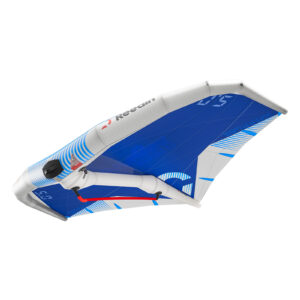
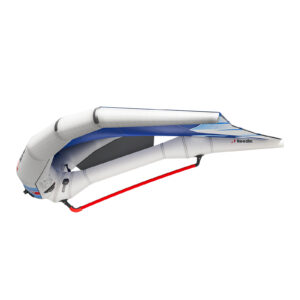
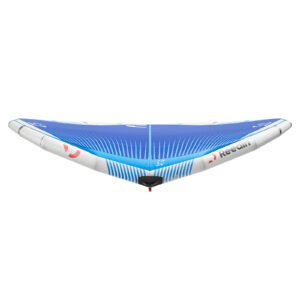
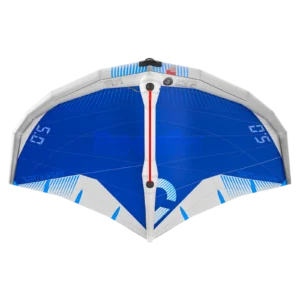
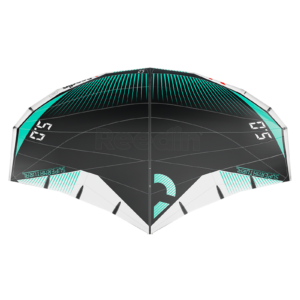
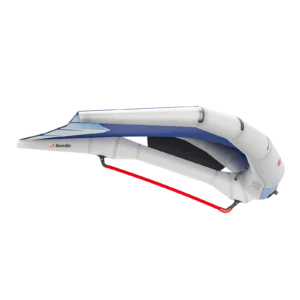
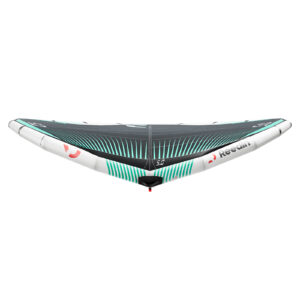
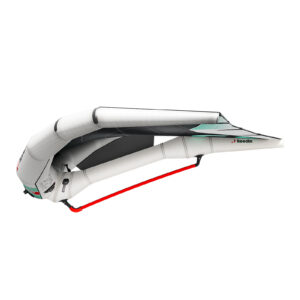
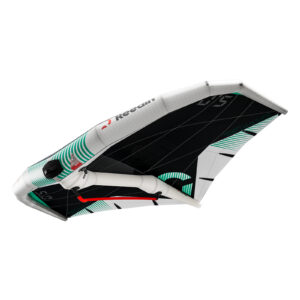
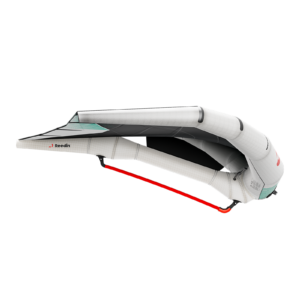

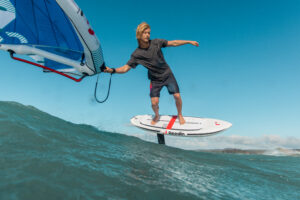
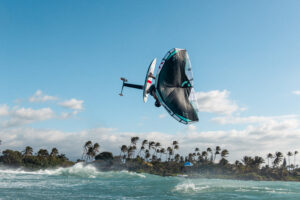
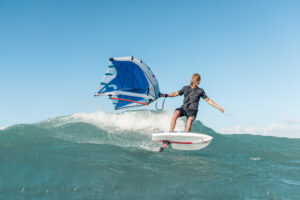

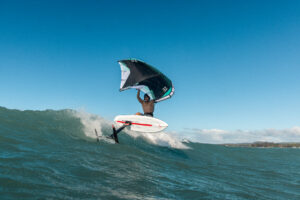




At the advanced level, wing rigidity and high-tech materials become essential. The HyperNatural models utilize lighter, stiffer fabrics that provide an instant response when pumping. This allows you to get onto the foil in marginal gusts while others are still waiting on the beach. You can explore the technical evolution of these wings in our Reedin SuperNatural review.
Progression in wing foiling is about constant experimentation. Every refined maneuver and gear adjustment brings you closer to that perfect sense of weightless freedom. Choose your next challenge, look to the horizon, and enjoy the flight.


 No products in the basket.