




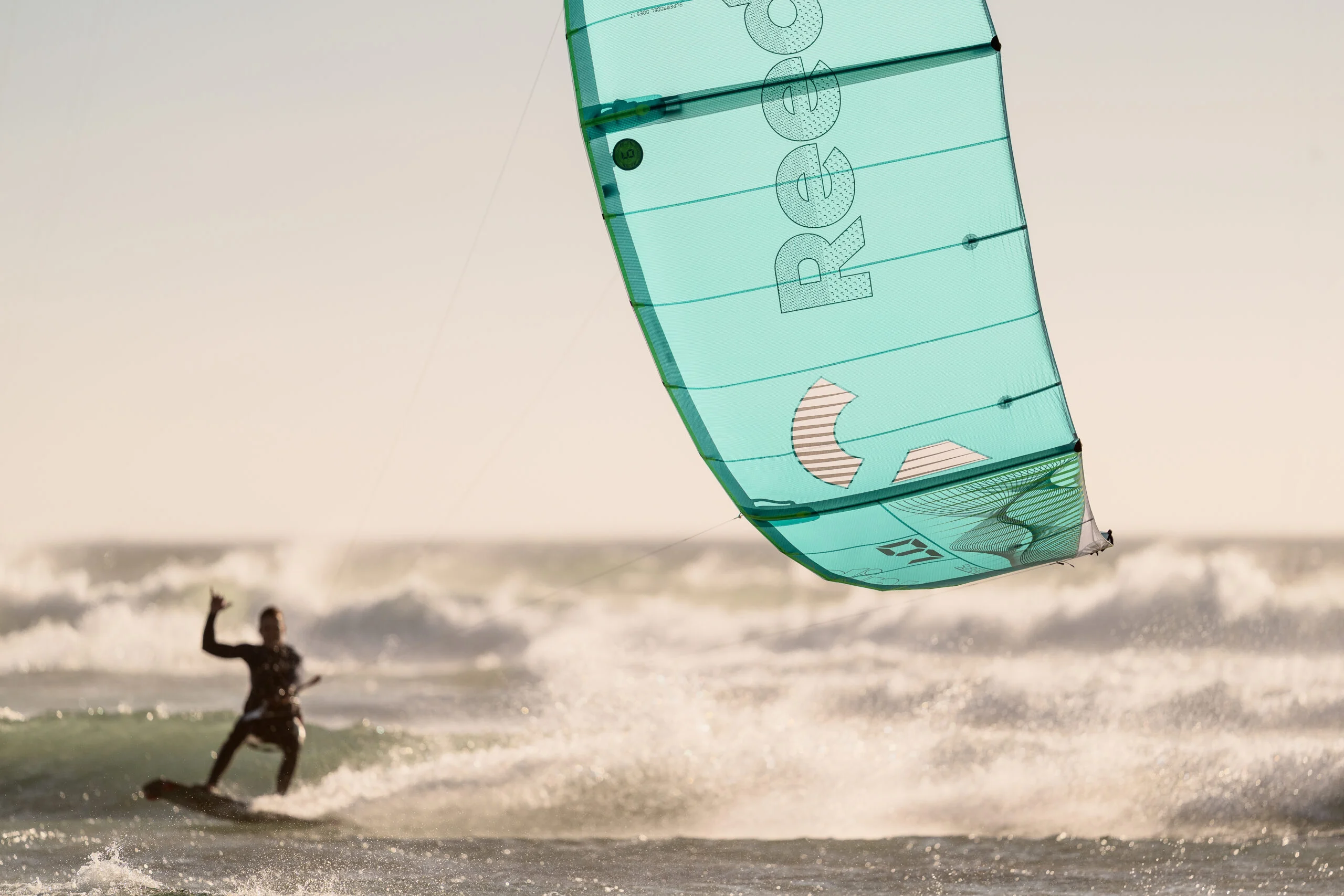
Did you know that Estonia’s heavily indented coastline makes it possible to find a workable launch spot in almost any wind direction? Choosing the right beach is crucial in kiteboarding—it is often the difference between an epic session and an exhausting, dangerous struggle against the elements.
When riding in Estonia, understanding wind direction relative to the shoreline is your most important safety consideration. The safest and most versatile setup is a side-onshore wind, which blows at an angle off the water toward the beach. If gear breaks or a kite drops, side-onshore winds naturally push you back to land—essential knowledge for anyone starting their beginner kiteboarding journey who wants to avoid drifting out into open water.
Pärnu Beach: The Ultimate Beginner Haven
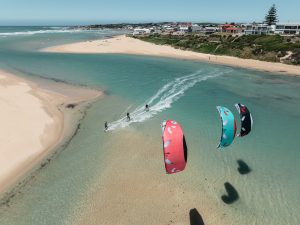
Pärnu is widely considered one of the safest and best locations to learn kiteboarding in the Baltic region. With vast stretches of waist-deep water and a smooth, rock-free sandy bottom, it provides the ideal natural classroom to master basic kite control skills and log your first successful runs without the stress of deep water.
- Best wind directions: ESE, SE, SSE, S, SSW, and SW
- Conditions: Shallow, butter-flat water; the warmest sea temperatures in Estonia during summer
- Skill level: All levels, though particularly suited for beginners due to its forgiving nature
Pärnu offers plenty of rigging space for setting up and launching safely. If you are preparing for your first independent sessions, pick forgiving, user-friendly gear with a wide wind range to keep things smooth and manageable.
-
![Lohesurfi koolitus]()
![Lohesurfi koolitus]()
![Lohesurfi koolitus]()
![Lohesurfi koolitus]()
![Lohesurfi koolitus]()
![Lohesurfi koolitus]()
![Lohesurfi koolitus]()
![Lohesurfi koolitus]()
![Lohesurfi koolitus]()
Lohesurfi koolitus
Price range: 210.00€ through 1,620.00€
Laulasmaa: A Versatile Beach Break Near Tallinn
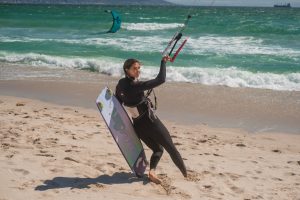
Located just a short drive from Tallinn, Laulasmaa is famous for its scenic white sand dunes and pine-backed shoreline. Locals love this spot for its versatility: depending on wind strength, you can find everything from glassy flat water to rhythmic chop.
- Best wind directions: SW, WSW, W, WNW, NW, and NNW
- Conditions: Shallow near the beach, deepening gradually to accommodate different riding styles
- Skill level: Great for beginners and advanced riders alike
During the summer season, beachgoers frequent the area, so keep a clear downwind buffer and stay well clear of swimmers. Before rigging up, always check the local forecast to ensure your chosen kite size accounts for peak gusts rather than just the average wind speed.
Urban Spots Near Tallinn: Stroomi and Kakumäe
For capital-based riders, Stroomi and Kakumäe offer unrivaled convenience for quick post-work sessions without a long drive.
- Stroomi Beach: Best in northerly and westerly winds (N, W, NW). It boasts a expansive shallow area and broad grassy lawns ideal for setting up, self-landing, and drying gear.
- Kakumäe: Shines in westerly and northwesterly winds (W, NW). Known for shallow water and gentle kickers, Kakumäe is a top spot for practicing tricks close to the city.
Because city beaches fill up quickly on warm, windy days, review standard kiteboarding safety rules and respect the right-of-way on the water. Always leave plenty of room downwind when throwing maneuvers near shore.
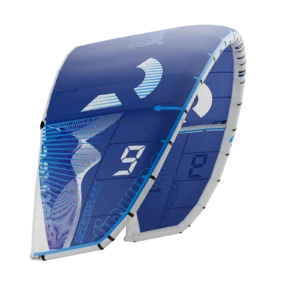
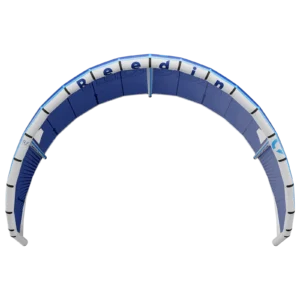
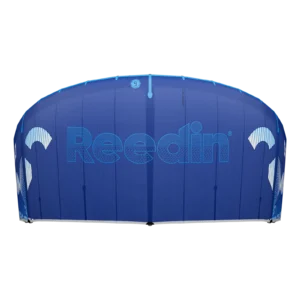
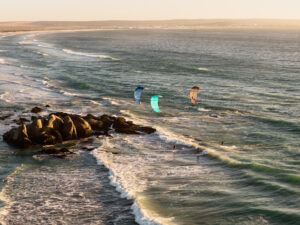
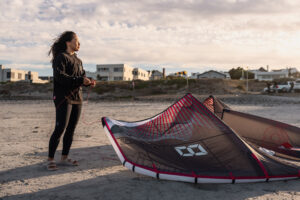
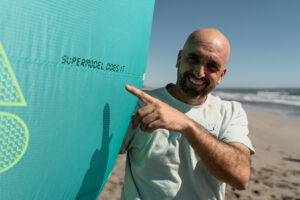
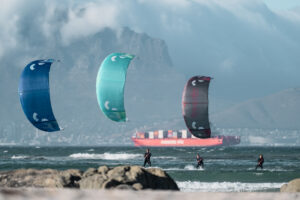
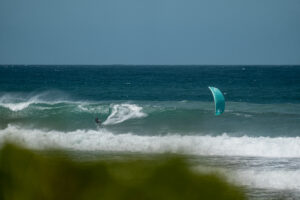
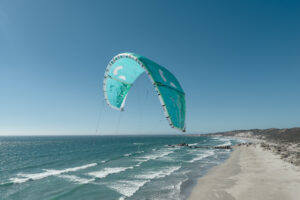
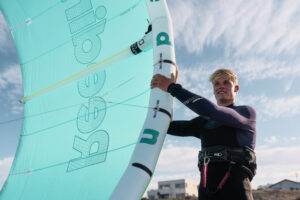
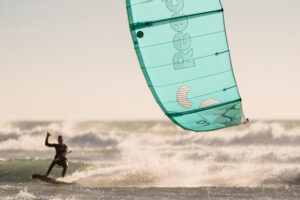
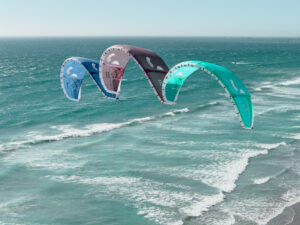
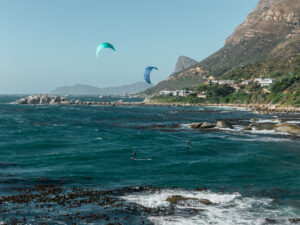
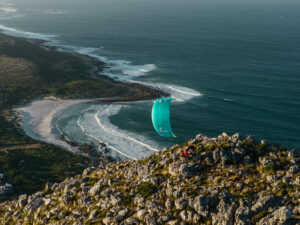
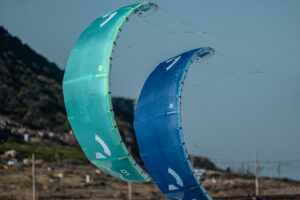
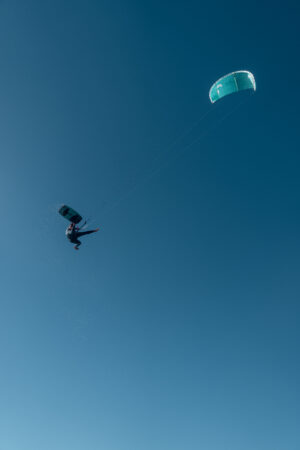
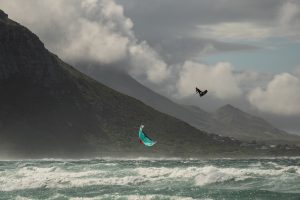
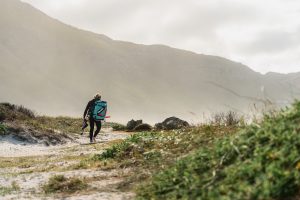
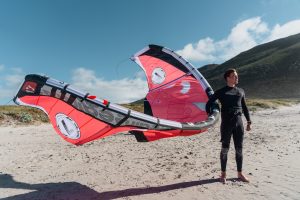
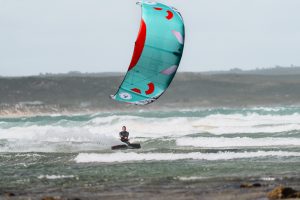
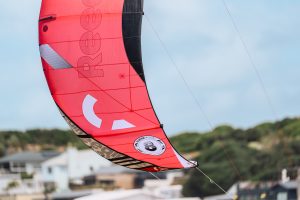
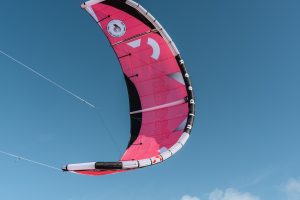
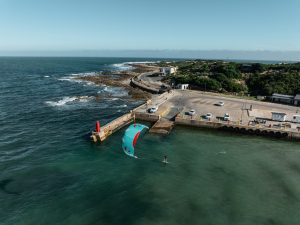
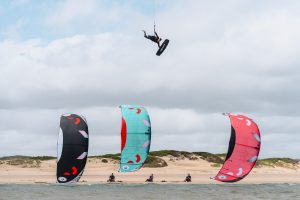
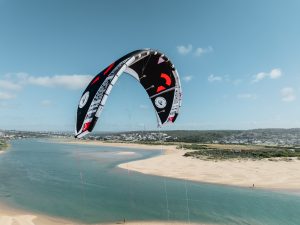
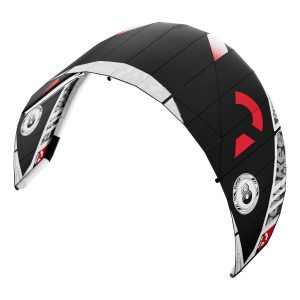
Saaremaa and Hiiumaa: Island Kite Paradises
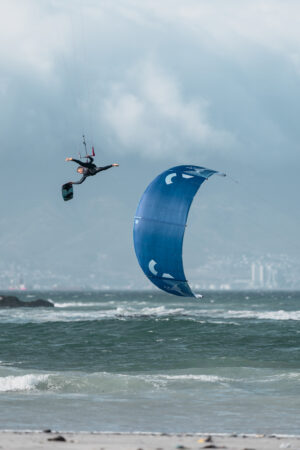
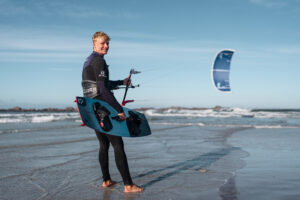
Estonia’s offshore islands offer cleaner, less turbulent wind and vast, uncrowded beaches compared to the mainland. Saaremaa’s varied orientation makes it easy to find a working launch in virtually any forecast.
- Mändjala (Saaremaa): Ideal in southerly wind angles (ESE to SW). Shallow, flat water provides an excellent arena for dialing in new freestyle tricks or running lesson blocks.
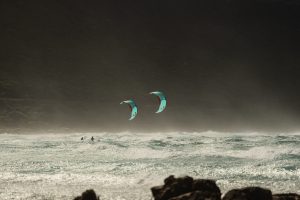
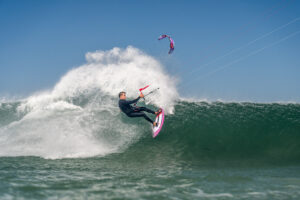
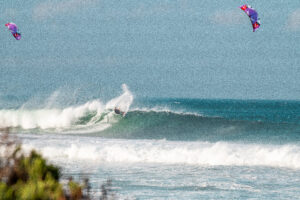
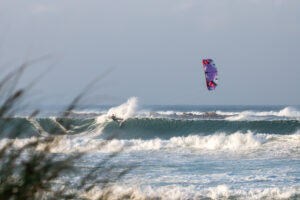
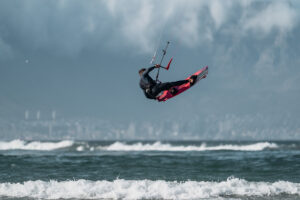
- Ristna / Surfers Paradise (Hiiumaa): Estonia’s premier wave spot. A solid southwest (SW) wind pumps in powerful groundswell for experienced wave riders, while an easterly wind turns the bay into a high-speed flat-water speed strip.
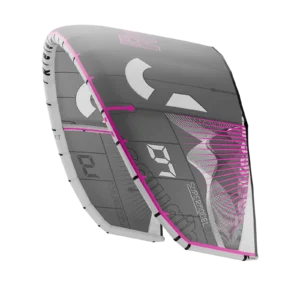
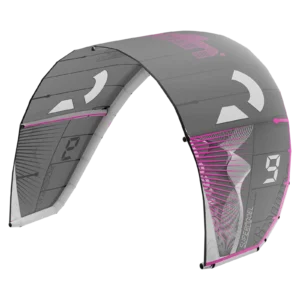
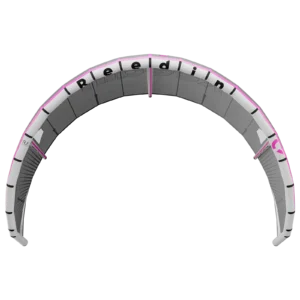
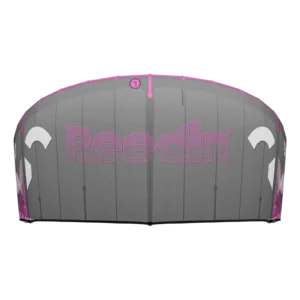
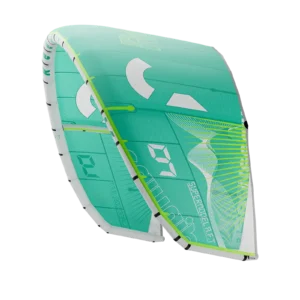
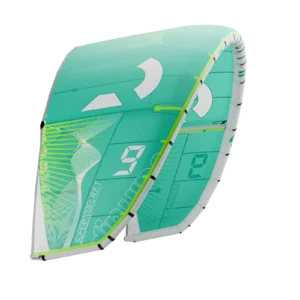
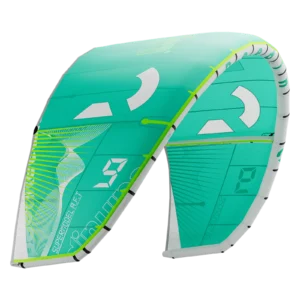
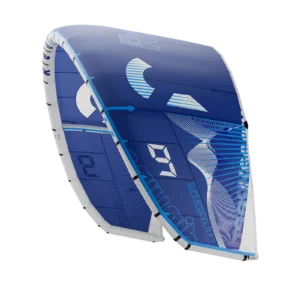
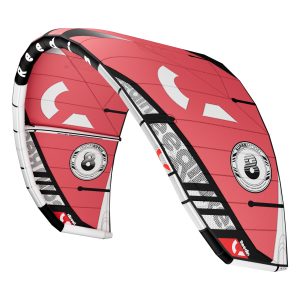
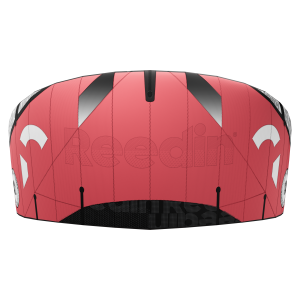
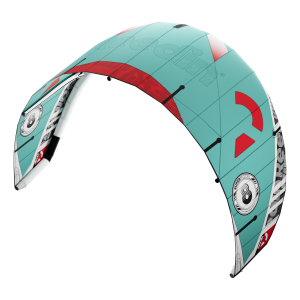
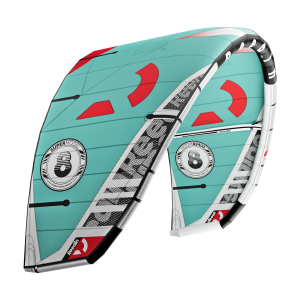
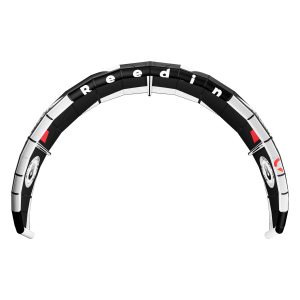
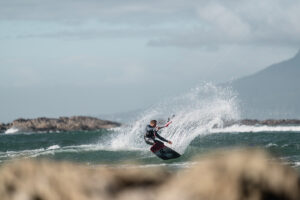
When traveling to the islands, riding gear that copes well with punchy gusts and variable wave states gives you the confidence to tackle changing conditions.
-
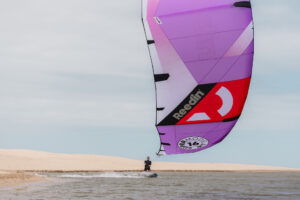
![REEDIN SUPERWAVE 2025]()
![REEDIN SUPERWAVE 2025]()
![REEDIN SUPERWAVE 2025]()
![REEDIN SUPERWAVE 2025]()
![REEDIN SUPERWAVE 2025]()
![REEDIN SUPERWAVE 2025]()
![REEDIN SUPERWAVE 2025]()
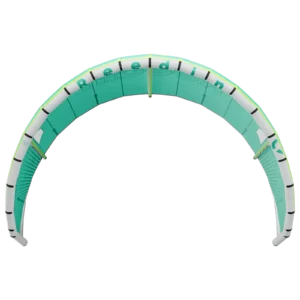
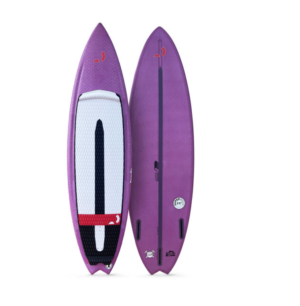
REEDIN SUPERWAVE 2025
1,249.00€
Critical Hazards: Stay Safe in Offshore Winds
No matter where you ride in Estonia, the ultimate Golden Rule applies: never ride in pure offshore wind blowing straight off the land out to sea. In the event of a snapped line, gear failure, or sudden wind drop, returning to shore without watercraft support becomes extremely difficult. Reading a detailed guide to Estonian wind conditions will help you evaluate local weather patterns and decide when to stay on land.
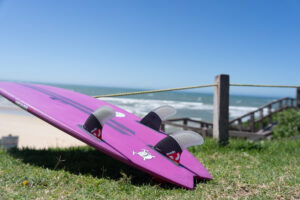
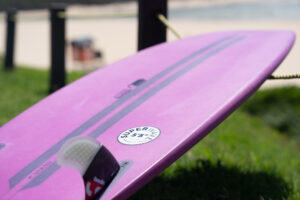
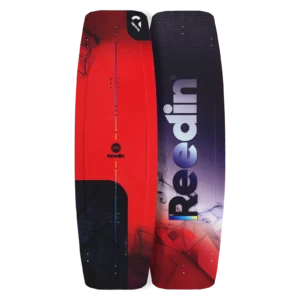
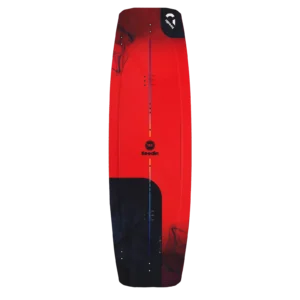
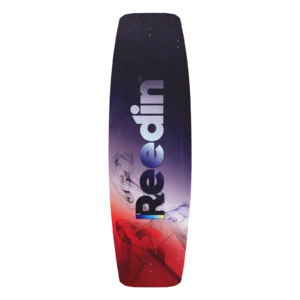
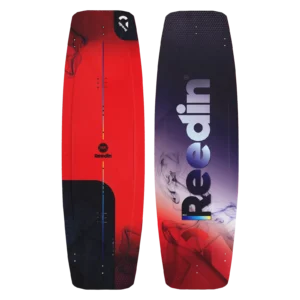
In gusty inland or coastal conditions, choosing a board with enough surface area and stability keeps you planing comfortably through unexpected wind lulls.
Tuning Your Gear for Peak Performance
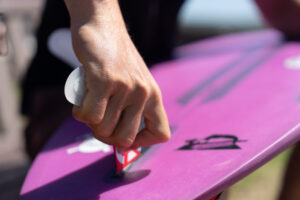
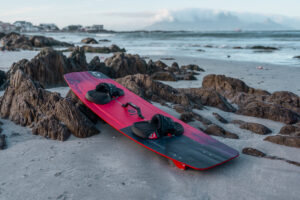
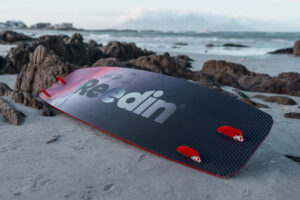
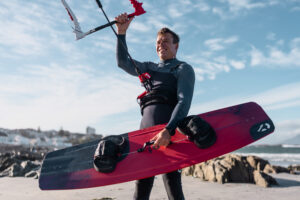
Even at a world-class spot on a pristine day, your session can fall flat if your setup isn’t properly dialed in. Everything comes down to the details: footstrap position and stance width directly affect your balance, edge control, and upwind capability.
| [How to set up your kiteboard bindings | Reedin tips – Watch the video and set up your board correctly](https://www.youtube.com/watch?v=jDlFhU_WA8A) |
From the calm, shallow flats of Pärnu to the rugged Atlantic-style swells of Hiiumaa, Estonia offers incredible riding for every style. Match the spot to your current skill level, check the latest wind forecast, and gear up accordingly. If you want to fast-track your progress, signing up for professional kiteboarding lessons is the quickest and safest way to build confidence on the water.
Explore our full kiteboarding gear collection to find the ultimate setup for your home spot and riding style.
 No products in the basket.