




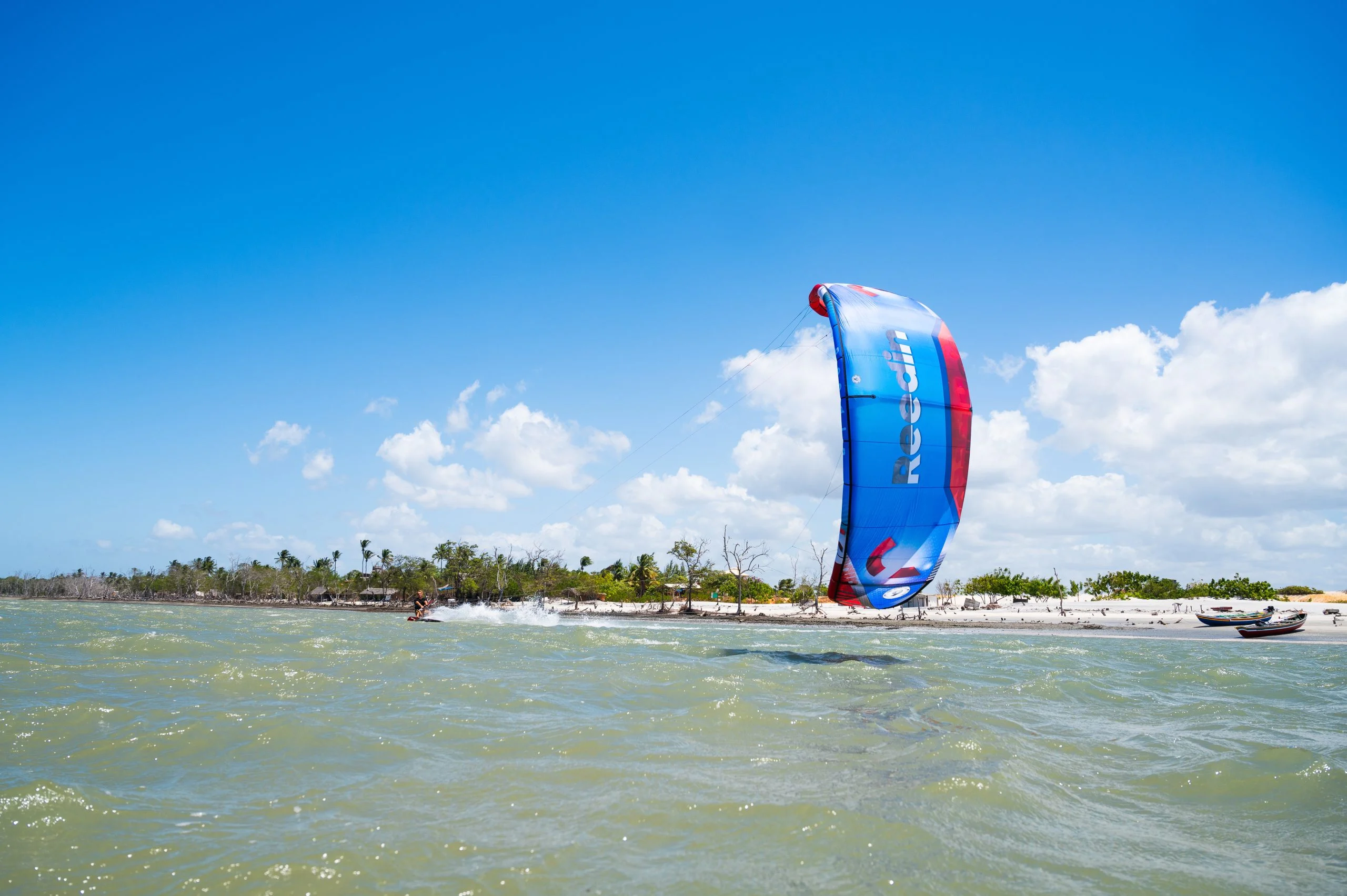
Have you ever stood on the beach wondering whether to pump up a 9m or a 12m kite? Pick the wrong size, and what should be an exhilarating session quickly turns into an exhausting battle—leaving you overpowered, under control, and struggling just to stay on line.
When selecting the right kite size, two core variables dictate your decision: your body weight and the wind speed. The basic rule of thumb is straightforward—the heavier the rider and the lighter the wind, the larger the canopy you need. However, your skill level and choice of board also play a decisive role.
Choosing Kite Size Based on Weight
Because most manufacturers baseline their gear around an average rider, understanding how your body mass alters the equation is essential. For a rider weighing between 75 and 85 kg, standard kite size recommendations across typical wind ranges look like this:
- Light wind (12–15 knots): 14–16 m² kite
- Moderate wind (16–22 knots): 10–12 m² kite
- Strong wind (23–30 knots): 7–9 m² kite
Riders under 70 kg can generally scale down 1–2 m² from standard recommendations. Conversely, kiterboarders over 90 kg need additional surface area to generate enough pull. In marginal breezes (8–12 knots), heavier riders often require a canopy as large as 17 m² to get up on plane reliably.


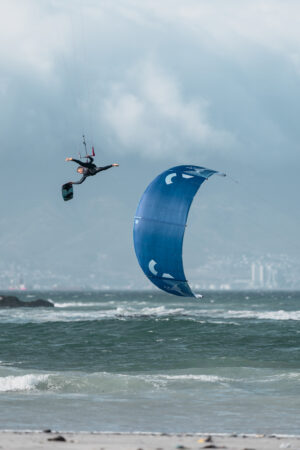
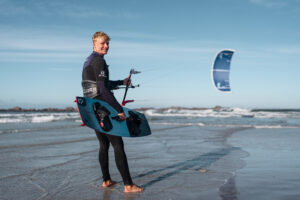



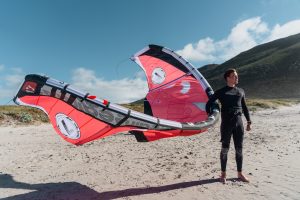
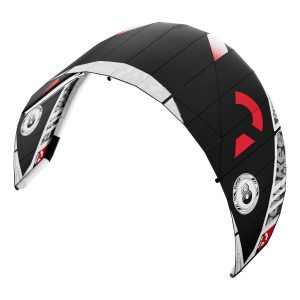
Wind Conditions and Beach Safety
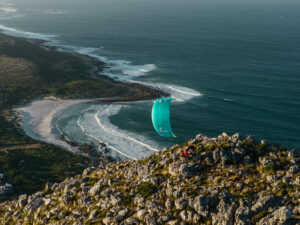
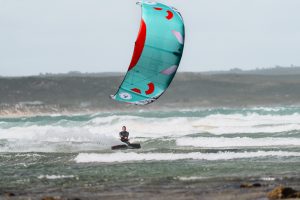
Coastal spots are notorious for variable wind conditions, where gust speeds can spike far above the baseline average. For safety, always size your kite based on the strongest expected gusts rather than the average wind reading. If you are ever torn between two sizes, stick to the golden rule: go with the smaller, safer option.
For beginners, steady winds between 12 and 18 knots offer the ideal environment to hone your skills. Once conditions push past 25 knots, the margin for error shrinks drastically as the kite becomes far more aggressive. Riding in heavy air requires precise kite control and sharp reflexes, so hold off on high-wind sessions until you have logged plenty of hours on the water.
The Impact of Technology: SuperModel and HTF Construction
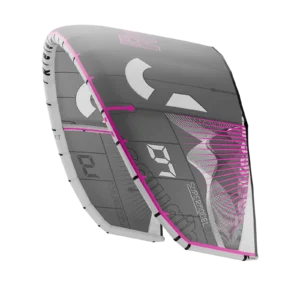
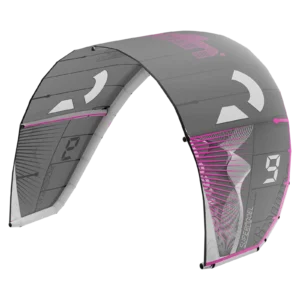
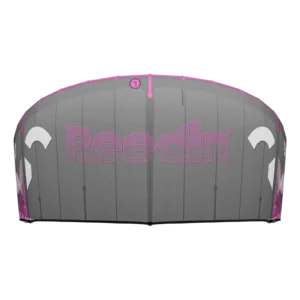
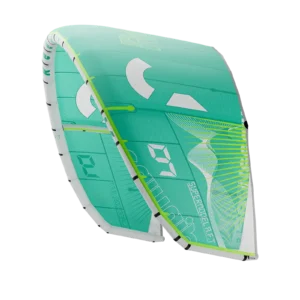
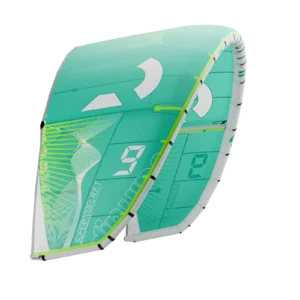
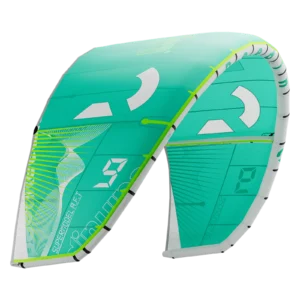
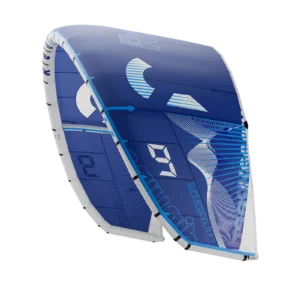
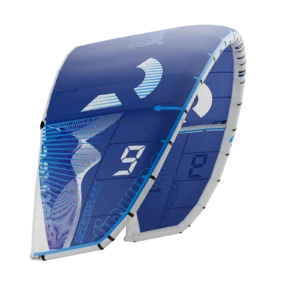
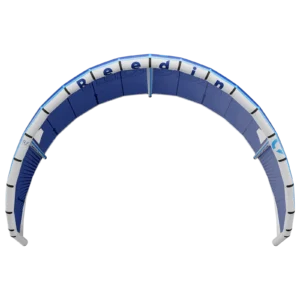
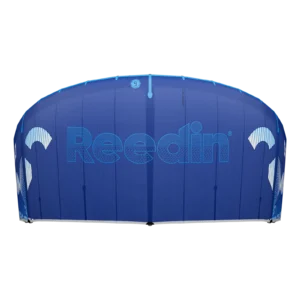
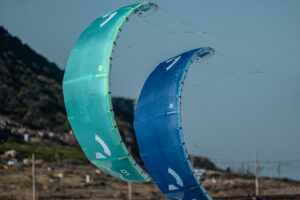
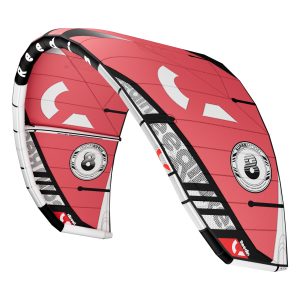
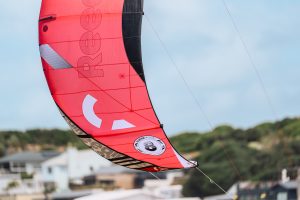
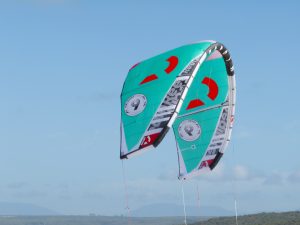
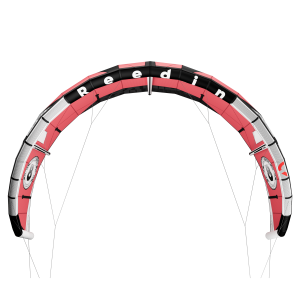
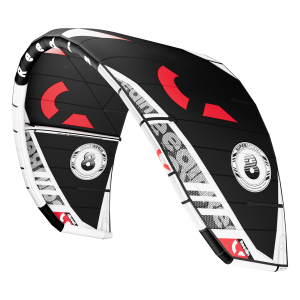
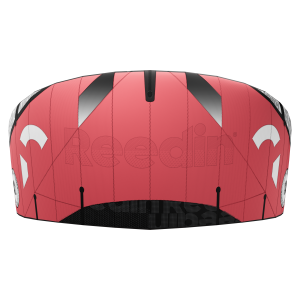
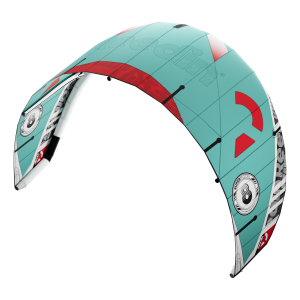
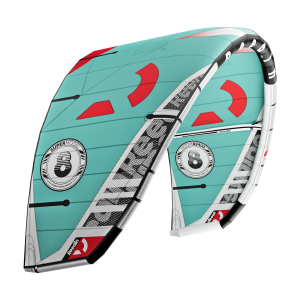
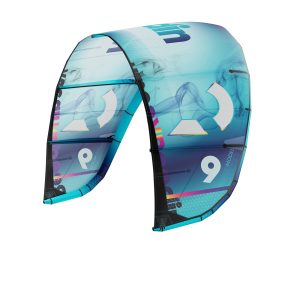
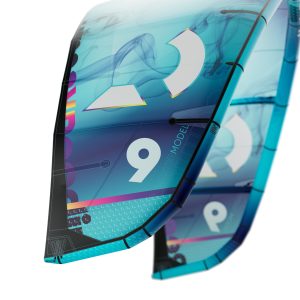
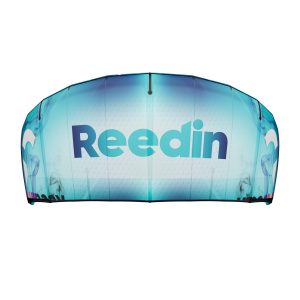
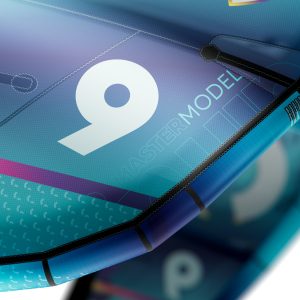
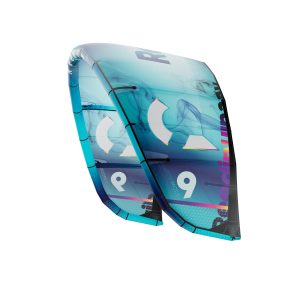
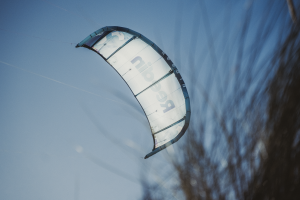
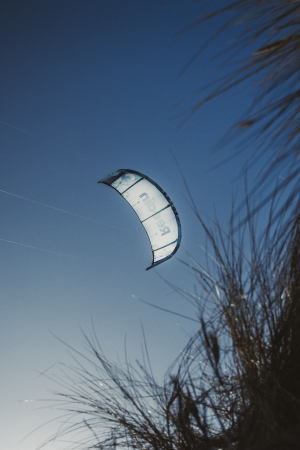
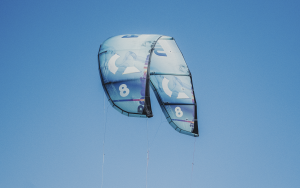
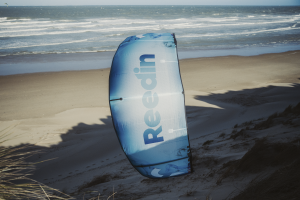
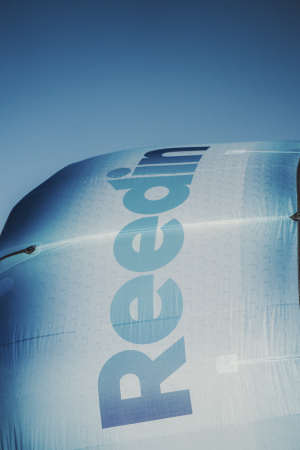
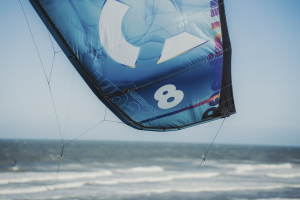
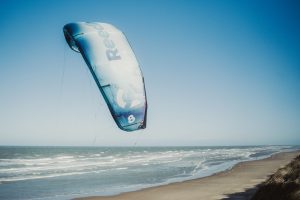
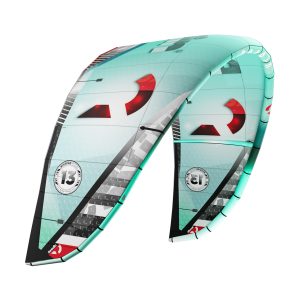
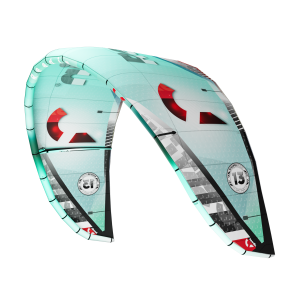
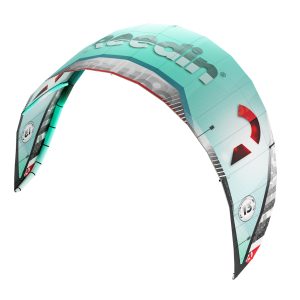
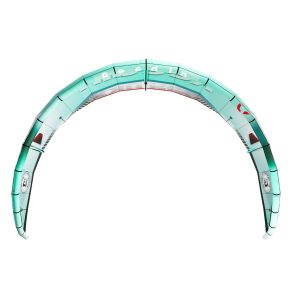
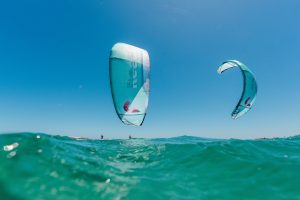
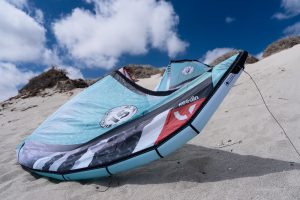
Advances in modern design have transformed how big kites handle, drastically reducing inertia so large canopies fly almost as nimbly as smaller models. In the Reedin SuperModel HTF2 series, sizes 12 m² and up feature wider wingtips designed to sharpen steering response and smooth out turns—a massive advantage in light-wind conditions.
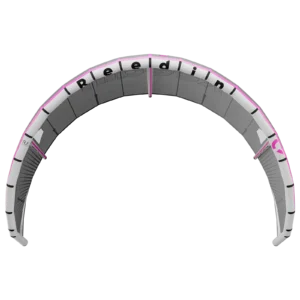
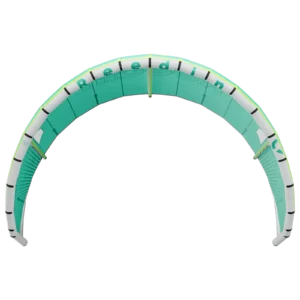
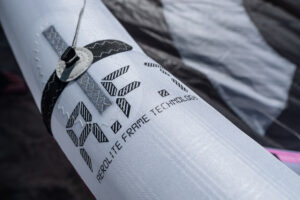
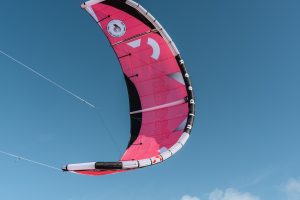
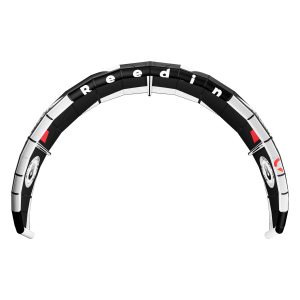
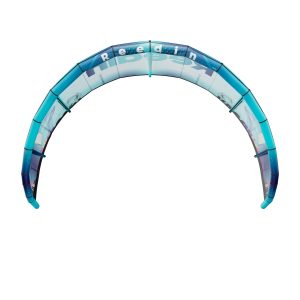
For ultra-light breezes, the HTF LW models (14m and 16m) incorporate a Hybrid Torsion Frame construction. This weight-saving architecture allows the kite to sit stably overhead even when the wind drops out, ensuring a large canopy never feels heavy or sluggish at the bar.




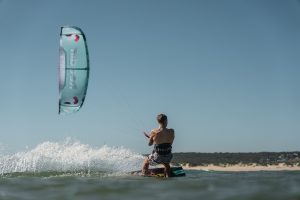

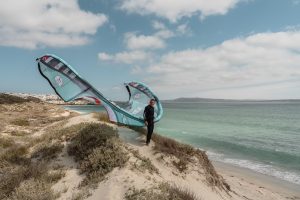

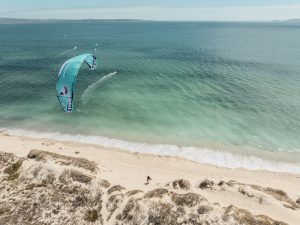
How Your Board Affects Kite Size Selection
Your board choice—whether a twintip board or a directional surfboard—directly impacts the size of the kite you should fly. A board with a larger surface area generates more lift, allowing you to downsize to a smaller, more agile kite.
- Hydrofoil boards: Foils create minimal drag and generate substantial apparent wind once moving, allowing hydrofoilers to fly kites 2–3 m² smaller than twintip riders in the same conditions.
- Larger twintip boards: Extra surface area helps riders plane earlier, giving heavier kiters a huge advantage in light or inconsistent wind.
- Surfboards: Wave riders generally prefer faster-turning, slightly smaller kites to maximize maneuverability and stay aligned with the wave face.
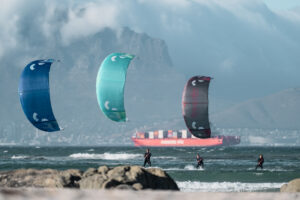
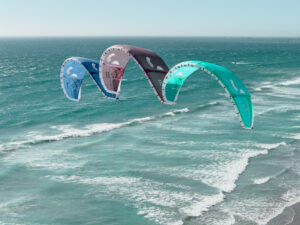
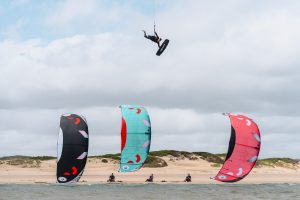
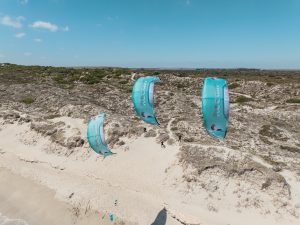
Most kitesurfers build out a multi-kite setup—a quiver—spaced in 2–3 m² increments (such as a 7m, 9m, and 12m lineup). Spacing your sizes this way ensures complete coverage for changing conditions without unnecessary gear overlap.
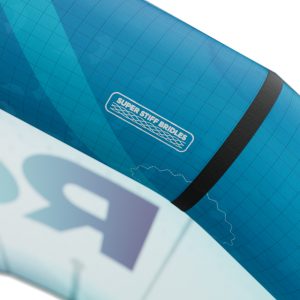
SUPERMODEL HTF 2024 – Reedin Collection 5 – see how the new Hybrid Torsion Frame and 12-point bridle system improve kite responsiveness.
Selecting the right kite size ultimately comes down to balancing your weight, riding experience, and real-time beach conditions. Before rigging up, always review core kitesurfing safety rules and choose gear that gives you complete confidence on the water. Looking to build out your setup or need tailored advice on specific gear? Explore our full range of kites or reach out to our team for expert recommendations.
 No products in the basket.