




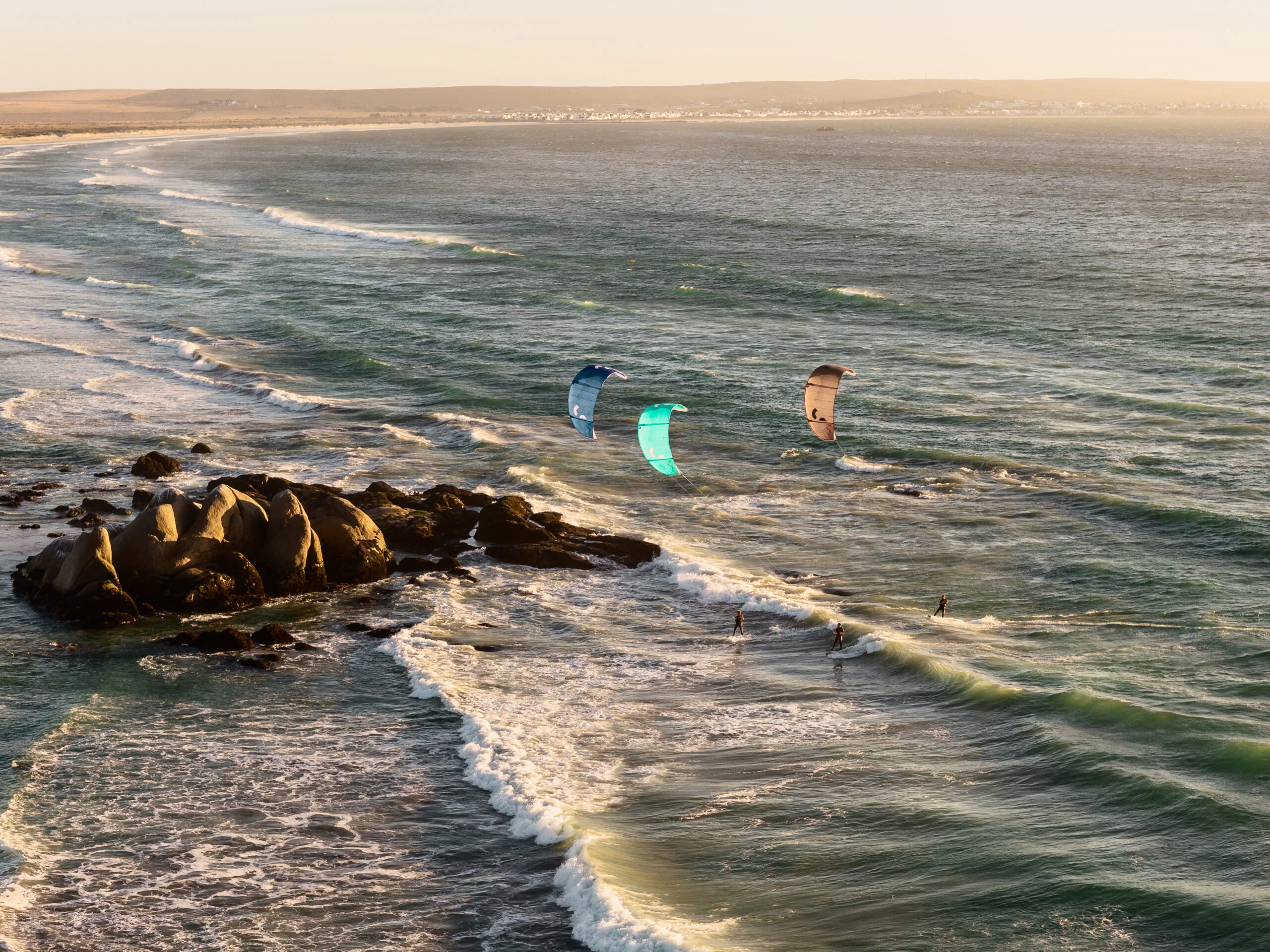
Have you ever had to call a kitesurfing session early because the cold finally won? Choosing between a wetsuit and a drysuit is the difference between making the absolute most of Estonia’s autumn storms and shivering on the beach, waiting for summer warmth.
Dialing in your gear is essential when riding in Estonia, where water temperatures fluctuate wildly throughout the year. While mid-summer conditions can top 20°C, spring and autumn sessions mean riding in 5–10°C water. Your comfort and safety depend directly on maintaining your core body temperature and ensuring your gear protects you during hard crashes far from shore.
Wetsuits – The Kitesurfer’s Top Choice
Wetsuits are crafted from neoprene and rely on trapping a micro-layer of water against your skin. Your body heat warms this water, creating a natural insulating barrier. Wetsuits remain the go-to choice for most Estonian kiters thanks to their flexible, contoured fit—vital for dynamic riding and uninhibited trick execution.
Key benefits of a wetsuit:
- Freedom of movement: Flexible neoprene offers superior stretch and low drag, which is crucial when riding twin tip boards for aggressive riding and big-air boosts.
- Inherent buoyancy: Closed-cell neoprene traps tiny air bubbles, giving you natural floatation in the water.
- Durability: High-quality suits hold up exceptionally well against constant friction from harnesses and control bars.
On warmer summer days, lightweight rashguards are essential to prevent harness chafing and provide vital UV protection during marathon sessions.
Drysuits – Maximum Protection in Frigid Conditions
Engineered for extreme environments, drysuits seal you off completely from the water. Unlike wetsuits, a drysuit provides no thermal insulation on its own; it functions solely as a waterproof shell. Thermal protection comes from what you wear underneath, whether that’s technical thermal base layers or fleece.
A drysuit is the ideal choice for early spring or late autumn sessions when water temperatures plunge below 8°C. Staying completely dry—even after violent wipeouts—significantly lowers the risk of hypothermia. However, drysuits are bulkier than wetsuits, and underlayers add weight and wind resistance. This extra drag can influence your kite size selection, as heavier gear may require slightly more kite power or a tweaked riding style.
Temperature Guide: Choosing the Right Thickness
Kitesurfing in Estonia requires keeping a close eye on both local wind conditions and water temperatures to avoid rapid heat loss. Here is a practical seasonal guide to help you choose the right setup:
- July and August (19–21°C): A 3/2 mm wetsuit or a lightweight rashguard is usually plenty.
- June and September (13–16°C): A 4/3 mm wetsuit strikes the best balance between warmth and flexibility.
- May and October (8–12°C): A 5/4 mm hooded wetsuit or a drysuit. Neoprene boots and gloves become essential in this range.
- Winter months (below 8°C): A 6/5 mm wetsuit or a drysuit paired with 7 mm boots and gloves.
Layering a modern thermal base layer under your wetsuit is a smart, cost-effective upgrade to extend your season when temperatures plummet.
-
![REEDIN TOASTIES 2025-2026]()
![REEDIN TOASTIES 2025-2026]()
![REEDIN TOASTIES 2025-2026]()
![REEDIN TOASTIES 2025-2026]()
![REEDIN TOASTIES 2025-2026]()
![REEDIN TOASTIES 2025-2026]()
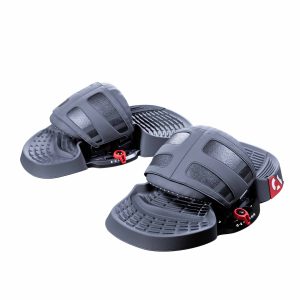
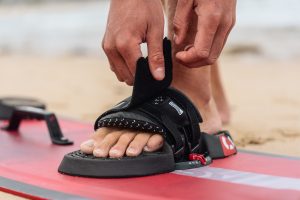
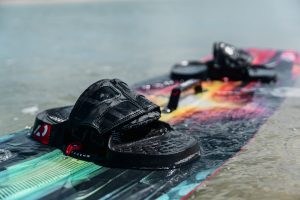
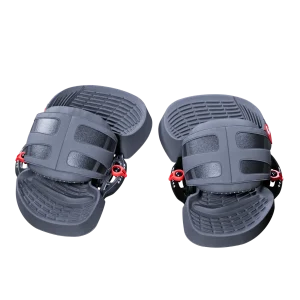
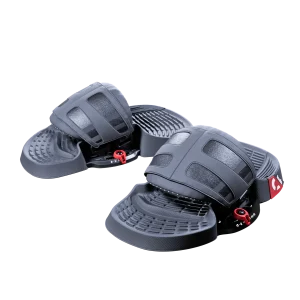
REEDIN TOASTIES 2025-2026
229.00€
Comfort and Safety on the Estonian Coast
Choosing between a wetsuit and a drysuit often comes down to personal preference, but safety should always come first. A thick winter wetsuit adds 3–5 kg when soaked and slightly restricts movement, but from a kitesurfing safety perspective, it offers dependable flotation and thermal protection even if the neoprene gets torn. For drysuits, seal and zipper integrity is critical—if a drysuit floods, swimming and self-rescue become significantly more challenging.
Post-session, drysuits offer unmatched convenience: peel off the outer shell and walk away completely dry. With a wetsuit, you’ll need to brace yourself for a cold changing process on the beach. Whatever you choose, routine gear maintenance and repair is key to maximizing the life of your zippers, seals, and neoprene.
Watch Kevin Langeree test gear in demanding conditions and explain why staying warm is key to keeping total control over your kite:
Reedin MasterModel With Kevin Langeree – see how top gear performs
If you’re looking to stretch your season and gear up for Estonia’s unpredictable conditions, check out our selection of accessories and apparel. Investing in the right gear means riding the best winds year-round without letting the cold stop you.
Browse our online shop and pick out gear built to handle whatever the forecast throws at you!
 No products in the basket.