




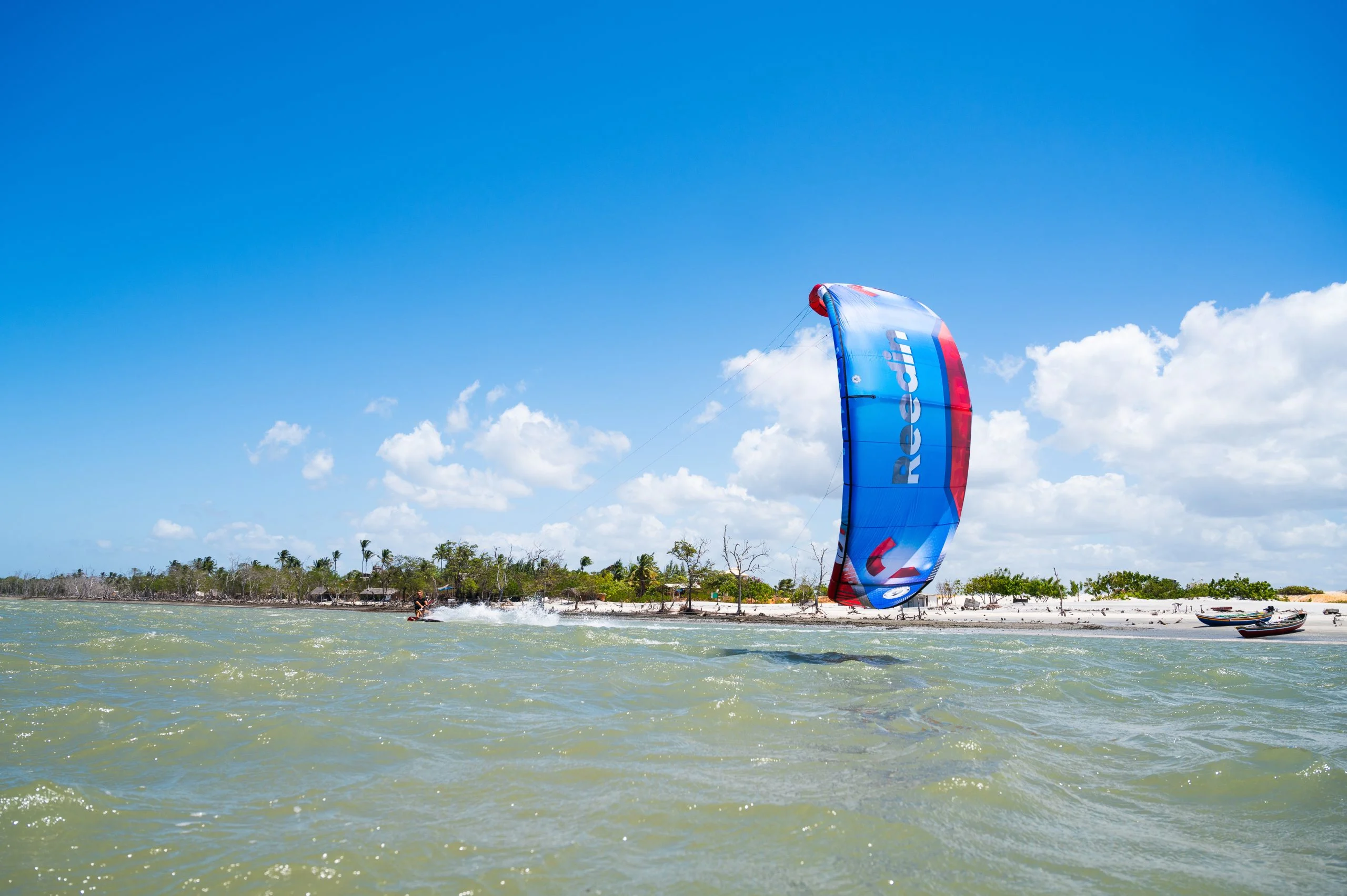
Are you ready to take your first steps into the world of kitesurfing? While the sport looks like effortless gliding across the water, mastering the wind requires more than just enthusiasm. To ensure that muscle cramps or fatigue don’t cut your session short, you need to prepare your body for the unique demands of the sport. Kitesurfing is a dynamic discipline that rewards a strong core and high-level endurance, allowing you to manage the kite’s power safely and effectively.
Why Physical Conditioning is Critical for Beginners
Kitesurfing is an intensive, full-body workout. Even at the beginner level, you’ll expend a significant amount of energy simply maintaining balance and keeping the kite positioned correctly. Industry data suggests that nearly 91% of on-water accidents stem from a loss of kite control, with physical exhaustion acting as a primary catalyst. When you’re fatigued, your reaction times slow down, and your ability to make split-second decisions diminishes.
By arriving at your lessons physically prepared, you can spend more time focusing on kite control techniques and less time struggling with exhaustion. Better fitness translates to a faster learning curve, meaning less time drifting in the water and more time actually riding.
Essential Exercises for Kitesurfers
Kitesurfing doesn’t require bodybuilder-level muscle mass. Instead, it demands functional strength, flexibility, and stability. Professional riders recommend a training regimen that prioritizes endurance and injury prevention.
Core Stability
Your core is the bridge between the kite’s pull and your board. Because the harness concentrates the kite’s force around your midsection, your abdominal and back muscles must be exceptionally stable.
- The Plank: This is the gold standard for strengthening deep stabilizer muscles and improving overall balance.
- Russian Twists: These prepare your body for the rotations and dynamic maneuvers required to navigate waves and turns.
Legs as Shock Absorbers
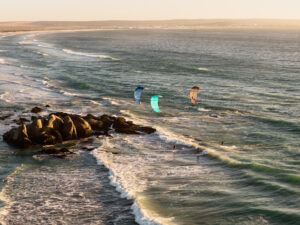
Coastal conditions often mean gusty winds and “choppy” water. Your legs act as the board’s suspension system, absorbing impacts while maintaining the necessary edge in the water.
- Squats and Lunges: These build the foundational strength needed to hold a stable riding posture for extended periods.
- Bulgarian Split Squats: A fantastic exercise for improving the unilateral balance vital for learning water starts.
Upper Body Endurance
While you should never “muscle” the control bar with sheer force, your shoulders and back need the stamina to maintain a steady position for hours.
- TRX Rows or Pull-ups: These strengthen the posterior chain and help you maintain proper posture under tension.
- Shoulder Press: Building shoulder stability helps prevent common injuries during unexpected power surges from the kite.
-
![Lohesurfi koolitus]()
![Lohesurfi koolitus]()
![Lohesurfi koolitus]()
![Lohesurfi koolitus]()
![Lohesurfi koolitus]()
![Lohesurfi koolitus]()
![Lohesurfi koolitus]()
![Lohesurfi koolitus]()
![Lohesurfi koolitus]()
Lohesurfi koolitus
Price range: 210.00€ through 1,620.00€
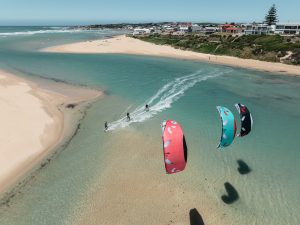
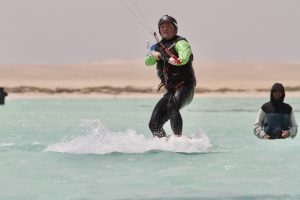
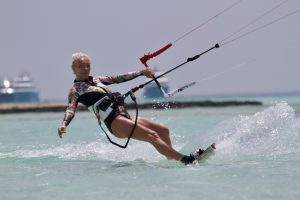
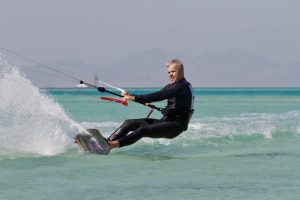
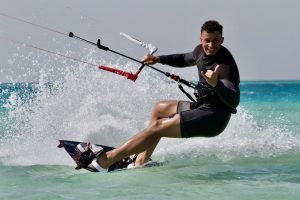
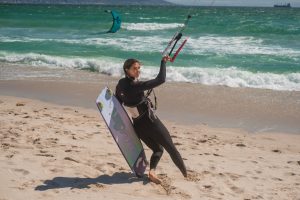
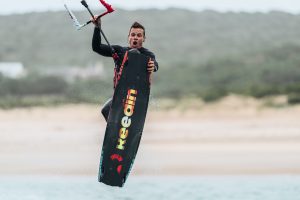
Developing Balance and Reaction Speed
Kitesurfing takes place in a fluid environment where you must react instantly to every gust and swell. Exercises like skater jumps or training on a balance board develop proprioception—your body’s innate awareness of its position in space.
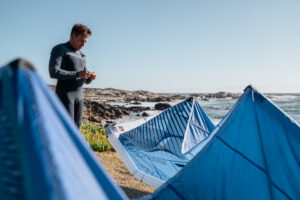
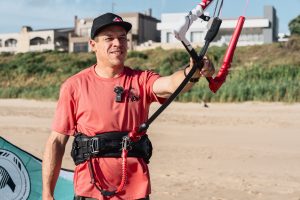
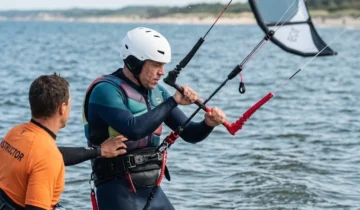
For beginners, practicing with a trainer kite on land is highly recommended. It’s a safe, low-impact way to learn the mechanics of the wind window and power zone without the added challenge of staying afloat. This builds the muscle memory needed to make the transition to full-sized gear significantly smoother.
The Impact of Gear on Physical Strain
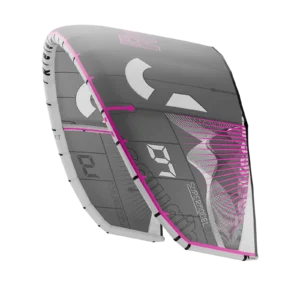
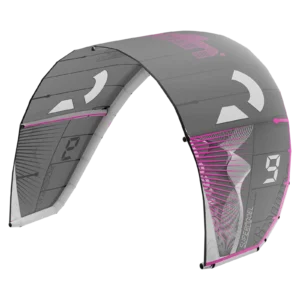
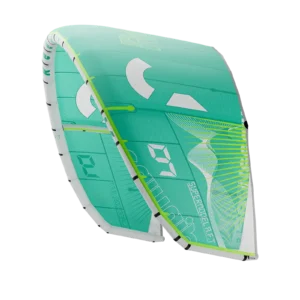
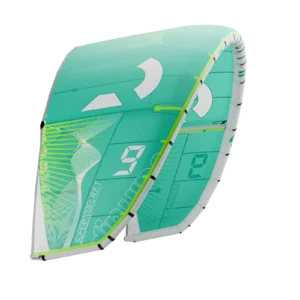
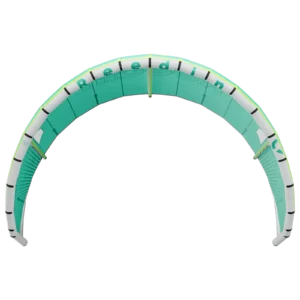
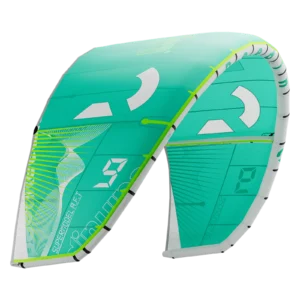
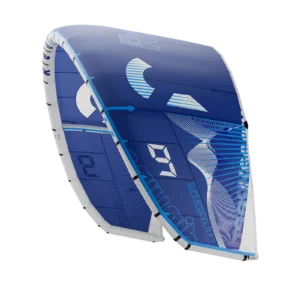
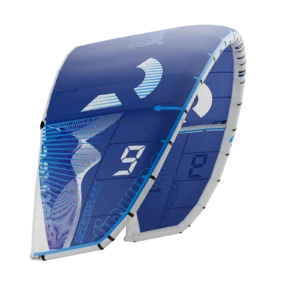
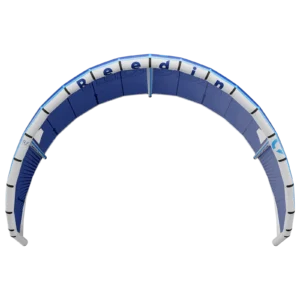
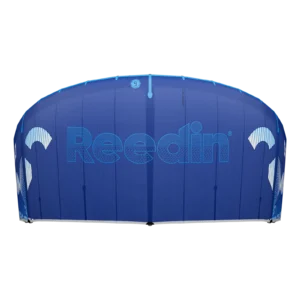
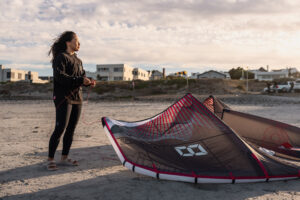
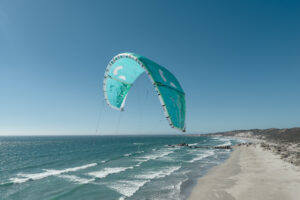
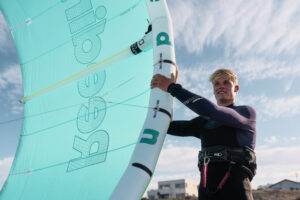
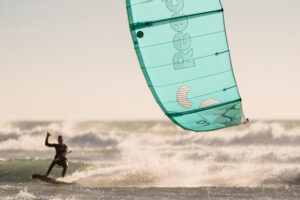
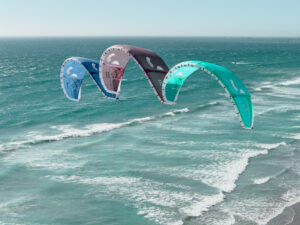
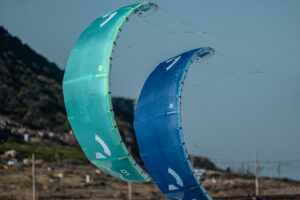
The amount of physical strain you experience also depends on your equipment. Using gear that is properly matched to your weight and the local conditions is essential. Modern, intuitive kites—like the Reedin Supermodel—are designed for smooth, predictable handling, which reduces the need for raw muscle power. Furthermore, selecting the correct kite size for the current wind speed ensures you are working with the wind rather than fighting against it.
-
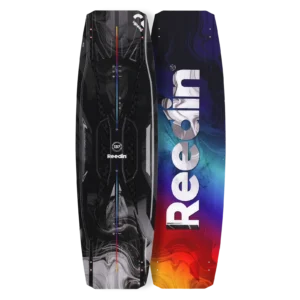
![REEDIN SPACE AGENCY 2026]()
![REEDIN SPACE AGENCY 2026]()
![REEDIN SPACE AGENCY 2026]()
![REEDIN SPACE AGENCY 2026]()
![REEDIN SPACE AGENCY 2026]()
![REEDIN SPACE AGENCY 2026]()
![REEDIN SPACE AGENCY 2026]()
![REEDIN SPACE AGENCY 2026]()
![REEDIN SPACE AGENCY 2026]()
![REEDIN SPACE AGENCY 2026]()
![REEDIN SPACE AGENCY 2026]()
![REEDIN SPACE AGENCY 2026]()
![REEDIN SPACE AGENCY 2026]()
![REEDIN SPACE AGENCY 2026]()
REEDIN SPACE AGENCY 2026
1,079.00€ -
![REEDIN DREAMSTICK X 2026]()
![REEDIN DREAMSTICK X 2026]()
![REEDIN DREAMSTICK X 2026]()
![REEDIN DREAMSTICK X 2026]()
![REEDIN DREAMSTICK X 2026]()
![REEDIN DREAMSTICK X 2026]()
![REEDIN DREAMSTICK X 2026]()
![REEDIN DREAMSTICK X 2026]()
![REEDIN DREAMSTICK X 2026]()
![REEDIN DREAMSTICK X 2026]()
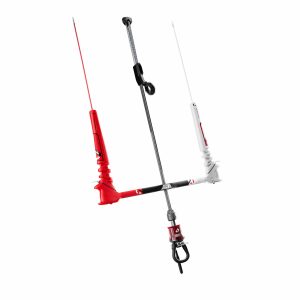
REEDIN DREAMSTICK X 2026
639.00€ -
![REEDIN BIG E 2026]()
![REEDIN BIG E 2026]()
![REEDIN BIG E 2026]()
![REEDIN BIG E 2026]()
![REEDIN BIG E 2026]()
![REEDIN BIG E 2026]()
![REEDIN BIG E 2026]()
![REEDIN BIG E 2026]()
![REEDIN BIG E 2026]()
![REEDIN BIG E 2026]()
![REEDIN BIG E 2026]()
![REEDIN BIG E 2026]()
![REEDIN BIG E 2026]()
![REEDIN BIG E 2026]()
![REEDIN BIG E 2026]()
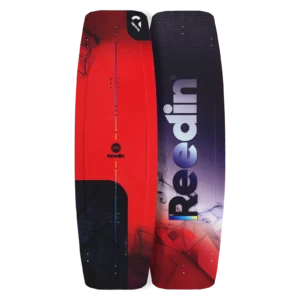
REEDIN BIG E 2026
699.00€ -
![REEDIN SUPER E 2026]()
![REEDIN SUPER E 2026]()
![REEDIN SUPER E 2026]()
![REEDIN SUPER E 2026]()
![REEDIN SUPER E 2026]()
![REEDIN SUPER E 2026]()
![REEDIN SUPER E 2026]()
![REEDIN SUPER E 2026]()
![REEDIN SUPER E 2026]()
![REEDIN SUPER E 2026]()
![REEDIN SUPER E 2026]()
![REEDIN SUPER E 2026]()
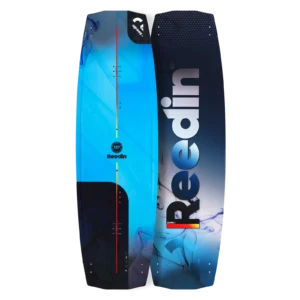
REEDIN SUPER E 2026
699.00€


Practical Tips for a Successful Start
Physical fitness is just one piece of the puzzle. To make your journey from the beach to the water as seamless as possible, keep these tips in mind:
- Work with a Professional: A certified instructor will teach you efficient techniques that conserve energy and prevent the “fatigue of frustration” caused by poor form. Learn more about choosing the right kitesurfing instructor.
- Master Safety Protocols: Confidence comes from knowing how your safety systems work. Understanding kitesurfing safety is the absolute foundation of the sport.
- Respect the Weather: In regions like Estonia, understanding the nuances of gusty conditions and offshore winds is vital. Always consult a guide to local wind conditions before setting up your gear.
HOW TO KITESURF – Beginner Lessons on land – Reedin Kites
Watch this video to master the basics of kite flying before your first lesson.
The most effective way to start your kitesurfing journey is to pair regular physical activity with professional instruction. Good fitness provides the confidence you need for those first successful runs and long, rewarding days on the water. If you’re ready to catch the wind, find a training program and start your preparation today.
 No products in the basket.