




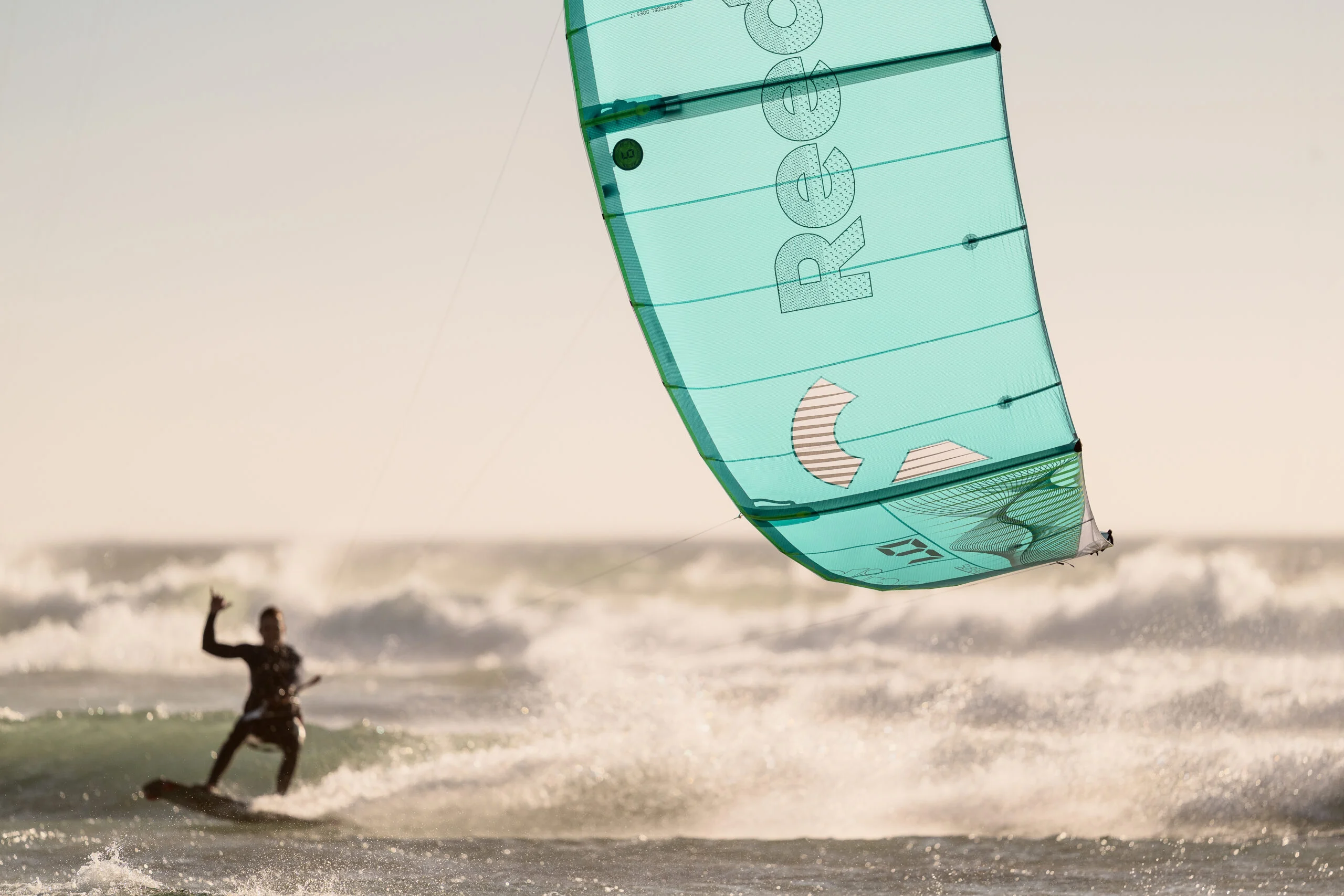
Did you know that nearly 91% of kiteboarding accidents are attributed to a lack of kite control? Your journey into the sport starts with a smart approach—choosing professional instruction and selecting forgiving equipment that allows you to focus on progression rather than fighting your gear.
Safety First: The Importance of Professional Training
Kiteboarding is a high-octane extreme sport where safety isn’t just a precaution; it’s the foundation of every session. The most common pitfall for novices is attempting to teach themselves without understanding the fundamentals. Professional kiteboarding lessons are essential, as they provide a controlled environment to master equipment handling and the industry-standard three-stage safety system. Furthermore, choosing the right kiteboarding instructor ensures you develop proper muscle memory and learn to anticipate potential hazards before they escalate.
Before you venture out on your own, you must be proficient in self-rescue techniques—the “Plan B” every rider needs if the wind dies or equipment fails. Understanding the rules of the road, including right-of-way protocols and maintaining a “safety buffer,” is equally vital. As a rule of thumb, always maintain a clear zone of at least two line lengths (roughly 50–60 meters) between yourself and other water users.
-
![Lohesurfi koolitus]()
![Lohesurfi koolitus]()
![Lohesurfi koolitus]()
![Lohesurfi koolitus]()
![Lohesurfi koolitus]()
![Lohesurfi koolitus]()
![Lohesurfi koolitus]()
![Lohesurfi koolitus]()
![Lohesurfi koolitus]()
Lohesurfi koolitus
Price range: 210.00€ through 1,620.00€
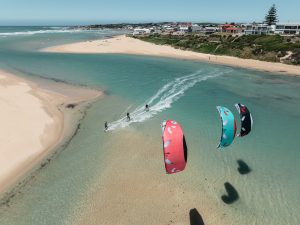
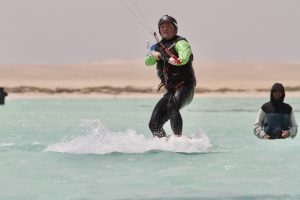
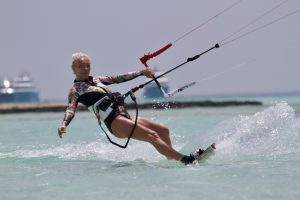
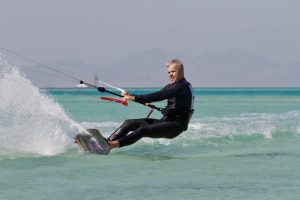
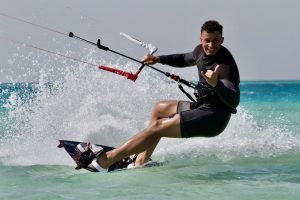
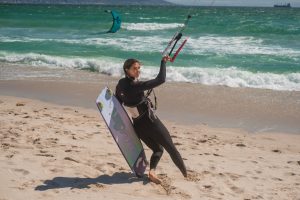
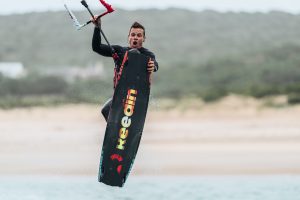
Choosing Your First Set of Gear
For those just starting out, the goal is to find equipment that is stable, easy to relaunch, and offers a wide wind range. Your choice of gear will be dictated by your body weight and your local wind conditions. For instance, a rider in the 75–85 kg range typically requires a “quiver” of two or three kites to safely handle the variable winds common in the Baltic region. Before making a purchase, it is highly recommended to consult a comprehensive beginner’s guide to help plan your investment.
The All-Around Kite and Control Bar
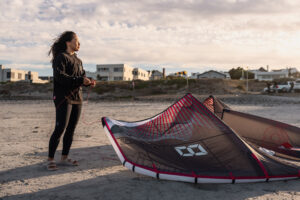
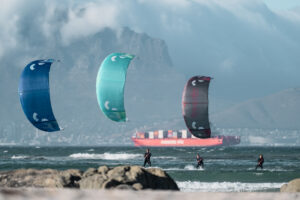
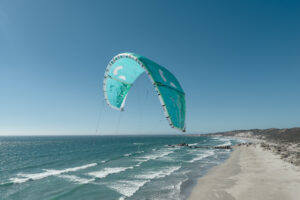
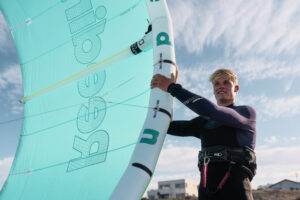
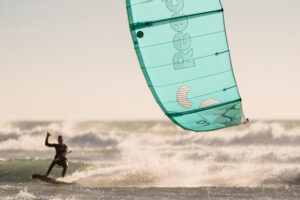
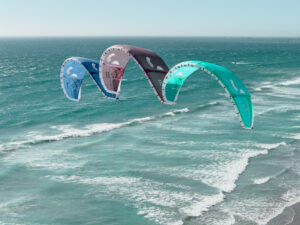
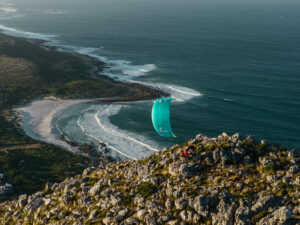
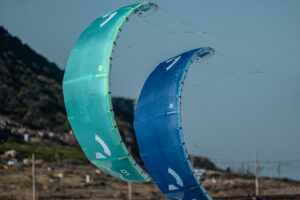
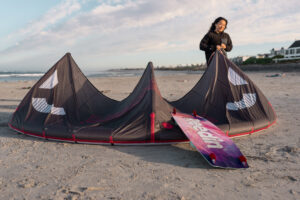
An “all-around” or “freeride” kite is the gold standard for beginners and intermediates because it excels across various conditions. Finding the correct kite size is a balancing act: a kite that is too large can be difficult to manage, while one that is too small won’t provide the lift needed to get on the plane. Look for kites known for stability and an effortless “water relaunch.”
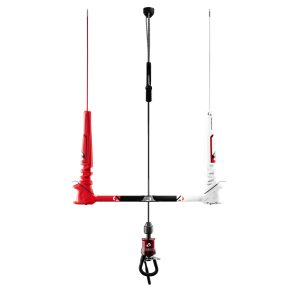
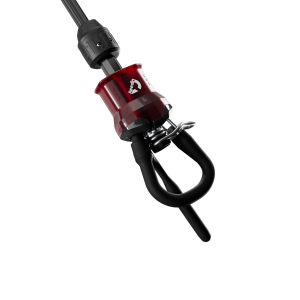
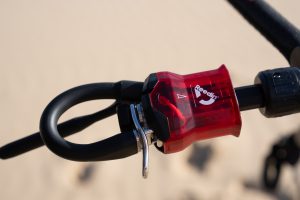
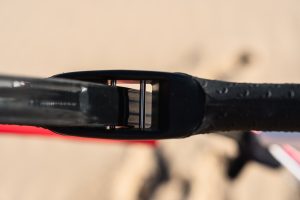
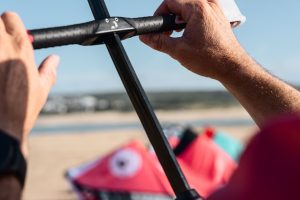
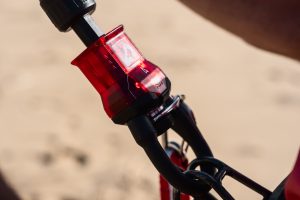
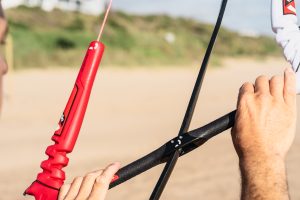
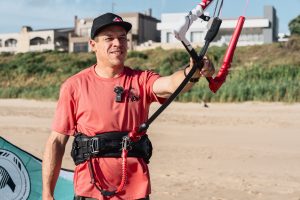
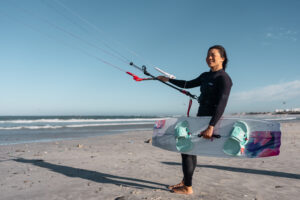
Your control system (the bar) should be intuitive. Modern control bars feature quick-release safety mechanisms and automatic line untwisting, which keeps your kite control crisp and clutter-free. Direct feedback through the bar allows you to feel where the kite is in the sky without having to look up, letting you focus on the water ahead.
-
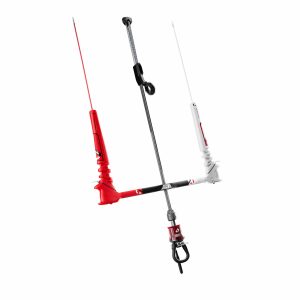
![REEDIN DREAMSTICK X 2026]()
![REEDIN DREAMSTICK X 2026]()
![REEDIN DREAMSTICK X 2026]()
![REEDIN DREAMSTICK X 2026]()
![REEDIN DREAMSTICK X 2026]()
![REEDIN DREAMSTICK X 2026]()
![REEDIN DREAMSTICK X 2026]()
![REEDIN DREAMSTICK X 2026]()
![REEDIN DREAMSTICK X 2026]()
![REEDIN DREAMSTICK X 2026]()
REEDIN DREAMSTICK X 2026
639.00€
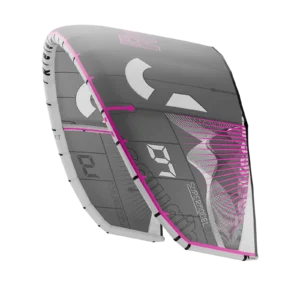
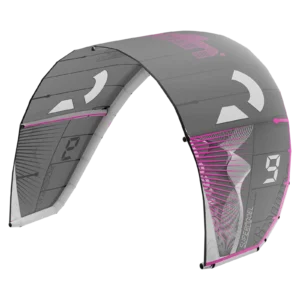
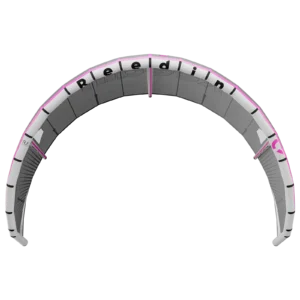
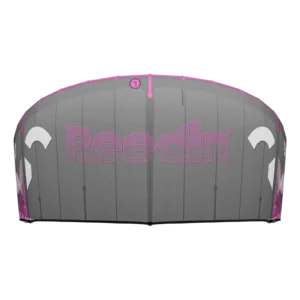
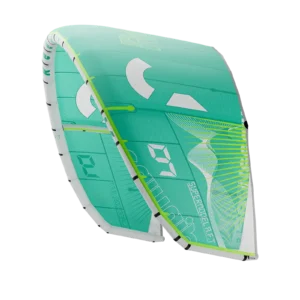
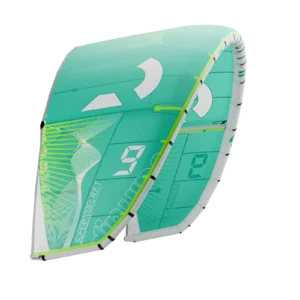
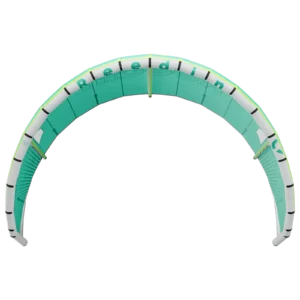
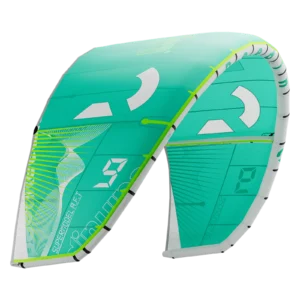
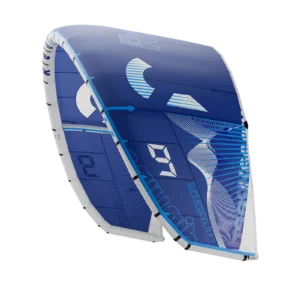
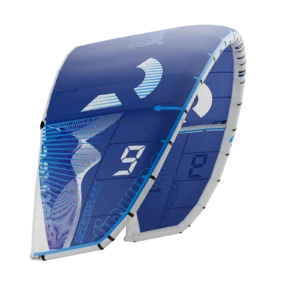
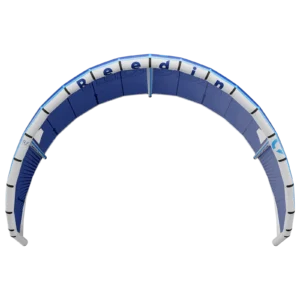
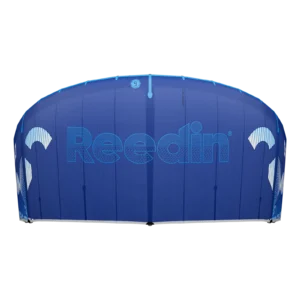


Selecting a Twin-Tip Board
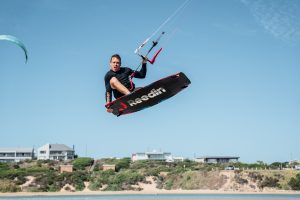
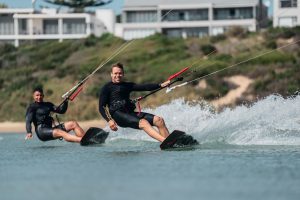
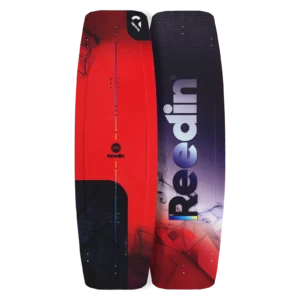
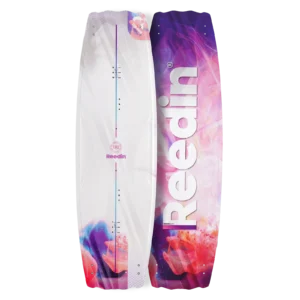
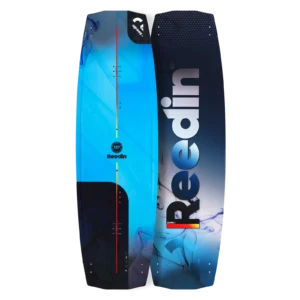
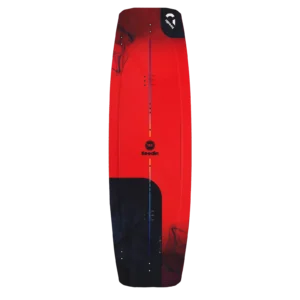
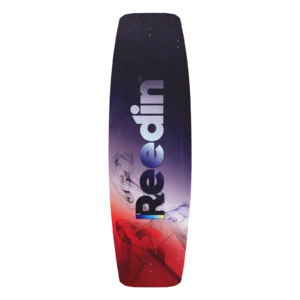
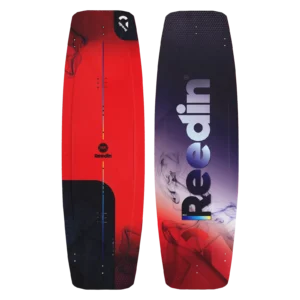
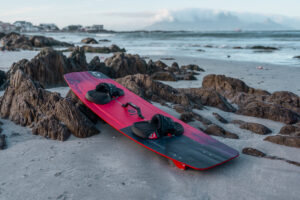
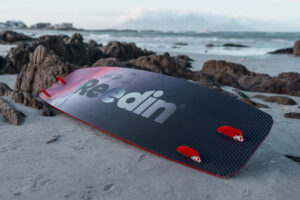
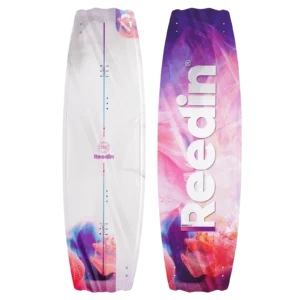
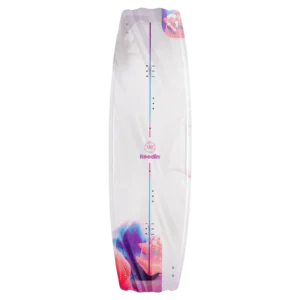
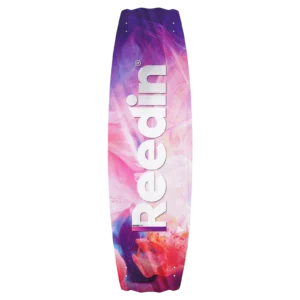
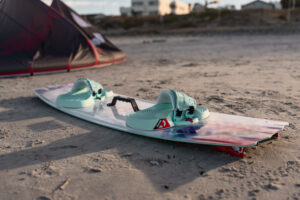
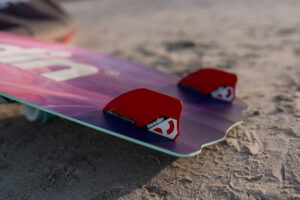
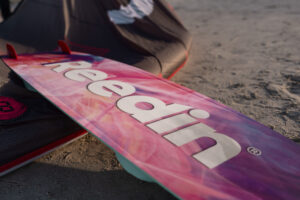
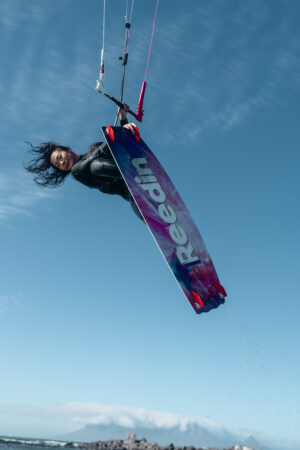
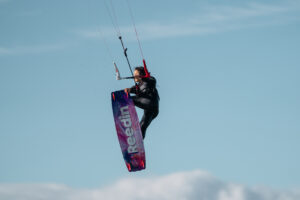
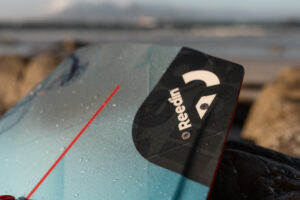
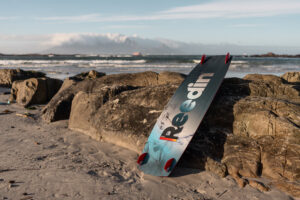
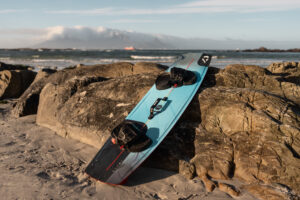
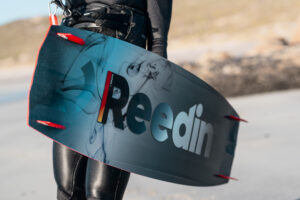
Your first board should be a twin-tip. These symmetrical boards allow you to ride in either direction without swapping your footwork. Larger boards are the best tools for progression; their increased surface area provides more stability and helps you get riding in lighter winds. Lighter riders, however, should look for boards with a slightly softer flex and specific dimensions to ensure better edge control when the wind picks up.
-
![REEDIN BIG E 2026]()
![REEDIN BIG E 2026]()
![REEDIN BIG E 2026]()
![REEDIN BIG E 2026]()
![REEDIN BIG E 2026]()
![REEDIN BIG E 2026]()
![REEDIN BIG E 2026]()
![REEDIN BIG E 2026]()
![REEDIN BIG E 2026]()
![REEDIN BIG E 2026]()
![REEDIN BIG E 2026]()
![REEDIN BIG E 2026]()
![REEDIN BIG E 2026]()
![REEDIN BIG E 2026]()
![REEDIN BIG E 2026]()
REEDIN BIG E 2026
699.00€ -
![REEDIN GOOD DAY 2026]()
![REEDIN GOOD DAY 2026]()
![REEDIN GOOD DAY 2026]()
![REEDIN GOOD DAY 2026]()
![REEDIN GOOD DAY 2026]()
![REEDIN GOOD DAY 2026]()
![REEDIN GOOD DAY 2026]()
![REEDIN GOOD DAY 2026]()
![REEDIN GOOD DAY 2026]()
![REEDIN GOOD DAY 2026]()
![REEDIN GOOD DAY 2026]()
![REEDIN GOOD DAY 2026]()
![REEDIN GOOD DAY 2026]()
![REEDIN GOOD DAY 2026]()
![REEDIN GOOD DAY 2026]()
REEDIN GOOD DAY 2026
749.00€ -
![REEDIN SUPER E 2026]()
![REEDIN SUPER E 2026]()
![REEDIN SUPER E 2026]()
![REEDIN SUPER E 2026]()
![REEDIN SUPER E 2026]()
![REEDIN SUPER E 2026]()
![REEDIN SUPER E 2026]()
![REEDIN SUPER E 2026]()
![REEDIN SUPER E 2026]()
![REEDIN SUPER E 2026]()
![REEDIN SUPER E 2026]()
![REEDIN SUPER E 2026]()
REEDIN SUPER E 2026
699.00€
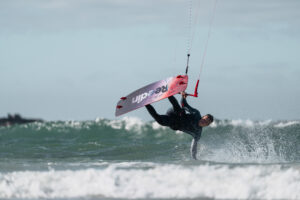
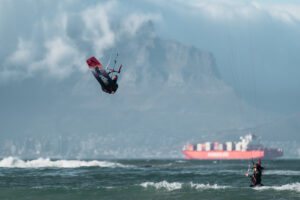
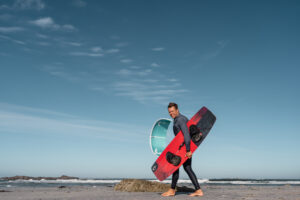
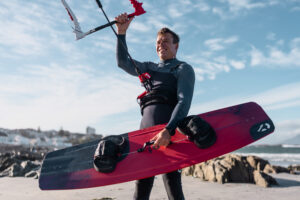
Understanding the Wind Window and Water Basics
Before your first launch, you must master the concept of the “wind window.” The 12 o’clock position, or the “zenith,” is the neutral zone where the kite provides the least amount of pull—this is your safe parking spot. Your journey in the water usually begins with “body dragging,” a crucial skill that teaches you how to harness the kite’s power to move through the water without a board.
Always check the wind direction relative to the shoreline. Offshore wind is extremely dangerous for beginners, as any equipment malfunction could see you drifting away from land. Safe riding is the result of situational awareness and informed decision-making before the kite ever leaves the bag.
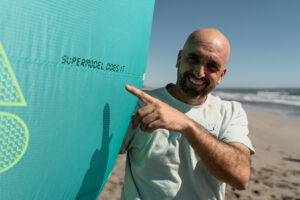
<a href="https://www.youtube.com/watch?v=1FXbU79M0″>Supermodel HTF – The ultimate do-it-all kite – Learn about the gear that makes your first steps easy.
Progression: Your First Tricks
Once you can consistently ride upwind, you’re ready to start experimenting with maneuvers. Focus on these foundational skills to improve your balance and kite feel:
- Toeside Riding: Shifting your weight to your toes and turning your back to the wind. This is a prerequisite for advanced carves and transitions.
- The Pop: Learning to “load and release” the board’s edge to flick yourself off the water. The pop is the foundation of every jump.
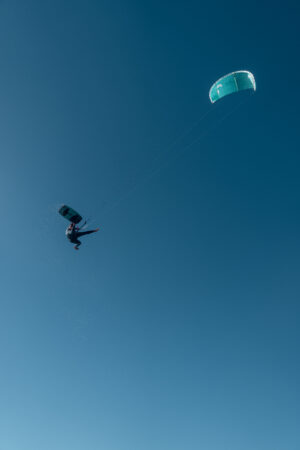
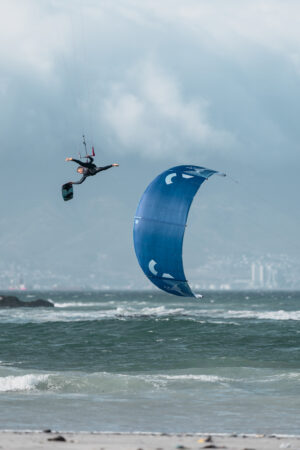
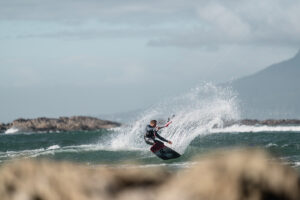
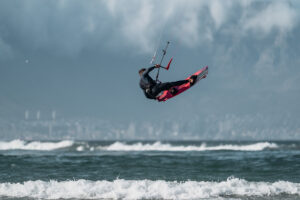
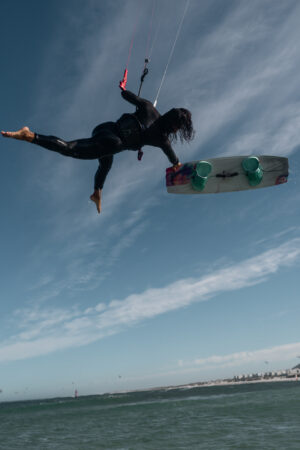
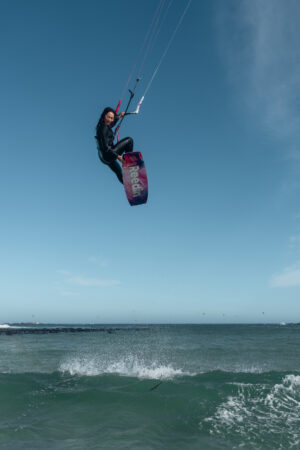
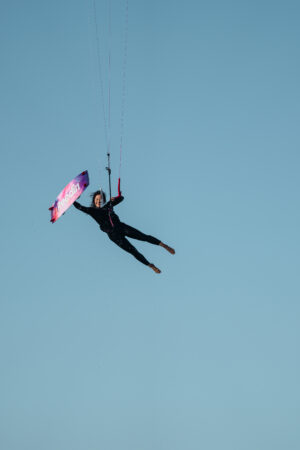
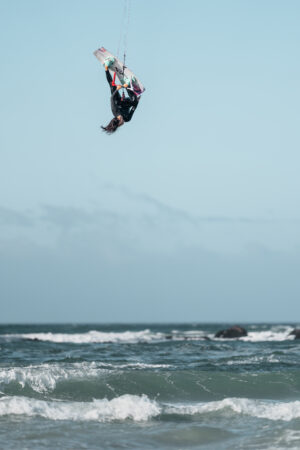
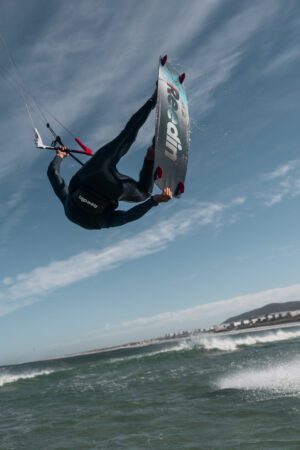
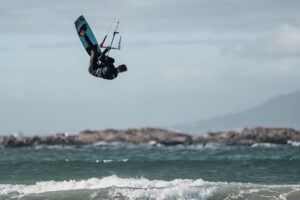
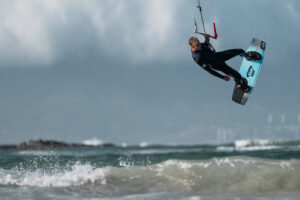
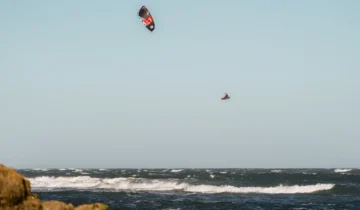
- Straight Jumps: Once you can pop, send the kite toward the 12 o’clock position to add vertical lift. Always ensure you have at least 50 meters of clear water downwind before jumping.
- Transitions: Practice changing direction in one fluid motion without coming to a stop to keep your riding seamless.
Successful kiteboarding is built on consistent practice and quality instruction. By choosing equipment and training that supports your development, you can move safely and confidently toward the ultimate goal: the pure freedom of independent riding.
 No products in the basket.