




Have you ever cut a session short because of lower back fatigue, or spent half your time on the water pulling your harness down off your ribs? Your kiteboarding harness is the critical connection between your body and the power of the wind—shaping not only your daily comfort, but how quickly you progress.
Waist Harness: Freedom and Maneuverability
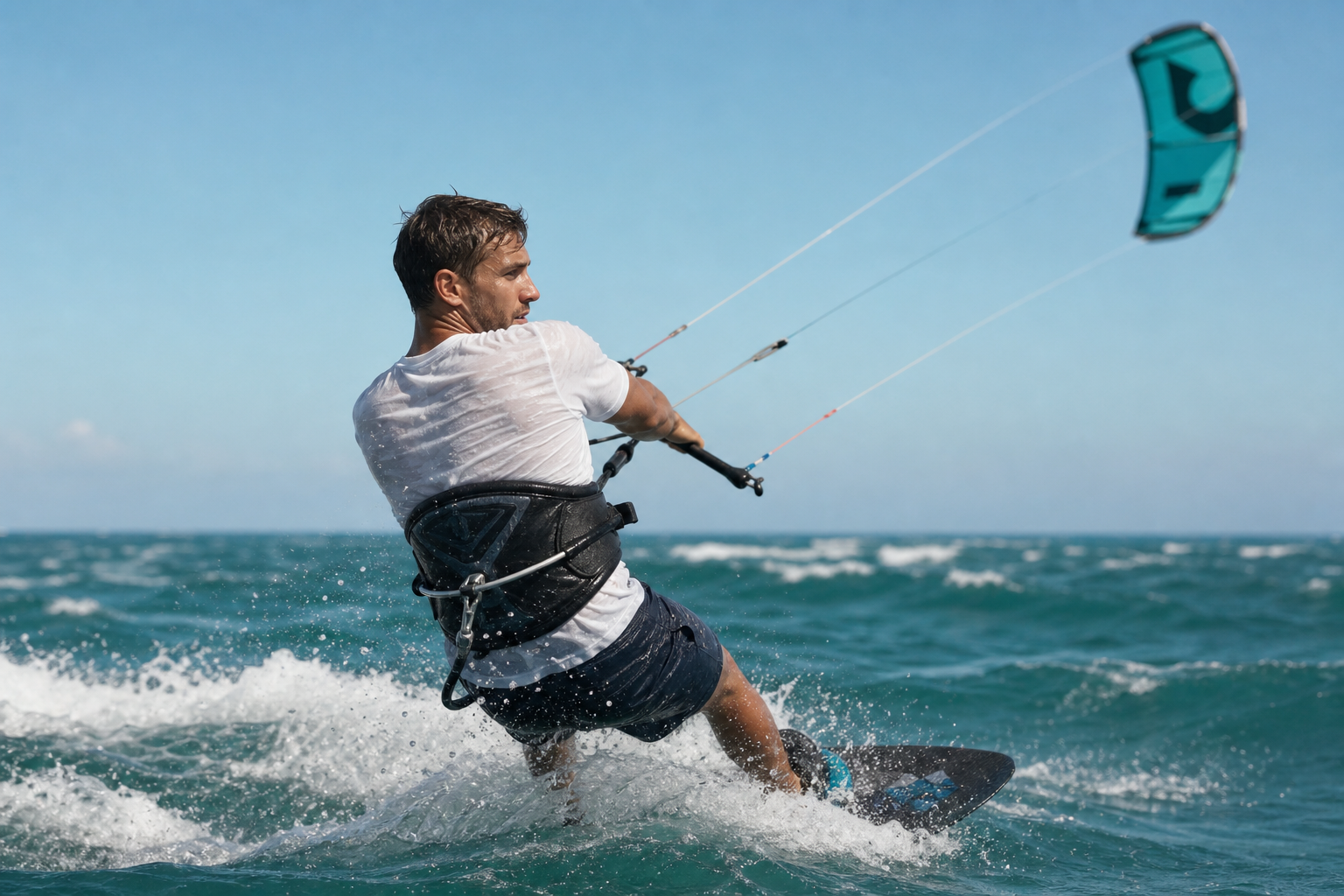
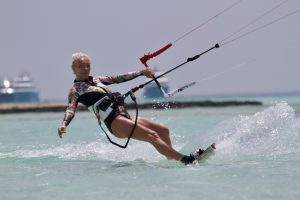
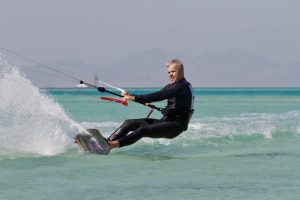
Waist harnesses are the go-to choice for intermediate and advanced riders. Wrapping securely around your midsection, they leave your legs completely free, allowing for maximum upper-body rotation and an uninhibited range of motion. This mobility is essential when learning beginner kite tricks, carving waves, or riding unhooked, where swift adjustments in body positioning make all the difference.
While a waist harness offers unmatched maneuverability, it demands good core strength and a precise fit. If the harness isn’t fitted properly—or if your kite spends extended periods parked at the zenith (12 o’clock)—it will naturally ride up toward your chest. For this reason, waist harnesses best suit riders who prefer an agile feel and have the core engagement required to keep the spreader bar locked at the proper height.
-
35%
![REEDIN SUPERMODEL 2025 + SUPER E 2026 + DREAMSTICK + PUMP]()
![REEDIN SUPERMODEL 2025 + SUPER E 2026 + DREAMSTICK + PUMP]()
![REEDIN SUPERMODEL 2025 + SUPER E 2026 + DREAMSTICK + PUMP]()
![REEDIN SUPERMODEL 2025 + SUPER E 2026 + DREAMSTICK + PUMP]()
![REEDIN SUPERMODEL 2025 + SUPER E 2026 + DREAMSTICK + PUMP]()
![REEDIN SUPERMODEL 2025 + SUPER E 2026 + DREAMSTICK + PUMP]()
![REEDIN SUPERMODEL 2025 + SUPER E 2026 + DREAMSTICK + PUMP]()
![REEDIN SUPERMODEL 2025 + SUPER E 2026 + DREAMSTICK + PUMP]()
![REEDIN SUPERMODEL 2025 + SUPER E 2026 + DREAMSTICK + PUMP]()
![REEDIN SUPERMODEL 2025 + SUPER E 2026 + DREAMSTICK + PUMP]()
![REEDIN SUPERMODEL 2025 + SUPER E 2026 + DREAMSTICK + PUMP]()
![REEDIN SUPERMODEL 2025 + SUPER E 2026 + DREAMSTICK + PUMP]()
![REEDIN SUPERMODEL 2025 + SUPER E 2026 + DREAMSTICK + PUMP]()
![REEDIN SUPERMODEL 2025 + SUPER E 2026 + DREAMSTICK + PUMP]()
![REEDIN SUPERMODEL 2025 + SUPER E 2026 + DREAMSTICK + PUMP]()
![REEDIN SUPERMODEL 2025 + SUPER E 2026 + DREAMSTICK + PUMP]()
![REEDIN SUPERMODEL 2025 + SUPER E 2026 + DREAMSTICK + PUMP]()
![REEDIN SUPERMODEL 2025 + SUPER E 2026 + DREAMSTICK + PUMP]()
![REEDIN SUPERMODEL 2025 + SUPER E 2026 + DREAMSTICK + PUMP]()
![REEDIN SUPERMODEL 2025 + SUPER E 2026 + DREAMSTICK + PUMP]()
![REEDIN SUPERMODEL 2025 + SUPER E 2026 + DREAMSTICK + PUMP]()
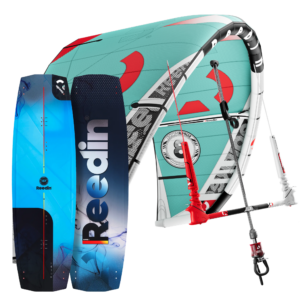
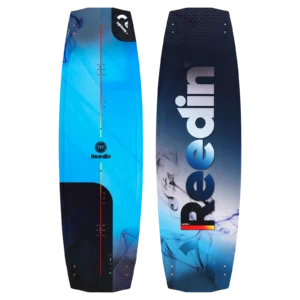
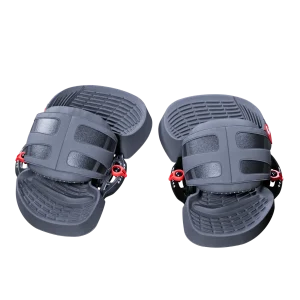
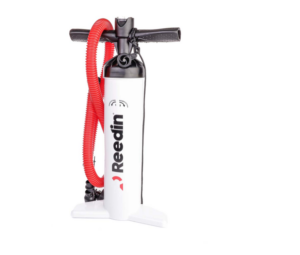
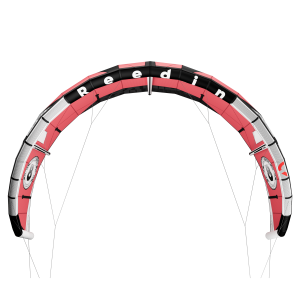
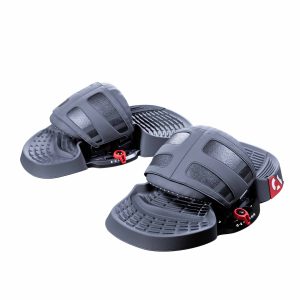
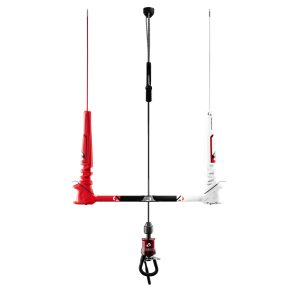
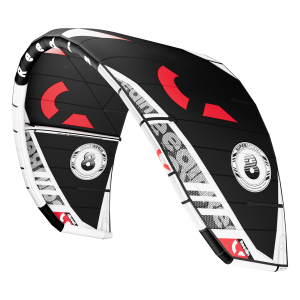
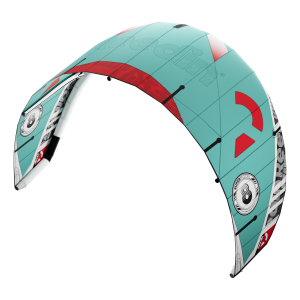
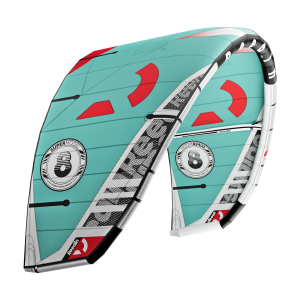
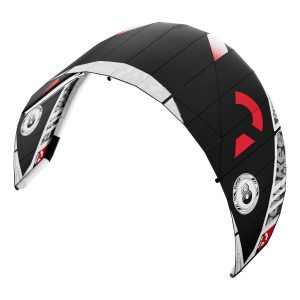
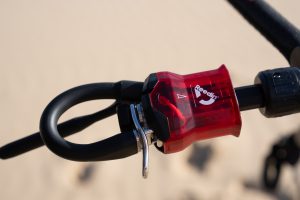
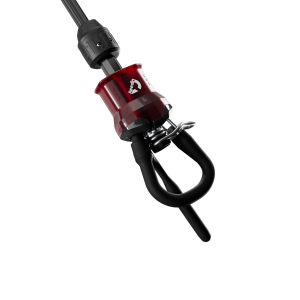
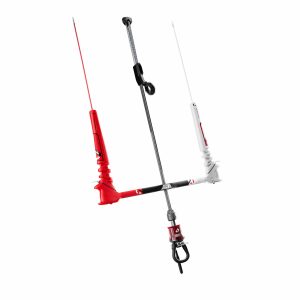
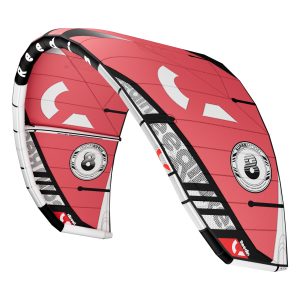
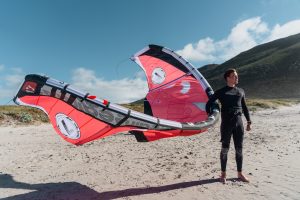
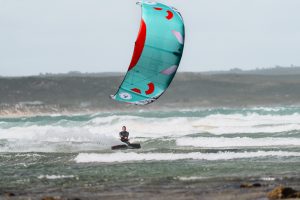
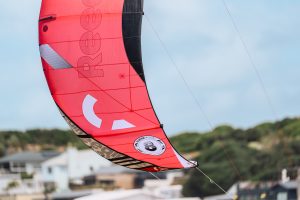
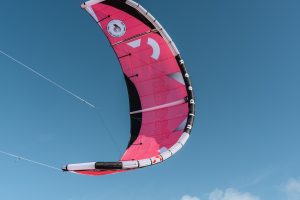
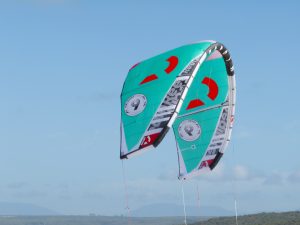
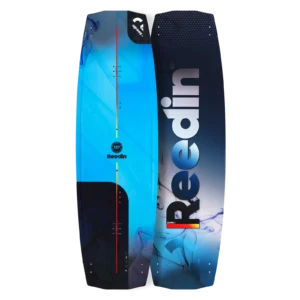
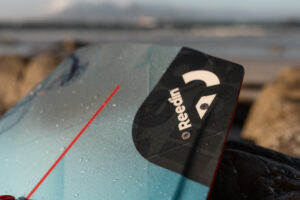
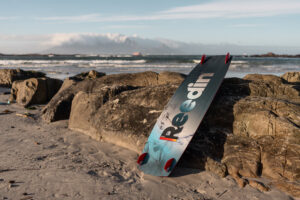
REEDIN SUPERMODEL 2025 + SUPER E 2026 + DREAMSTICK + PUMP
Price range: 1,888.00€ through 2,206.00€



Seat Harness: Stability and Comfort for Beginners
Designed much like a climbing harness, a seat harness features leg straps that keep it firmly locked in place. It is often the top pick during kiteboarding lessons, remaining secure even when the kite exerts continuous upward pull. By lowering the traction point and anchoring around your hips and glutes, a seat harness effectively takes direct load off your lower back.
A seat harness is the ideal setup in several key scenarios:
- Beginners and learners: A lower center of pull improves balance and makes kite control much more intuitive, particularly during initial water starts.
- Lower back concerns: If you deal with back sensitivity or past spinal injuries, a seat harness significantly reduces vertical compressive force on your back.
- Shorter arm reach: Because the spreader bar sits lower on the hips, the control bar is physically closer to you, making it much easier to reach and dump power using the depower system.
- Extended sessions: The sitting posture and enhanced load distribution allow you to stay out on the water for hours without premature fatigue.
-
![Lohesurfi koolitus]()
![Lohesurfi koolitus]()
![Lohesurfi koolitus]()
![Lohesurfi koolitus]()
![Lohesurfi koolitus]()
![Lohesurfi koolitus]()
![Lohesurfi koolitus]()
![Lohesurfi koolitus]()
![Lohesurfi koolitus]()
Lohesurfi koolitus
Price range: 210.00€ through 1,620.00€
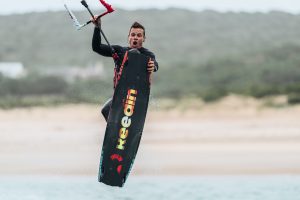
How to Find the Right Fit
Comfort is everything when selecting a harness—even the most technical backplate can’t make up for pinching straps or painful pressure points. Because kiteboarding for beginners and advanced riders in colder climates often involves thick neoprene, always try on harnesses while wearing your thickest suit. A 5/3 mm or 6/4 mm wetsuit adds significant bulk, directly impacting sizing and strap extension.
Key Checklist When Trying On a Harness
- Adjustment range: Webbing straps should tighten smoothly and hold firm under load. Make sure you still have room to cinch the harness down further once it is fitted over your wetsuit.
- Spreader bar positioning: The bar should sit comfortably across your abdomen without digging into your hip bones or riding into your ribs when taking a deep breath.
- Support and padding: The back section should provide firm, contoured lumbar support that spreads the kite’s force across a wide area without restricting your natural movement.
How to Choose a KITEBOARD HARNESS? – Watch the video to find the best harness for you!
Matching Gear to Your Riding Style
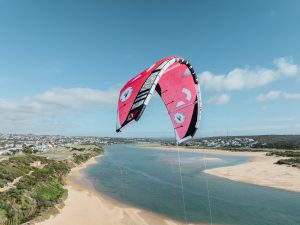
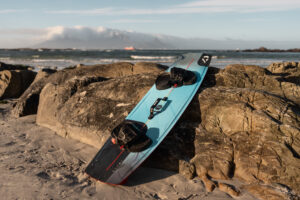
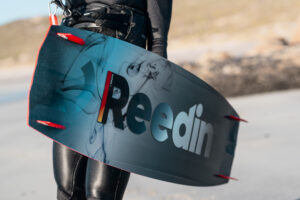
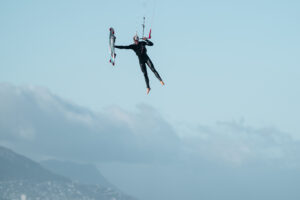
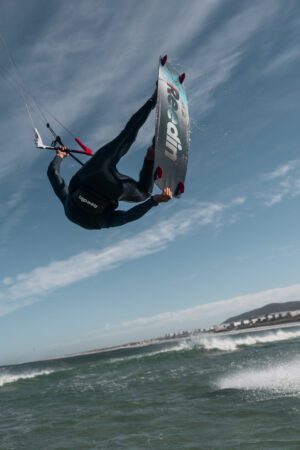
Your harness should work seamlessly with the rest of your equipment. Premium gear, such as the kites in our kite collection like the Reedin SuperModel, is engineered for smooth power delivery that eliminates sudden yanks and protects your body. If your goal is sending big jumps and riding fast, pairing a supportive waist harness with a high-performance twintip board offers the ultimate setup for pushing your limits.
Investing in a well-fitting harness pays off in longer, safer sessions. Don’t forget to practice routine gear maintenance and repair to ensure buckles, webbing, and safety releases remain fully functional despite constant exposure to salt water.
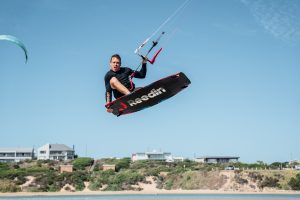
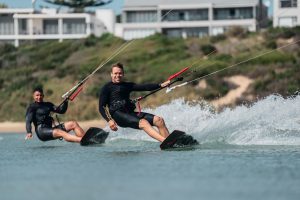
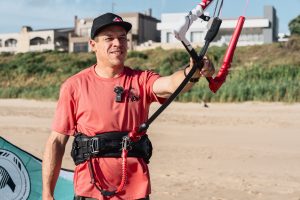

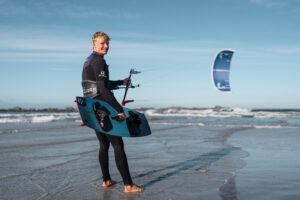
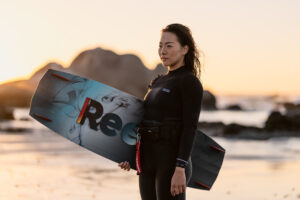
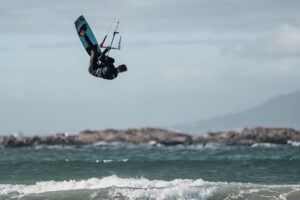
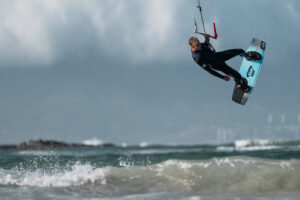
Ready to elevate your time on the water? Choose equipment that supports your goals and keeps you riding comfortably in any conditions.
 No products in the basket.