




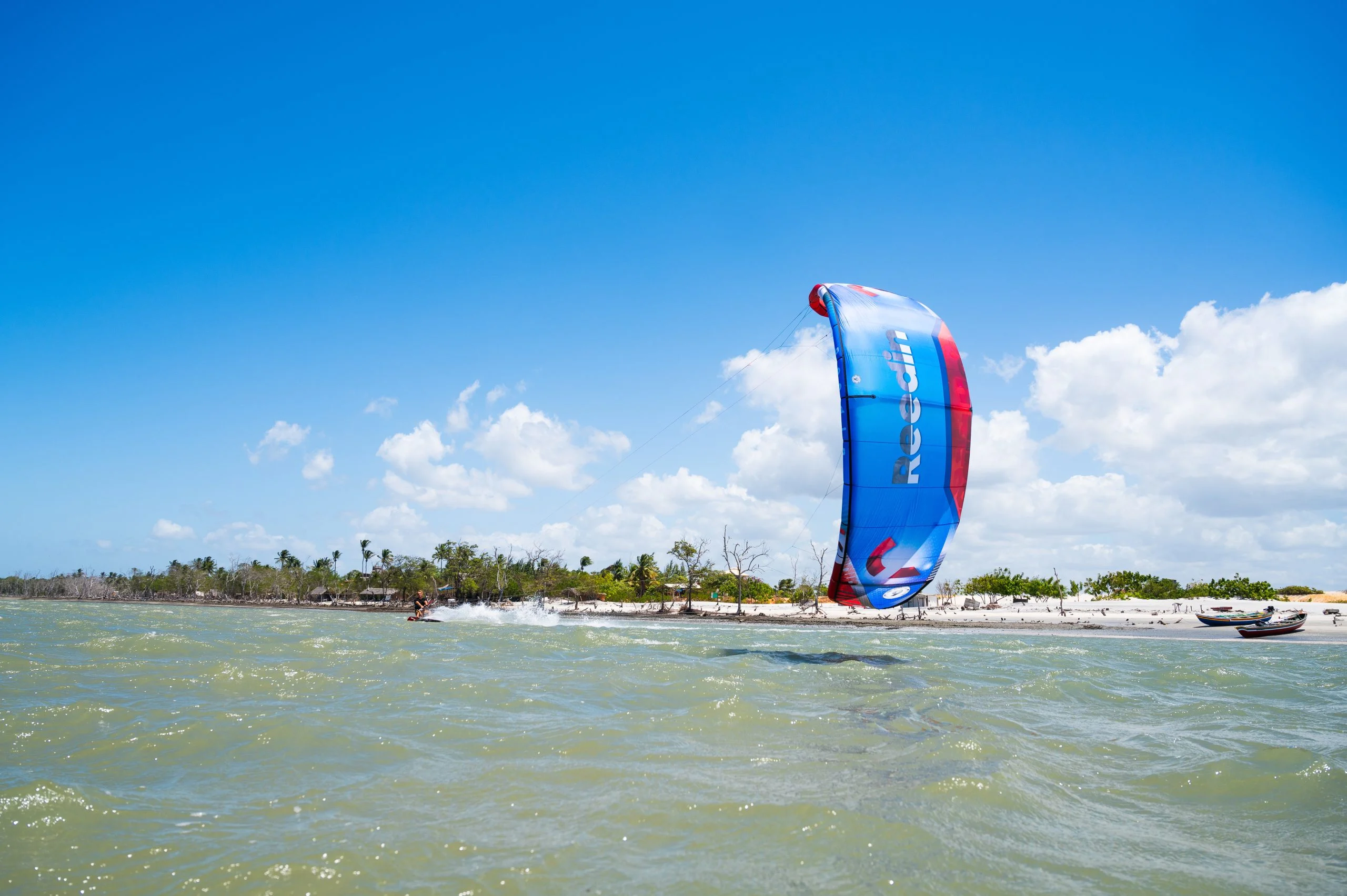
Looking to save hundreds of euros without compromising on safety? Buying pre-owned kiteboarding gear is one of the smartest ways to expand your quiver—provided you know what to look for. Hidden defects can easily turn a seemingly great deal into an expensive, dangerous mistake. Here is your practical guide to inspecting used equipment and evaluating its true market value.
Inspecting the Kite: Canopy Fabric and Construction
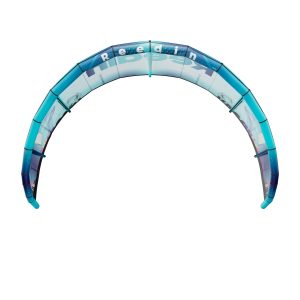
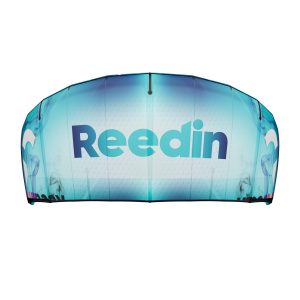
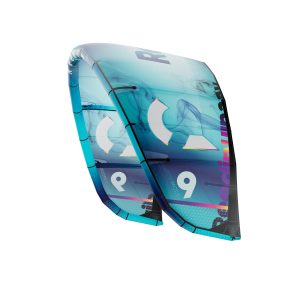
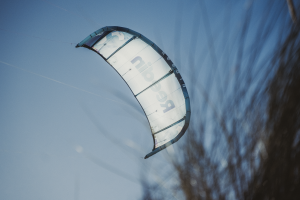
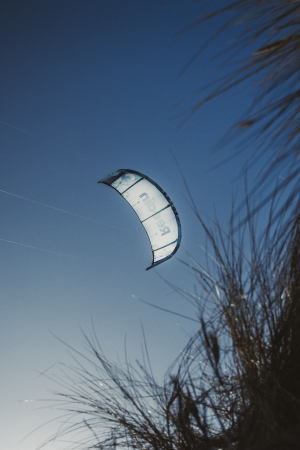
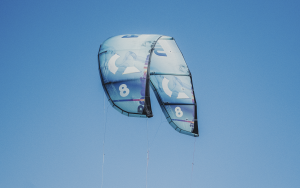
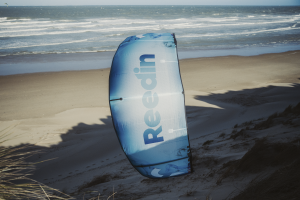
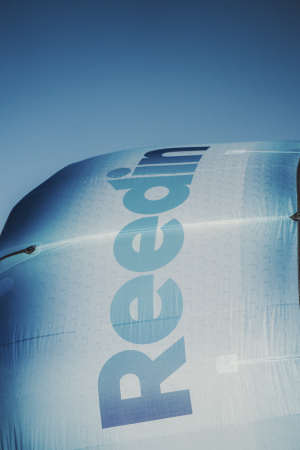
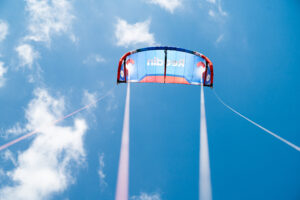
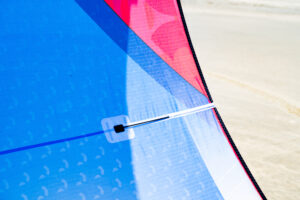
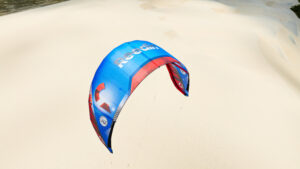
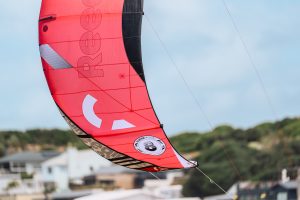
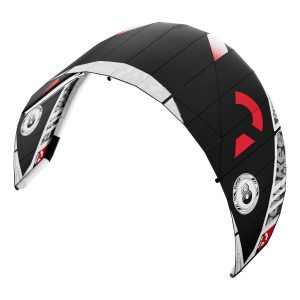
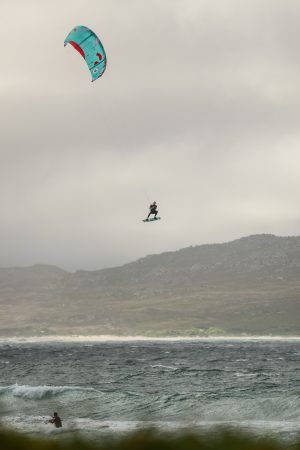
A kite’s overall value and remaining lifespan hinge directly on the state of its canopy fabric. Start by checking the texture for crispness: a fresh canopy feels firm and crinkly, much like a brand-new paper bag. If the fabric feels soft, dull, or silky, it has suffered heavy UV degradation, leaving the fibers brittle and prone to tearing under normal flying loads.
Examine the canopy closely for pinholes and signs of wear. While neat, professional repairs won’t ruin a kite’s flying characteristics, they should always be factored into a lower asking price. Most industry experts recommend avoiding kites older than five or six years, as kitesurfing safety can be compromised by aging air valves and outdated quick-release safety systems.
Critical points to check:
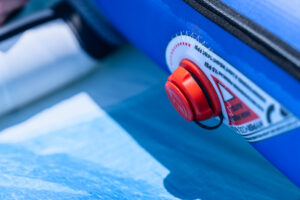
- Air retention: Pump the kite up fully and leave it inflated for 20 to 30 minutes to confirm the bladders hold pressure without leaking.
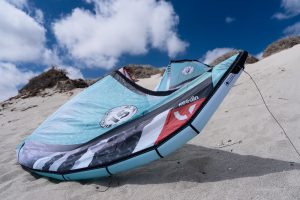
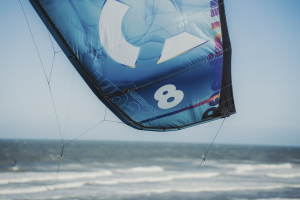
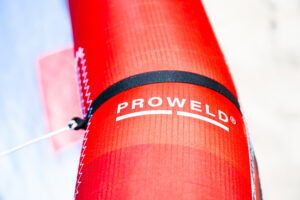
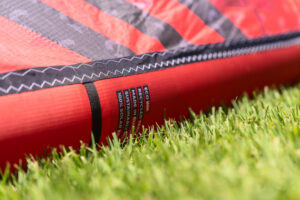
- Leading edge: Inspect the Dacron leading edge and its seams for abrasion, particularly along wear points that drag on the ground during launching and landing.
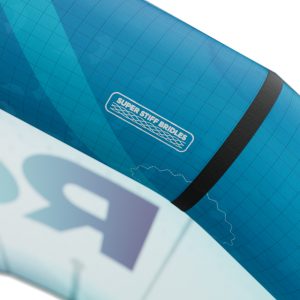
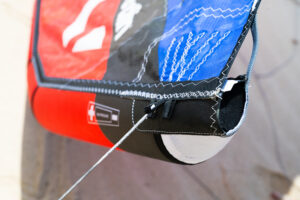
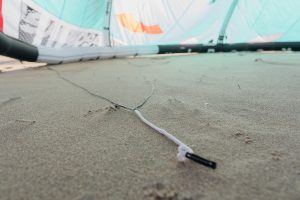
- Bridles and pigtails: Verify that all bridle lines, pulleys, and line attachment points are free of fraying, heavy fading, or accidental knots.
-
![REEDIN MASTERMODEL 2026 used]()
![REEDIN MASTERMODEL 2026 used]()
![REEDIN MASTERMODEL 2026 used]()
![REEDIN MASTERMODEL 2026 used]()
![REEDIN MASTERMODEL 2026 used]()
![REEDIN MASTERMODEL 2026 used]()
![REEDIN MASTERMODEL 2026 used]()
![REEDIN MASTERMODEL 2026 used]()
![REEDIN MASTERMODEL 2026 used]()
![REEDIN MASTERMODEL 2026 used]()
![REEDIN MASTERMODEL 2026 used]()
![REEDIN MASTERMODEL 2026 used]()
![REEDIN MASTERMODEL 2026 used]()
![REEDIN MASTERMODEL 2026 used]()
![REEDIN MASTERMODEL 2026 used]()
![REEDIN MASTERMODEL 2026 used]()
![REEDIN MASTERMODEL 2026 used]()
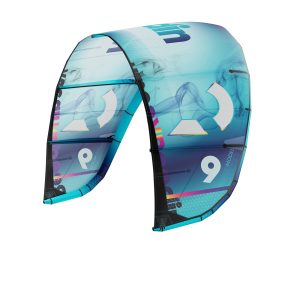
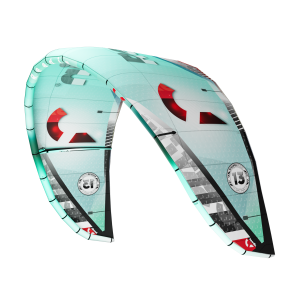
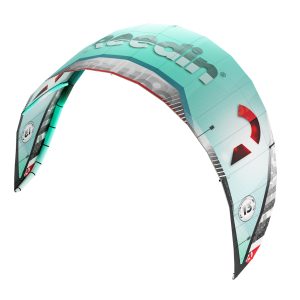
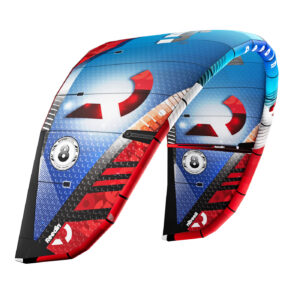
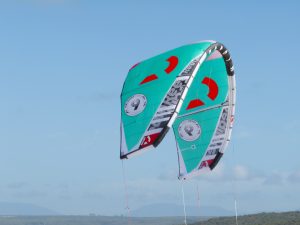
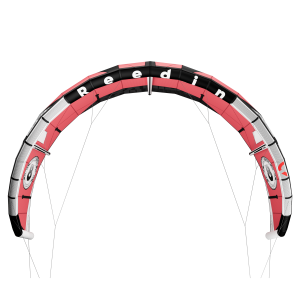
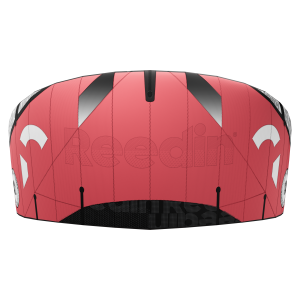
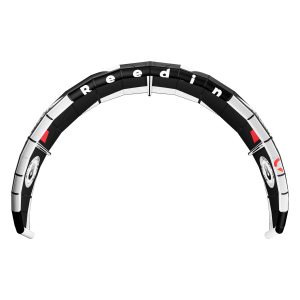
REEDIN MASTERMODEL 2026 used
Price range: 1,500.00€ through 1,600.00€ -
![REEDIN SUPERMODEL 2025 used]()
![REEDIN SUPERMODEL 2025 used]()
![REEDIN SUPERMODEL 2025 used]()
![REEDIN SUPERMODEL 2025 used]()
![REEDIN SUPERMODEL 2025 used]()
![REEDIN SUPERMODEL 2025 used]()
![REEDIN SUPERMODEL 2025 used]()
![REEDIN SUPERMODEL 2025 used]()
![REEDIN SUPERMODEL 2025 used]()
![REEDIN SUPERMODEL 2025 used]()
![REEDIN SUPERMODEL 2025 used]()
![REEDIN SUPERMODEL 2025 used]()
![REEDIN SUPERMODEL 2025 used]()
![REEDIN SUPERMODEL 2025 used]()
![REEDIN SUPERMODEL 2025 used]()
![REEDIN SUPERMODEL 2025 used]()
![REEDIN SUPERMODEL 2025 used]()
![REEDIN SUPERMODEL 2025 used]()
![REEDIN SUPERMODEL 2025 used]()
![REEDIN SUPERMODEL 2025 used]()
![REEDIN SUPERMODEL 2025 used]()
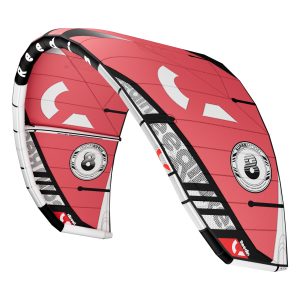
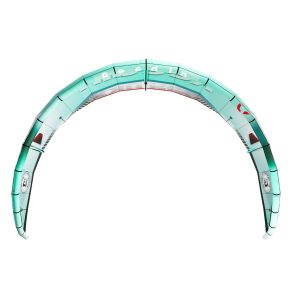
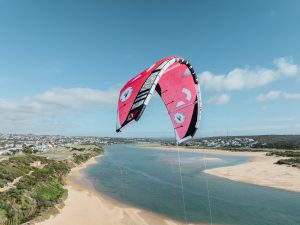
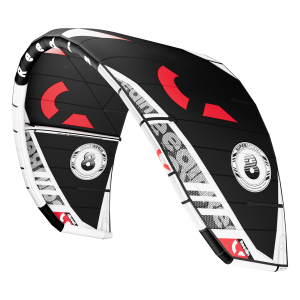
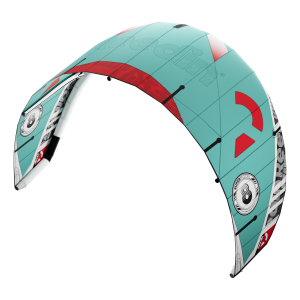
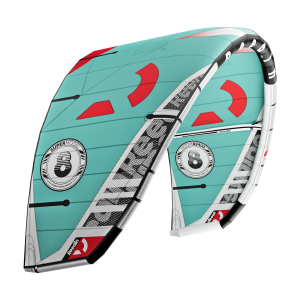
REEDIN SUPERMODEL 2025 used
Price range: 800.00€ through 1,000.00€


















Control Bar and Safety Systems: Never Compromise
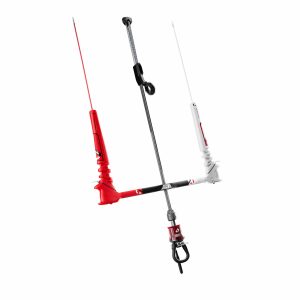
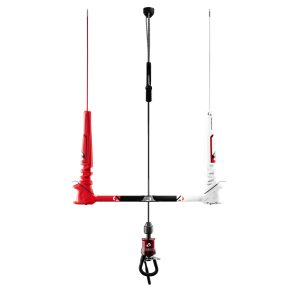
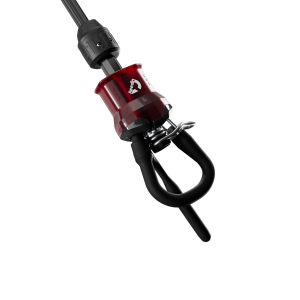
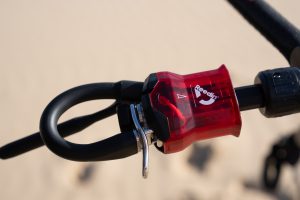
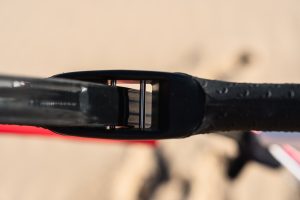
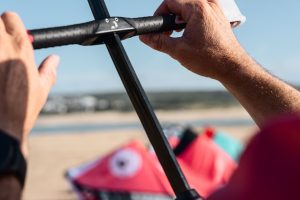
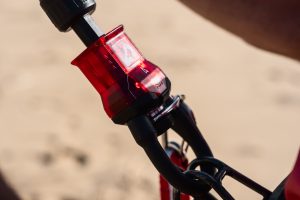
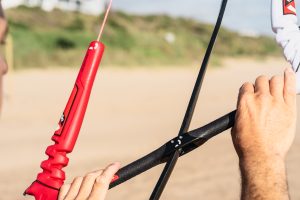
Your control bar is your single direct connection to the kite’s power. Unlike a board, a bar is a high-wear component where safety must always come first. Thoroughly test the quick-release mechanism to ensure it deploys smoothly and resets effortlessly without jamming from trapped sand. Reliable kite control demands pristine lines; even a small, tight knot in a line can reduce its breaking strength by up to 50%.


Evaluating Twin Tips and Accessories
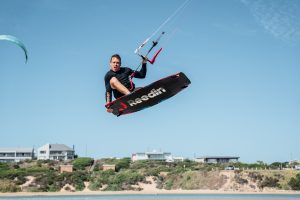
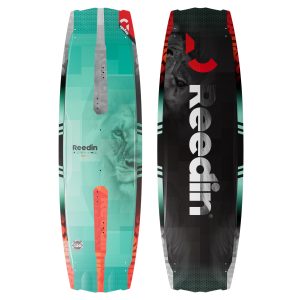
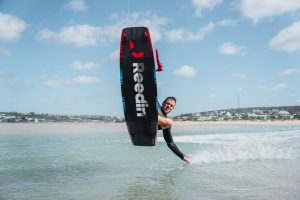
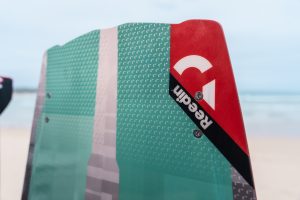
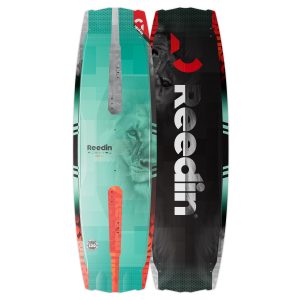
Pre-owned twin tip boards are generally the safest second-hand purchase because kiteboard design evolves incrementally and modern board construction is inherently durable. Inspect the rails, deck, and base for deep gouges that penetrate to the core, which can lead to water absorption and delamination. Check that all thread inserts, strap screws, and fin mounts are undamaged and functional. If you are picking out your first setup, ensure the kite size and board dimensions suit your body weight and local wind conditions.



How to Determine a Fair Market Price
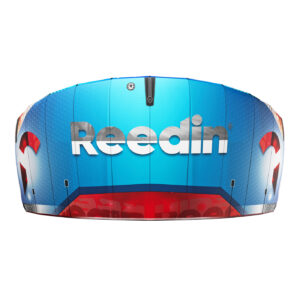
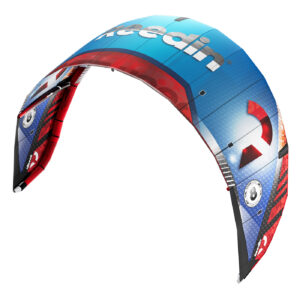
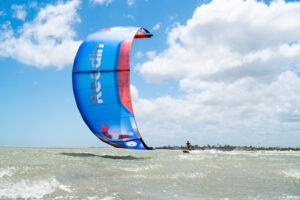
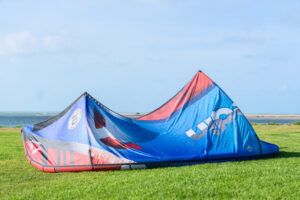
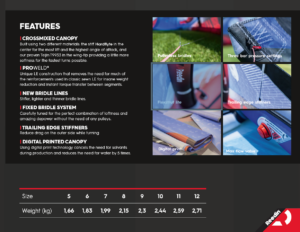
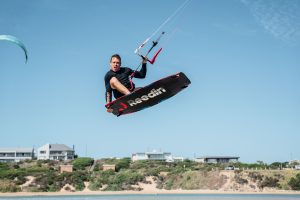
Second-hand kiteboarding gear follows a fairly predictable depreciation curve: a brand-new kite typically loses roughly 50% of its retail value in the first year, depreciating by about 20% annually thereafter. For example, a lightly used, damage-free used REEDIN SUPERMODEL 2025 typically starts around €800, offering substantial savings compared to buying a current-season model at full price.
The most reliable way to minimize risk is to buy from a reputable source. Pre-checked used kites and control bars from Reedin Baltics undergo thorough technical inspections, giving you complete confidence that your gear is safe and ready for the water.
Reedin Master Model – Discover Next-Generation Tech
See why the Master Model sets a new benchmark for performance and choose your next setup with confidence.
Looking for session-ready, expert-inspected equipment at the best price? Explore our Deals category today to gear up for your next session.

 No products in the basket.