




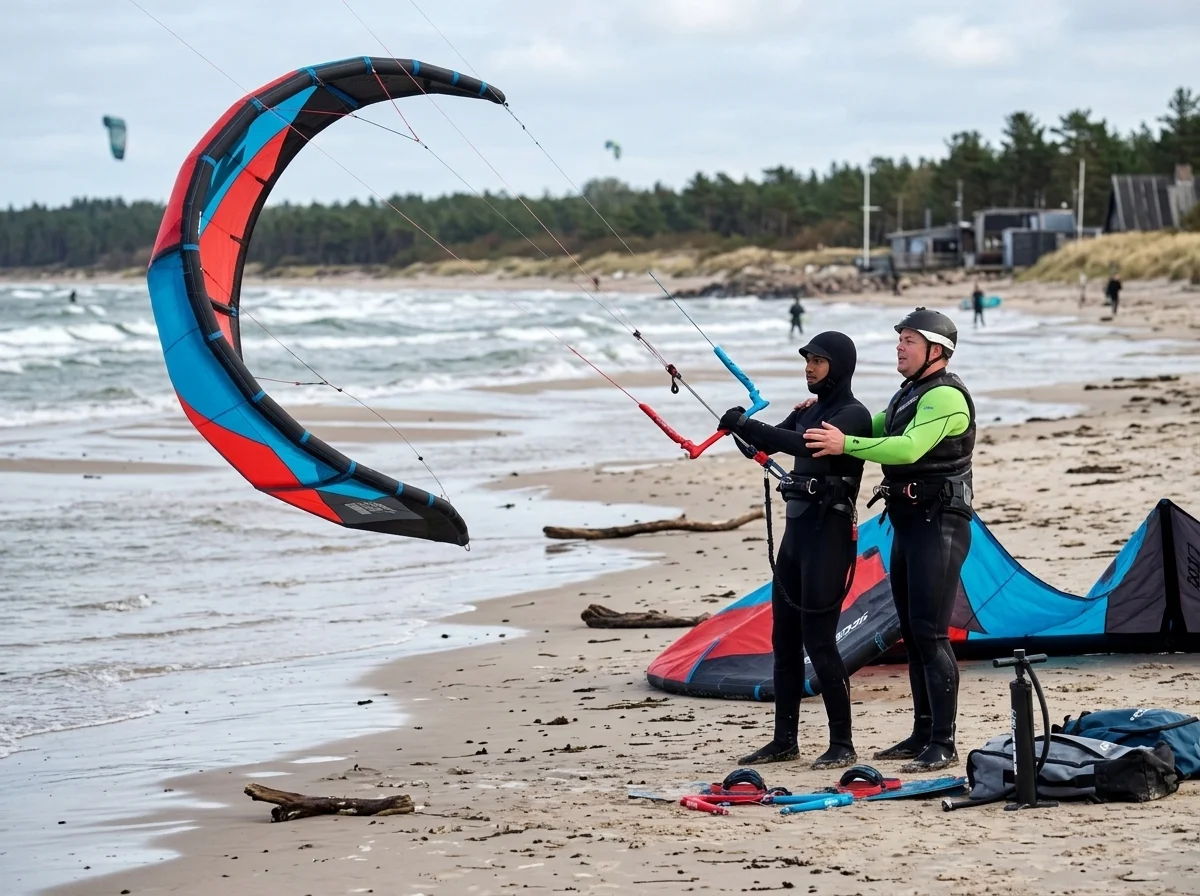
Did you know that roughly 91% of kiteboarding accidents stem from losing control of the kite? Many beginners waste hours on inefficient practice, falling into common traps that slow down their progress—or worse, compromise their safety.
Why Learning on Your Own Is the Biggest Mistake
The single biggest mistake beginners make is trying to teach themselves—or relying on a friend who lacks proper teaching qualifications. Kiteboarding is far more than just flying a kite; it is a dynamic sport that requires a deep understanding of aerodynamics, local weather, and crucial safety systems.
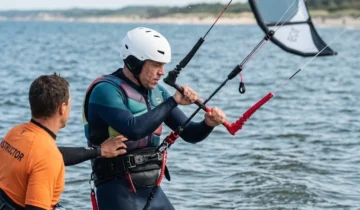
Professional kiteboarding lessons offer a controlled environment where you can master kite control fundamentals alongside standard three-stage safety protocols. Without qualified instruction, a minor error can trigger a dangerous “death loop” or an uncontrollable surge of power, often resulting in severe injury. When selecting a school or instructor, look for internationally recognized certifications such as IKO, which guarantee structured training and help you build the skills to ride independently.
-

![Lohesurfi koolitus]()
![Lohesurfi koolitus]()
![Lohesurfi koolitus]()
![Lohesurfi koolitus]()
![Lohesurfi koolitus]()
![Lohesurfi koolitus]()
![Lohesurfi koolitus]()
![Lohesurfi koolitus]()
![Lohesurfi koolitus]()
Lohesurfi koolitus
Price range: 210.00€ through 1,620.00€
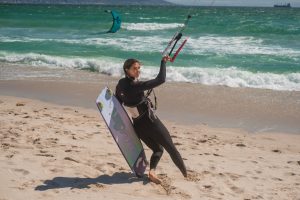
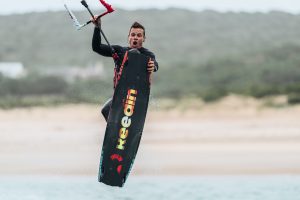
Choosing the Wrong Wind Conditions or Spot
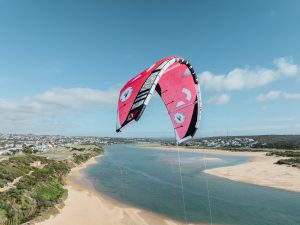
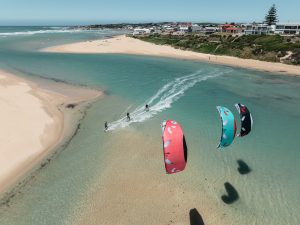
Beginners frequently underestimate nature’s forces. One of the most dangerous blunders is riding in offshore winds, which blow directly away from the beach. If your gear fails or you lose kite control, you will rapidly drift into open water with no easy way to get back unassisted. Safe riding hinges on accurately assessing local wind conditions. The ideal setup for beginners is side-onshore wind—blowing diagonally toward the beach—which naturally carries you back to land.
Another major oversight is ignoring dark clouds and approaching storm fronts. Pre-thunderstorm squalls can double wind speeds in seconds and shift direction unpredictably, rendering the kite unmanageable. Always account for beach obstacles as well, keeping the 1:7 turbulence rule in mind: if an obstacle like a tree or building is 10 meters tall, the turbulent air downwind extends roughly 70 meters behind it.
Buying the Wrong Gear or Riding Overpowered
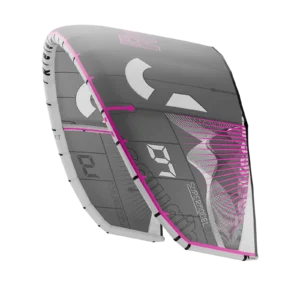
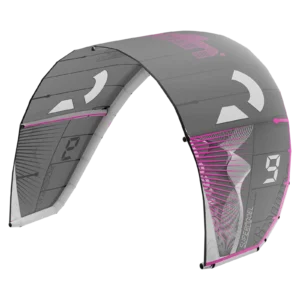
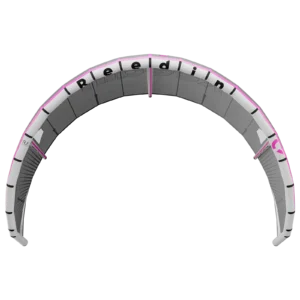
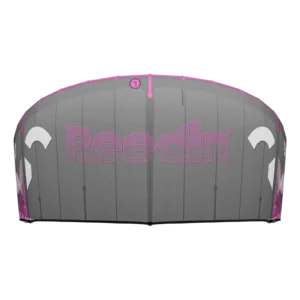
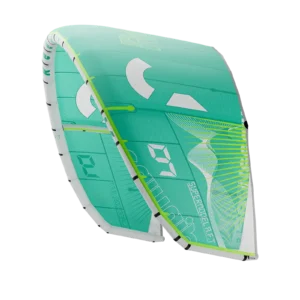
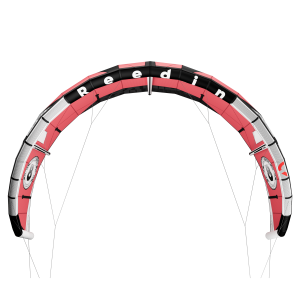
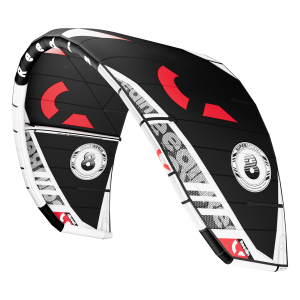
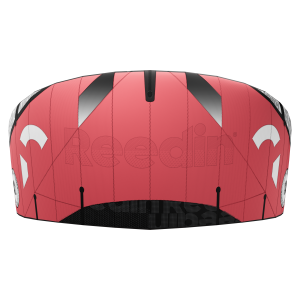
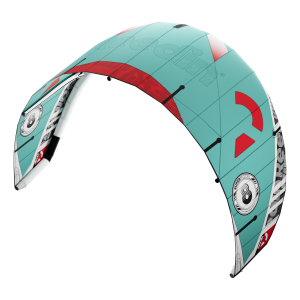
Many newcomers assume that a bigger kite leads to faster progress and better performance. In reality, whenever you are unsure of conditions, opting for a slightly smaller size is the smarter play. Any reliable kite size guide reinforces this golden rule: when in doubt, size down. Smaller kites are far easier to manage and will not pull you into unexpected, overwhelming power surges.
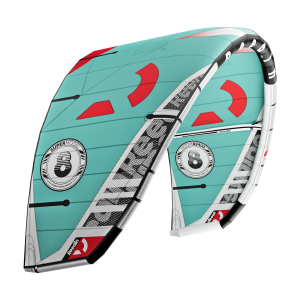
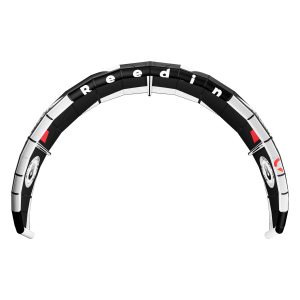
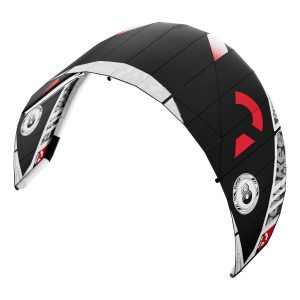
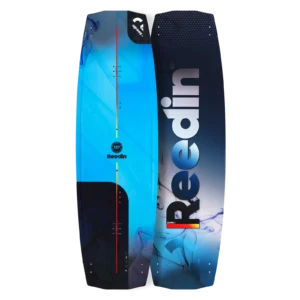
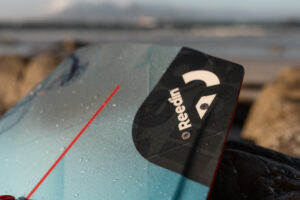
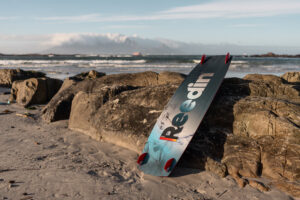
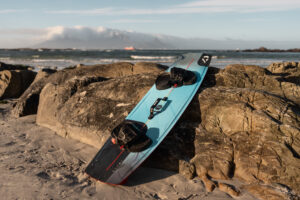
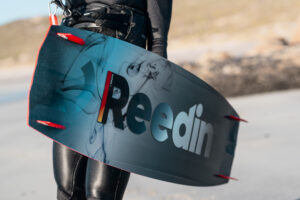
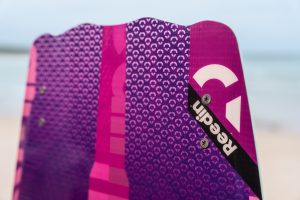
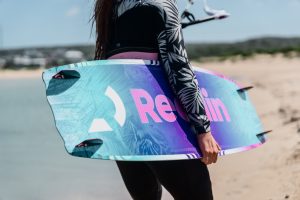
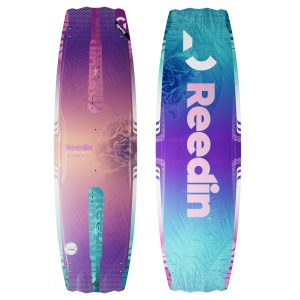
A dedicated beginner kiteboarding gear package typically includes a forgiving, intuitive kite paired with a high-buoyancy twin-tip board. Learning on a board that is too small or overly aggressive makes water starts and balance unnecessarily difficult, delaying your progression by weeks.
-
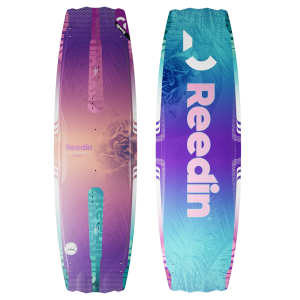
![REEDIN GOOD DAY 2025]()
![REEDIN GOOD DAY 2025]()
![REEDIN GOOD DAY 2025]()
![REEDIN GOOD DAY 2025]()
![REEDIN GOOD DAY 2025]()
![REEDIN GOOD DAY 2025]()
![REEDIN GOOD DAY 2025]()
![REEDIN GOOD DAY 2025]()
![REEDIN GOOD DAY 2025]()
![REEDIN GOOD DAY 2025]()
![REEDIN GOOD DAY 2025]()
![REEDIN GOOD DAY 2025]()
REEDIN GOOD DAY 2025
699.00€

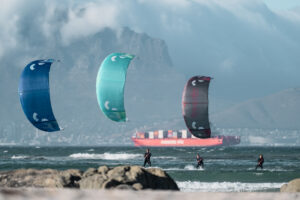

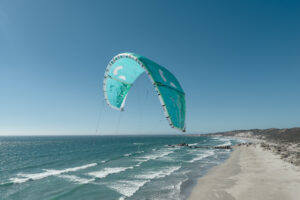
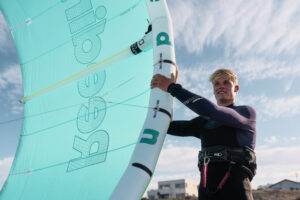
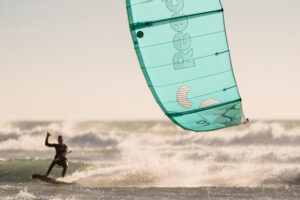










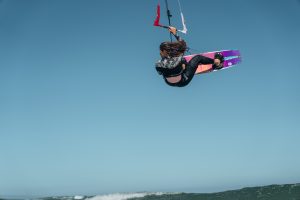
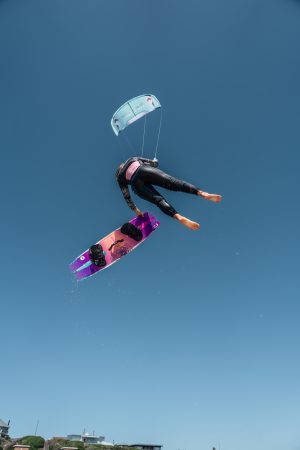
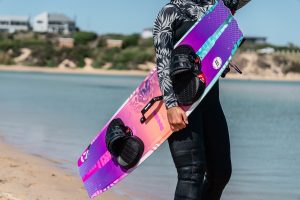
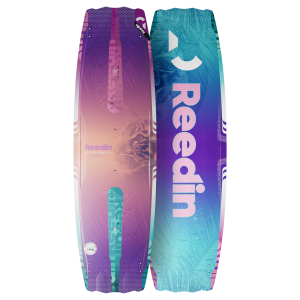
Poor Safety Habits and Technical Errors
Could you locate and trigger your quick release blindly during a sudden emergency? Far too many beginners never practice activating their safety systems until disaster strikes. Core kiteboarding safety rules stress committing quick-release activation to pure muscle memory, allowing you to instantly flag out the kite onto its safety line when something goes wrong.
Key technical errors to avoid include:
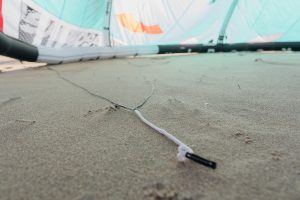
- Skipping pre-flight line inspections: Even a simple knot in a flying line can cut its overall strength by up to 50%. Before every session, carry out thorough equipment maintenance and inspection, checking the line integrity and canopy fabric for wear.
- Choking the bar during a gust: When panic strikes, a beginner’s knee-jerk instinct is to pull the bar in tight. However, sheeting in tensions the rear lines and feeds maximum power to the kite. The correct reaction is pushing the bar away (depowering), which flattens the kite’s angle of attack and instantly dumps the power.
- Neglecting self-rescue practice: If the wind drops completely or gear breaks, a self-rescue is your ultimate safety net. Practice this procedure in shallow water so you know how to wrap your lines, use the kite as a raft or sail, and navigate back to shore safely.
Smart First Steps Toward Successful Kiteboarding
Building kiteboarding confidence requires patience and learning in the proper progression. Before attempting beginner kiteboarding tricks, spend time mastering body dragging and holding the kite comfortably at the 12 o’clock position (the zenith). The zenith serves as a neutral resting zone where the kite exerts minimal pull, letting you rest and regain your balance.
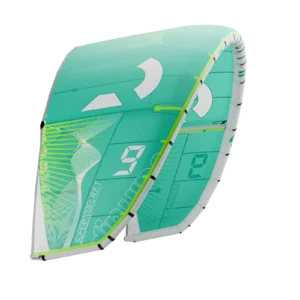
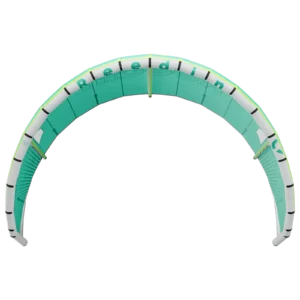
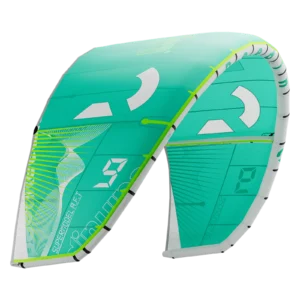
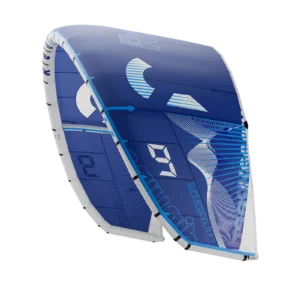
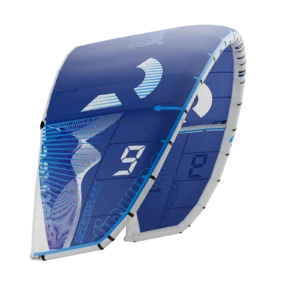
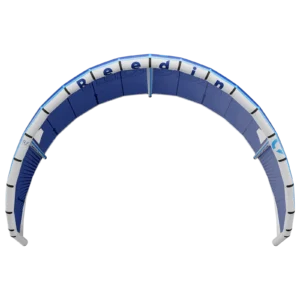
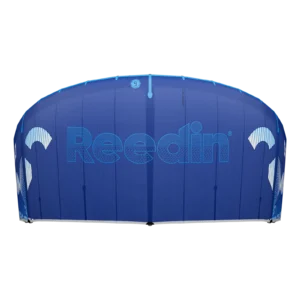
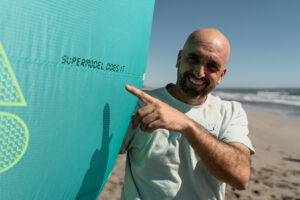
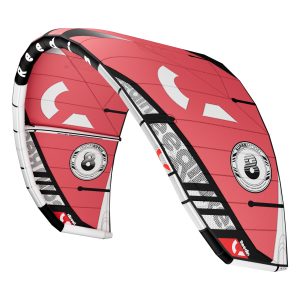
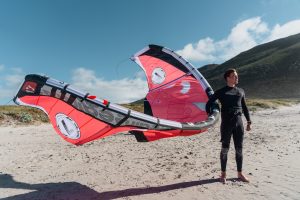
| Check out the [REEDIN Supermodel A.F.T. | The Do-it-all Kite](https://www.youtube.com/watch?v=kYv_8D69p6M) to see how modern, user-friendly gear makes learning to kiteboard both intuitive and rewarding. |
To set yourself up for long-term success, invest in forgiving gear and book a lesson with a certified school. Avoiding these common mistakes saves you endless frustration, getting you up on the board for your first smooth rides much faster. Take the right steps today, gear up properly, and hit the water with confidence!
 No products in the basket.