




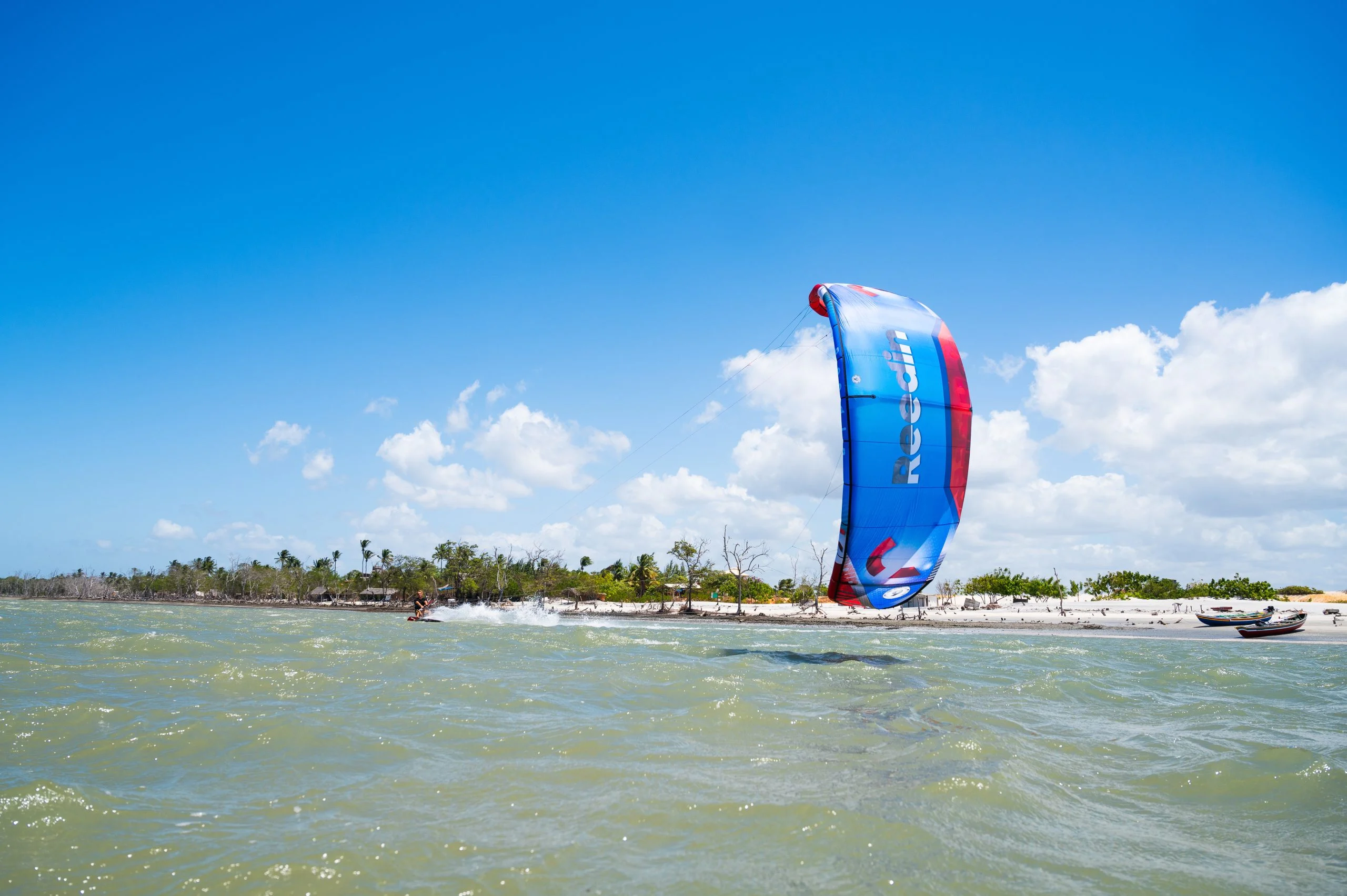
Did you know that improper gear is the primary reason progress stalls in kiteboarding? Different styles require specific techniques and specialized equipment. In this guide, we break down the main disciplines so you can make an informed choice and enjoy every minute on the water.
Freeride – The Freedom to Enjoy Every Moment
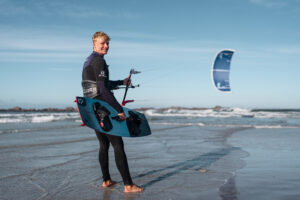
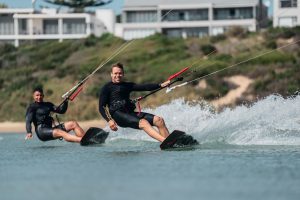
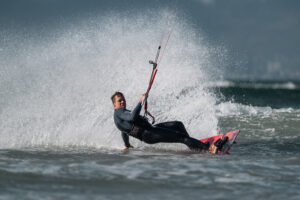
Freeride is the most popular kiteboarding style, focusing on cruising, smooth transitions, and pure riding pleasure. It is a discipline where you don’t need to master specific tricks—the focus is on comfort and maintaining control across various local wind conditions. The charm of freeriding lies in its versatility, allowing you to enjoy everything from flat water to light chop.
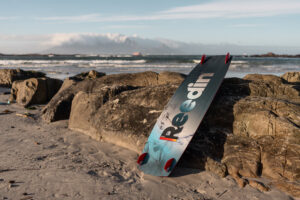
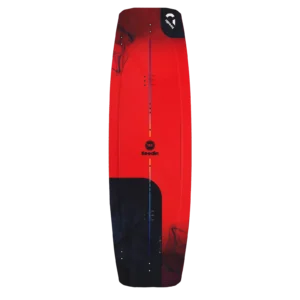
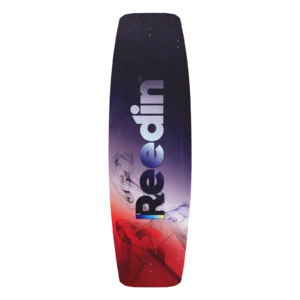
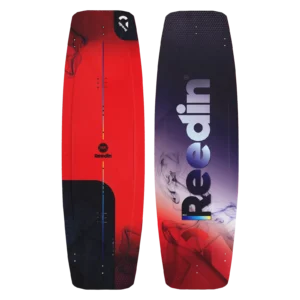
For this style, the best choice is intuitive gear with a wide wind range. Universal kites provide direct feedback and stability, which is critical for both beginners and intermediate riders. A classic twintip board is the ideal match, as it is forgiving, offers a smooth ride, and helps protect your knees in choppy water.
-
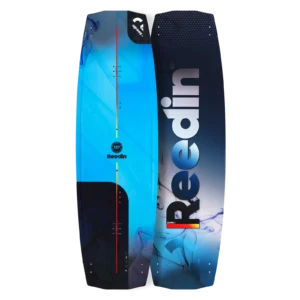
![REEDIN SUPER E 2026]()
![REEDIN SUPER E 2026]()
![REEDIN SUPER E 2026]()
![REEDIN SUPER E 2026]()
![REEDIN SUPER E 2026]()
![REEDIN SUPER E 2026]()
![REEDIN SUPER E 2026]()
![REEDIN SUPER E 2026]()
![REEDIN SUPER E 2026]()
![REEDIN SUPER E 2026]()
![REEDIN SUPER E 2026]()
![REEDIN SUPER E 2026]()
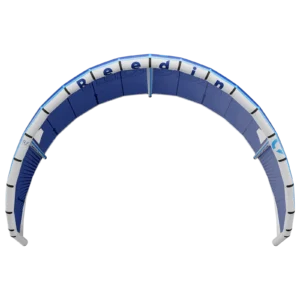
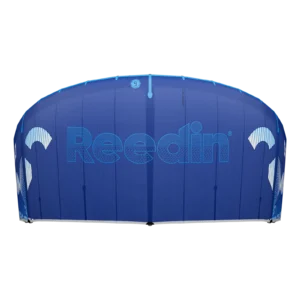
REEDIN SUPER E 2026
699.00€
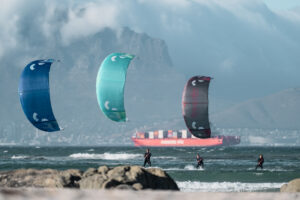
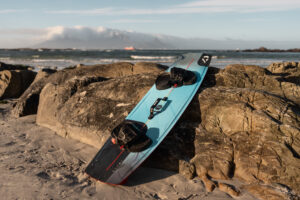
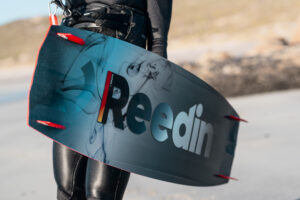
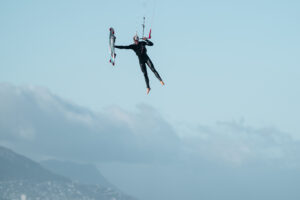
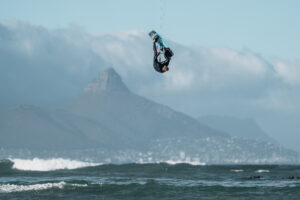
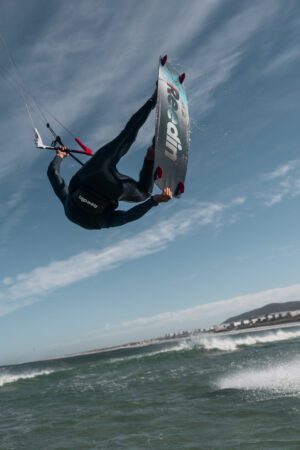
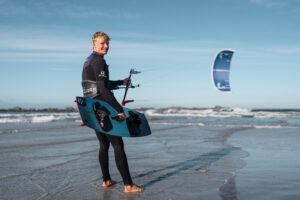
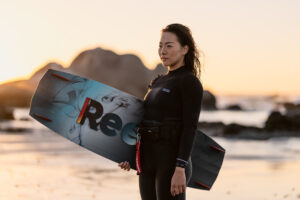
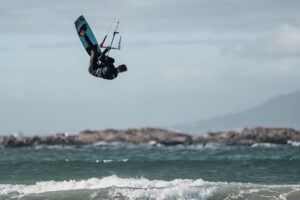
Big Air and Freestyle – Height and Technical Maneuvers
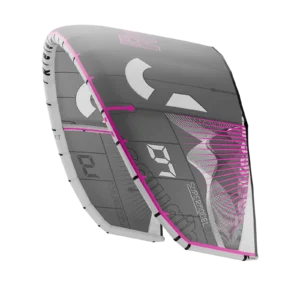
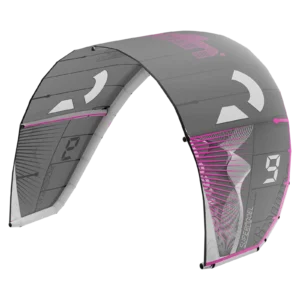
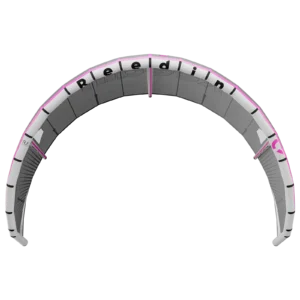
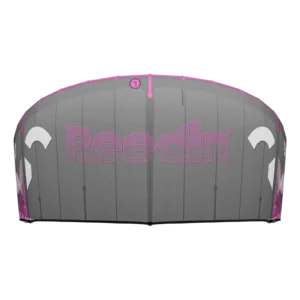
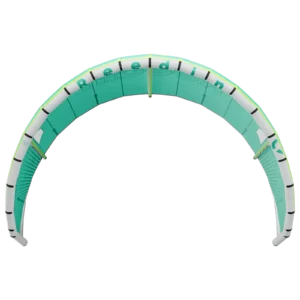
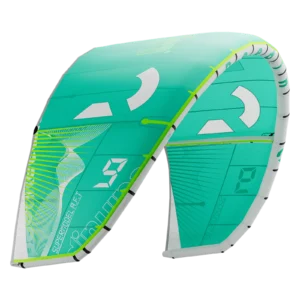
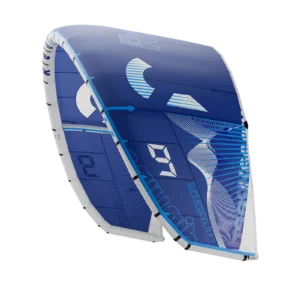
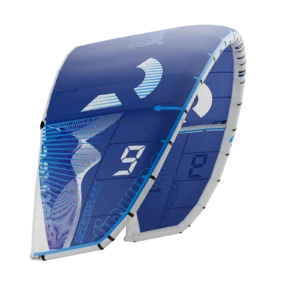
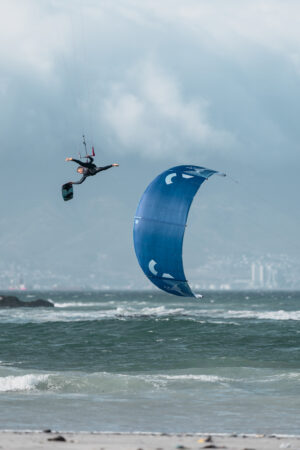
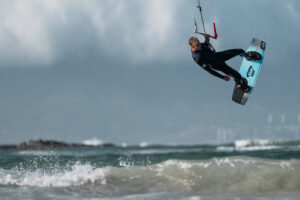
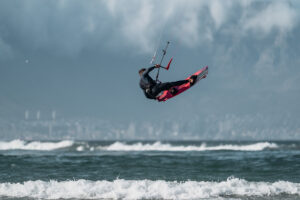
If your goal is to achieve maximum hangtime or perform complex technical maneuvers, your path leads to Big Air or Freestyle. Big Air focuses on jump height and extreme kite loops, where the kite is steered rapidly in a circle during the jump. This requires a kite that offers explosive lift and rock-solid stability in the air.
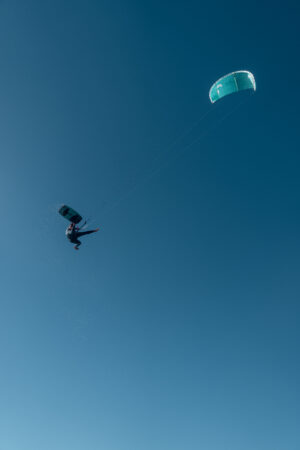
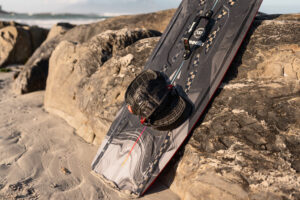
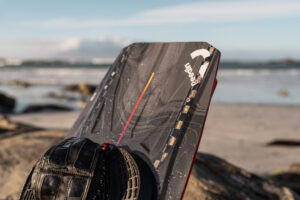
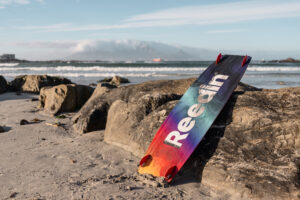
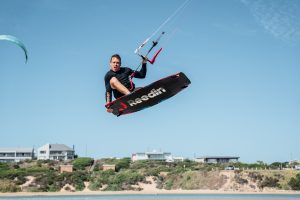
Freestyle, on the other hand, focuses on “unhooked” tricks—maneuvers where you unhook the chicken loop from your harness. This demands high precision in kite control and a board with significant “pop” (flex/spring) and reliable grip. Carbon fiber boards are often preferred here for their light weight and rapid response.
-
![REEDIN SPACE AGENCY 2026]()
![REEDIN SPACE AGENCY 2026]()
![REEDIN SPACE AGENCY 2026]()
![REEDIN SPACE AGENCY 2026]()
![REEDIN SPACE AGENCY 2026]()
![REEDIN SPACE AGENCY 2026]()
![REEDIN SPACE AGENCY 2026]()
![REEDIN SPACE AGENCY 2026]()
![REEDIN SPACE AGENCY 2026]()
![REEDIN SPACE AGENCY 2026]()
![REEDIN SPACE AGENCY 2026]()
![REEDIN SPACE AGENCY 2026]()
![REEDIN SPACE AGENCY 2026]()
![REEDIN SPACE AGENCY 2026]()
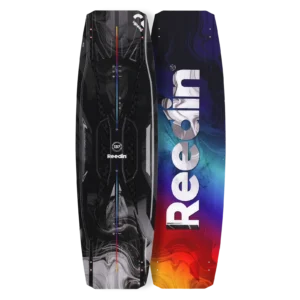
REEDIN SPACE AGENCY 2026
1,079.00€ -
![REEDIN KEVPRO 2026]()
![REEDIN KEVPRO 2026]()
![REEDIN KEVPRO 2026]()
![REEDIN KEVPRO 2026]()
![REEDIN KEVPRO 2026]()
![REEDIN KEVPRO 2026]()
![REEDIN KEVPRO 2026]()
![REEDIN KEVPRO 2026]()
![REEDIN KEVPRO 2026]()
![REEDIN KEVPRO 2026]()
![REEDIN KEVPRO 2026]()
![REEDIN KEVPRO 2026]()
![REEDIN KEVPRO 2026]()
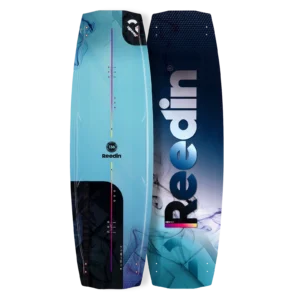
REEDIN KEVPRO 2026
829.00€
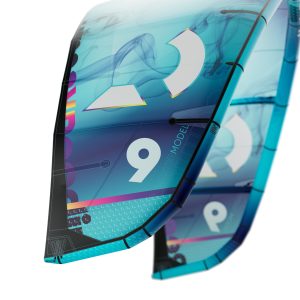
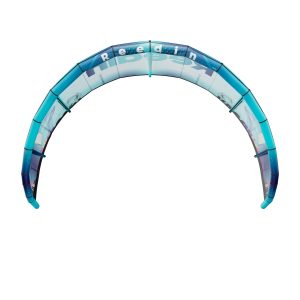
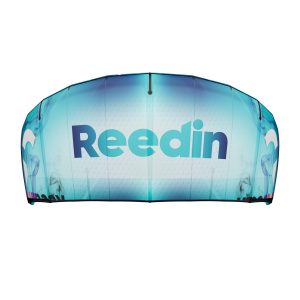
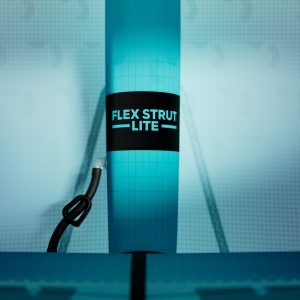
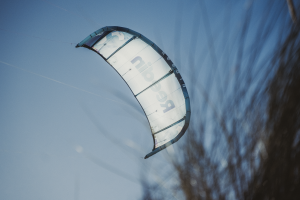
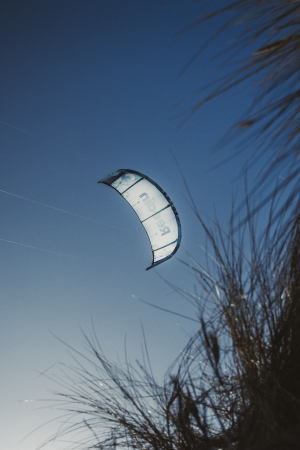
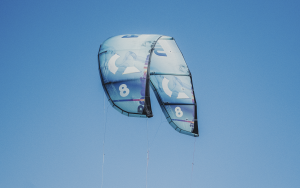
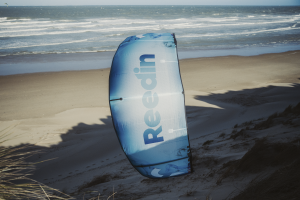
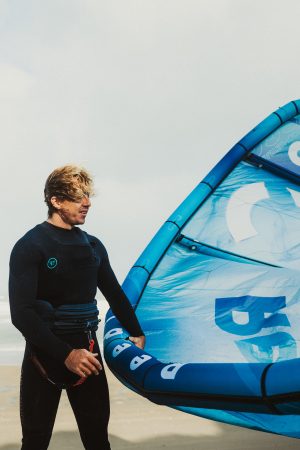
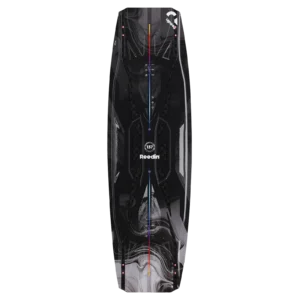
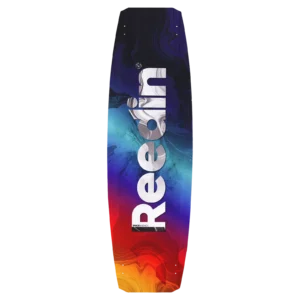
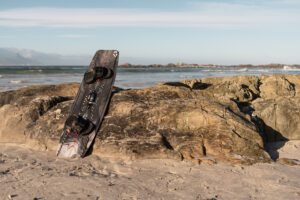
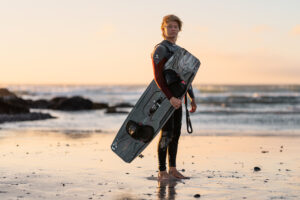
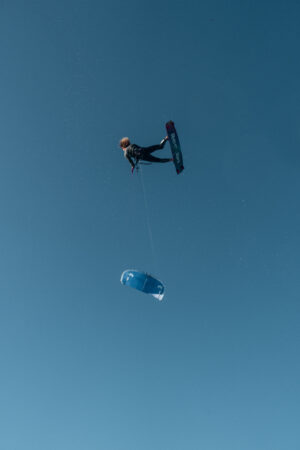
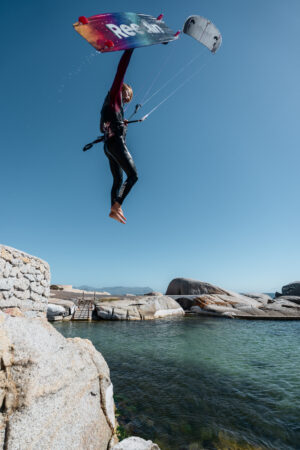
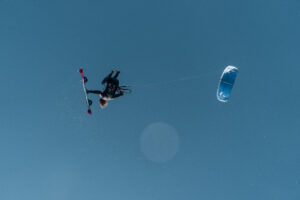
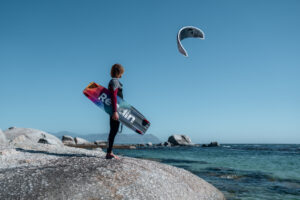
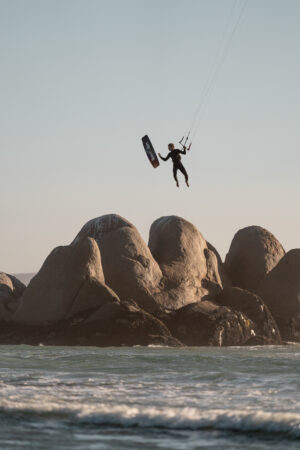
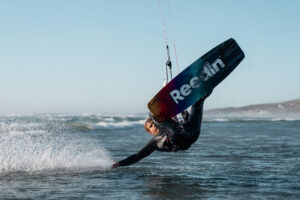
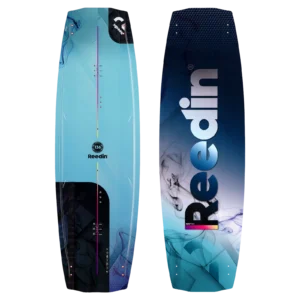
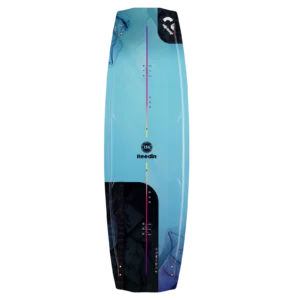
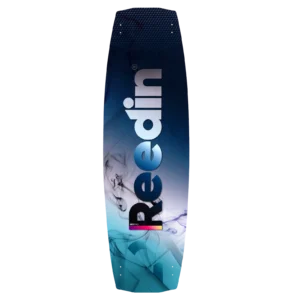
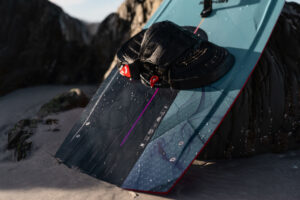
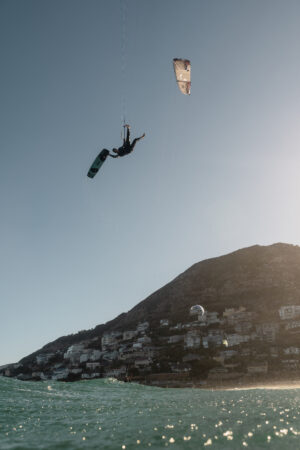
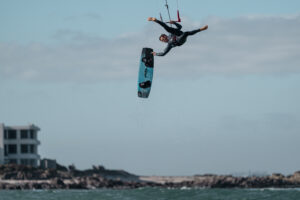
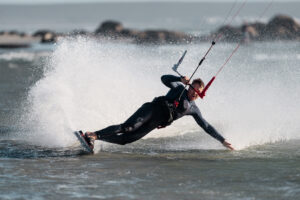
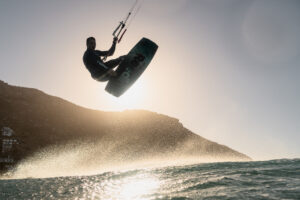
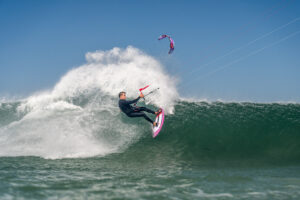
Wave Riding – The Sensation of Surfing with the Wind
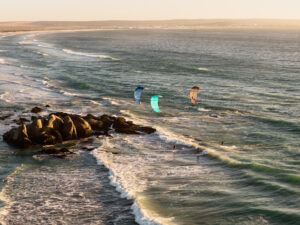
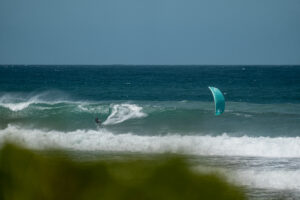
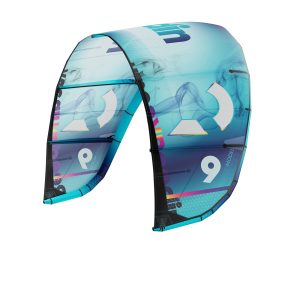
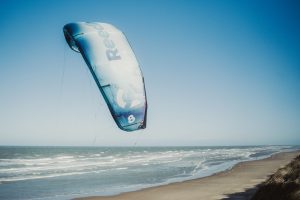
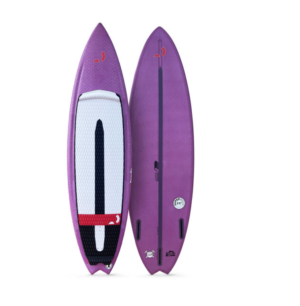
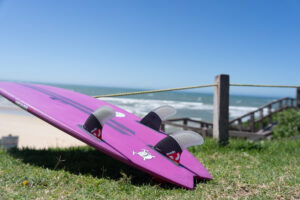
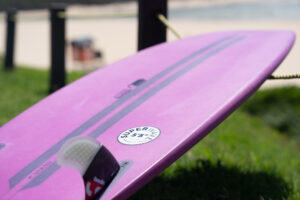
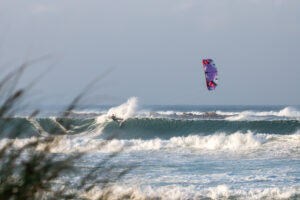
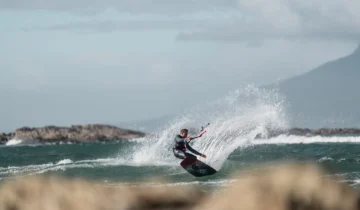
Wave riding (or kitesurfing) brings you into the surf, where the focus shifts to a pure surfing sensation. This style utilizes directional surfboards that are similar in shape to traditional surfboards. A critical factor here is the kite’s ability to “drift”—staying airborne even when you ride down the face of a wave toward the kite and the lines momentarily go slack.
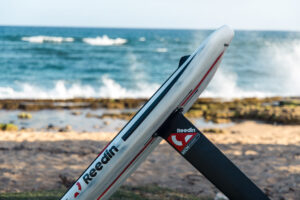
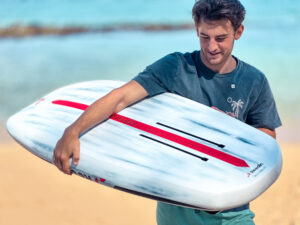
To make the right choice, it’s worth exploring specialized surfboards designed to withstand the higher loads and dynamic turns unique to kiteboarding. These boards typically feature reinforced construction to handle jumps and sharp carves in a dynamic wave environment.
-
![REEDIN SUPERWAVE 2025]()
![REEDIN SUPERWAVE 2025]()
![REEDIN SUPERWAVE 2025]()
![REEDIN SUPERWAVE 2025]()
![REEDIN SUPERWAVE 2025]()
![REEDIN SUPERWAVE 2025]()
![REEDIN SUPERWAVE 2025]()
REEDIN SUPERWAVE 2025
1,249.00€
Foil Riding – Efficiency and Silence
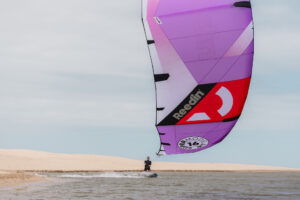
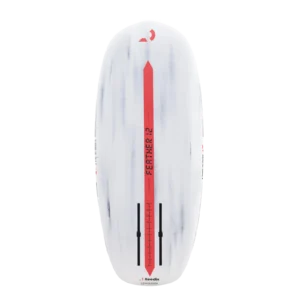
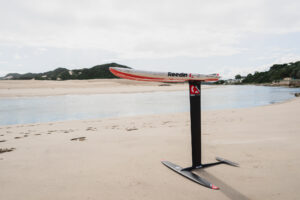
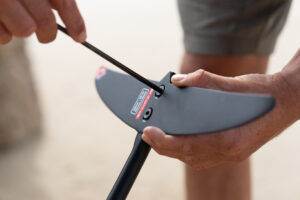
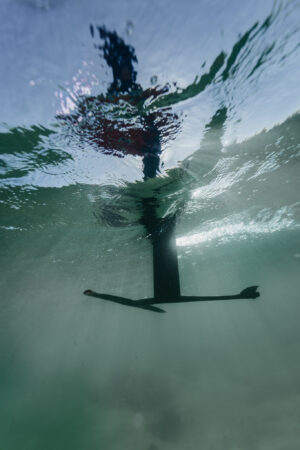
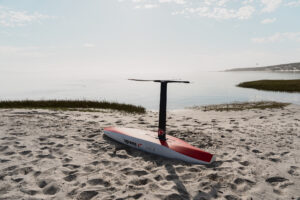
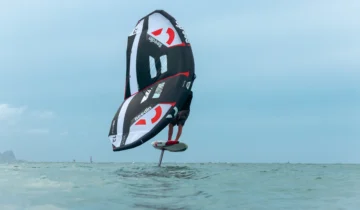
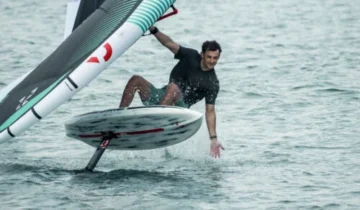
Kite foiling for beginners has been the biggest revolution in recent years, making it possible to ride in as little as 3–5 knots of wind. By using a hydrofoil, the board rises above the water’s surface, minimizing drag and providing incredible upwind capability. It is a near-silent and ultra-smooth way to move, opening up new opportunities during the light summer breezes common in the Baltic region.
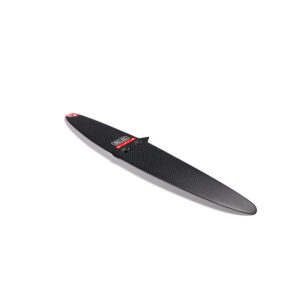
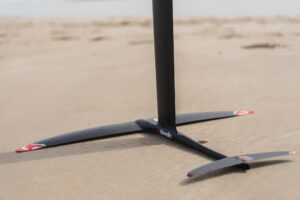
Foiling requires specialized equipment, including shorter foil boards and wing sets that ensure stability even at low speeds. For light-wind sessions, a dedicated lightweight kite is the best companion to stay airborne in the slightest breeze.
-
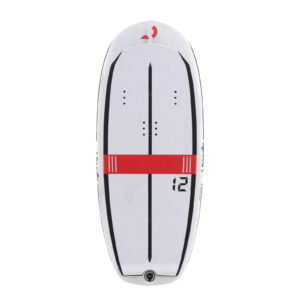
![Reedin FEATHER KF 2026]()
![Reedin FEATHER KF 2026]()
![Reedin FEATHER KF 2026]()
![Reedin FEATHER KF 2026]()
![Reedin FEATHER KF 2026]()
Reedin FEATHER KF 2026
1,599.00€ -
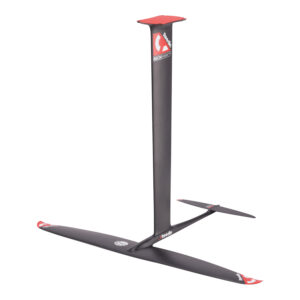
![Reedin EL CAPITANO 2026]()
![Reedin EL CAPITANO 2026]()
![Reedin EL CAPITANO 2026]()
![Reedin EL CAPITANO 2026]()
![Reedin EL CAPITANO 2026]()
![Reedin EL CAPITANO 2026]()
![Reedin EL CAPITANO 2026]()
![Reedin EL CAPITANO 2026]()
![Reedin EL CAPITANO 2026]()
Reedin EL CAPITANO 2026
Price range: 1,209.00€ through 1,895.00€
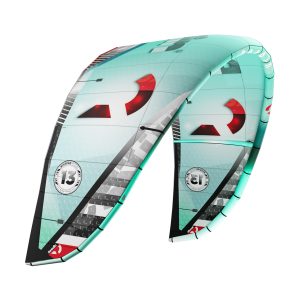
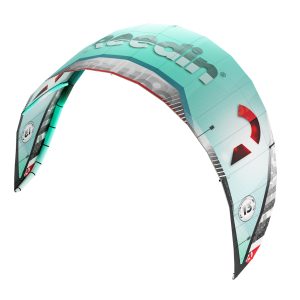
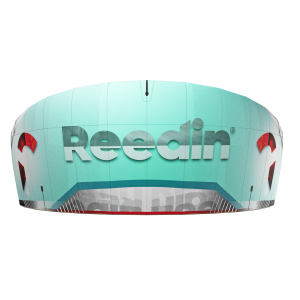
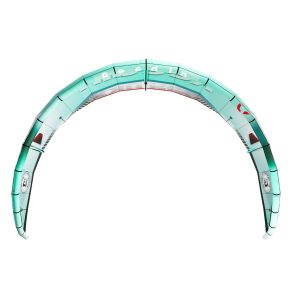
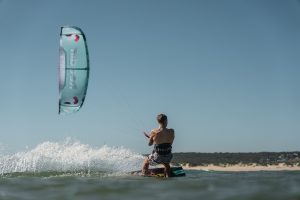
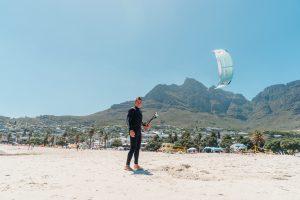
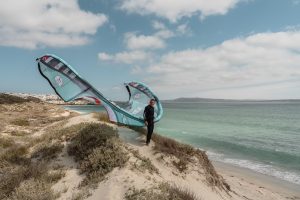
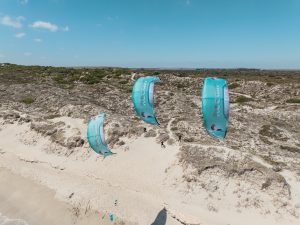
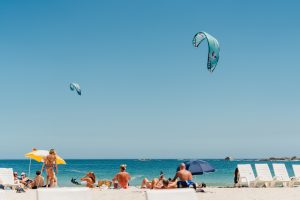
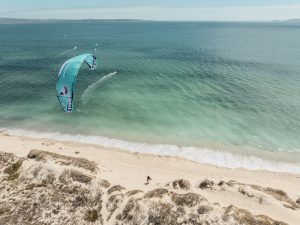
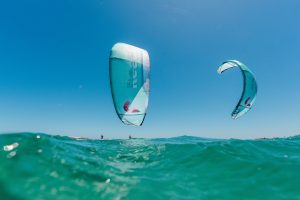
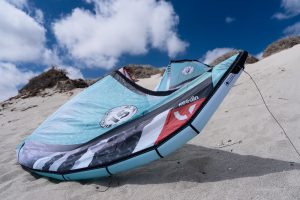
Technical Comparison: Kite Types
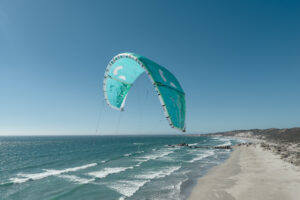
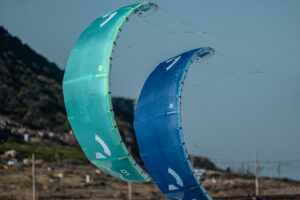
The shape of a kite directly determines its behavior and suitability for your skill level. Most modern kites belong to the LEI (Leading Edge Inflatable) family, but their geometry varies significantly.
- Bow and Delta Kites: These are the safest designs and the easiest to relaunch from the water. They feature a massive “depower” range—the ability to dump power instantly—making them the best choice for beginners and freeriders.
- C-Kites: Characterized by a deep arc and a lack of bridles. They offer the most direct feel and powerful pull but are difficult to relaunch and require advanced skills.
- Hybrid Kites: These combine the power of a C-kite with the safety features of a Bow kite, offering a balanced mix of stability and fast turning.
- Foil Kites (Ram-air): These have no inflatable bladders; the shape is maintained by air pressure inside cells. They are highly efficient in light winds and for racing but require specialized handling skills.
Board Types and Their Functions
Choosing the right board depends on your weight, preferred style, and experience level. Before purchasing, it is also wise to understand the principles of kite size selection, as the board and kite must work together as a balanced system.
- Twintip: A symmetrical board that can be ridden in both directions without switching feet. This is the standard gear for beginners and essential for learning kiteboarding tricks.
- Directional (Surfboard): A one-way board with a distinct nose and tail. It requires switching feet during turns but provides an authentic surfing feel.
- Foil Boards: Shorter boards, often with higher volume, designed for mounting a hydrofoil to facilitate taking “flight” from the water.
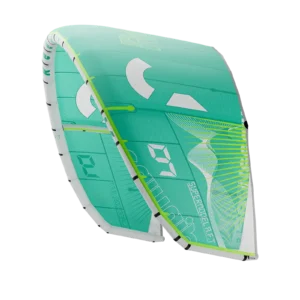
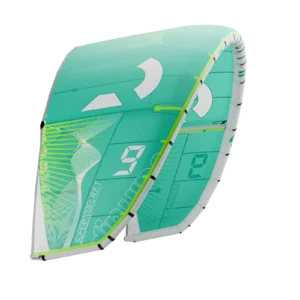
Watch how universal gear adapts to different conditions: SUPERMODEL HTF 2025 – Any discipline, all conditions – See why the right shape is the key factor.
How to Get Started Right
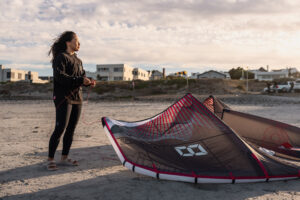
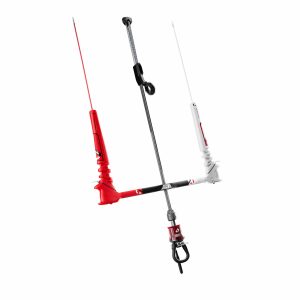
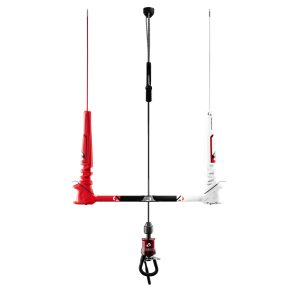
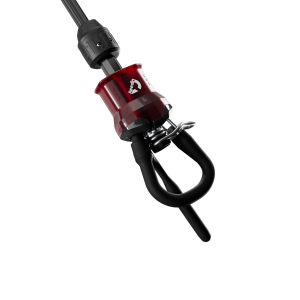
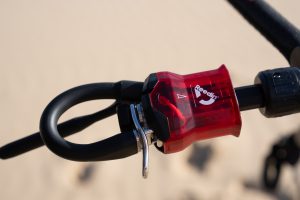
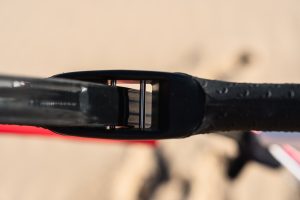
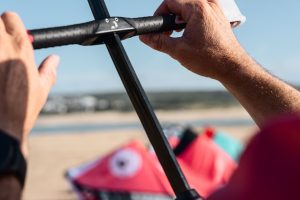
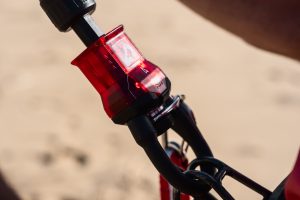
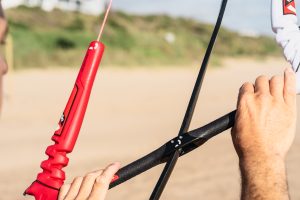
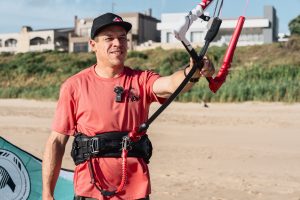
If you are just beginning your journey, your safest bet is a beginner kiteboarding gear package built around a universal kite and a twintip board. This gives you the freedom to explore various styles before specializing. Always keep kiteboarding safety in mind—a high-quality, well-maintained control bar is your primary safety guarantee on the water.
-
![REEDIN DREAMSTICK X 2026]()
![REEDIN DREAMSTICK X 2026]()
![REEDIN DREAMSTICK X 2026]()
![REEDIN DREAMSTICK X 2026]()
![REEDIN DREAMSTICK X 2026]()
![REEDIN DREAMSTICK X 2026]()
![REEDIN DREAMSTICK X 2026]()
![REEDIN DREAMSTICK X 2026]()
![REEDIN DREAMSTICK X 2026]()
![REEDIN DREAMSTICK X 2026]()
REEDIN DREAMSTICK X 2026
639.00€ -
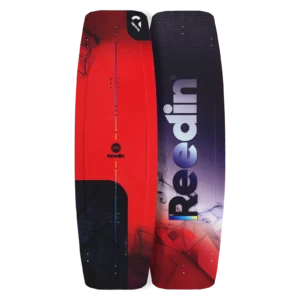
![REEDIN BIG E 2026]()
![REEDIN BIG E 2026]()
![REEDIN BIG E 2026]()
![REEDIN BIG E 2026]()
![REEDIN BIG E 2026]()
![REEDIN BIG E 2026]()
![REEDIN BIG E 2026]()
![REEDIN BIG E 2026]()
![REEDIN BIG E 2026]()
![REEDIN BIG E 2026]()
![REEDIN BIG E 2026]()
![REEDIN BIG E 2026]()
![REEDIN BIG E 2026]()
![REEDIN BIG E 2026]()
![REEDIN BIG E 2026]()
REEDIN BIG E 2026
699.00€
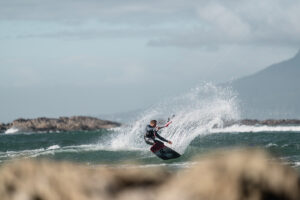
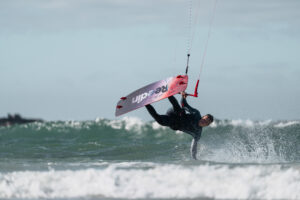
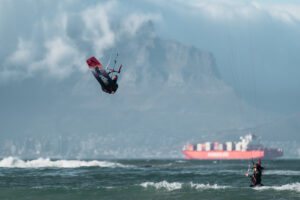
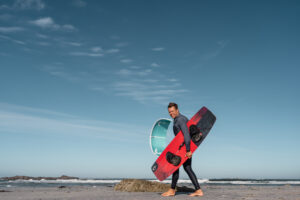
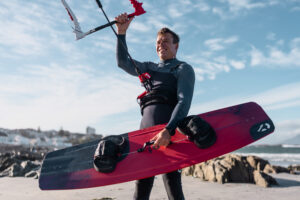
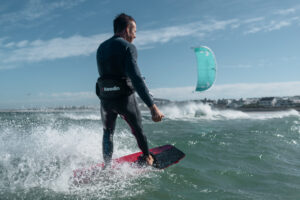
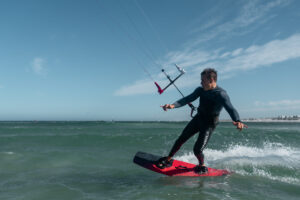
While your preferred style may evolve over time, high-quality and intuitive gear will always be the foundation of your success. Choose equipment that supports your progression and makes every session enjoyable. If you need help choosing a specific model, browse our kite category or ask our team for expert advice.
 No products in the basket.