




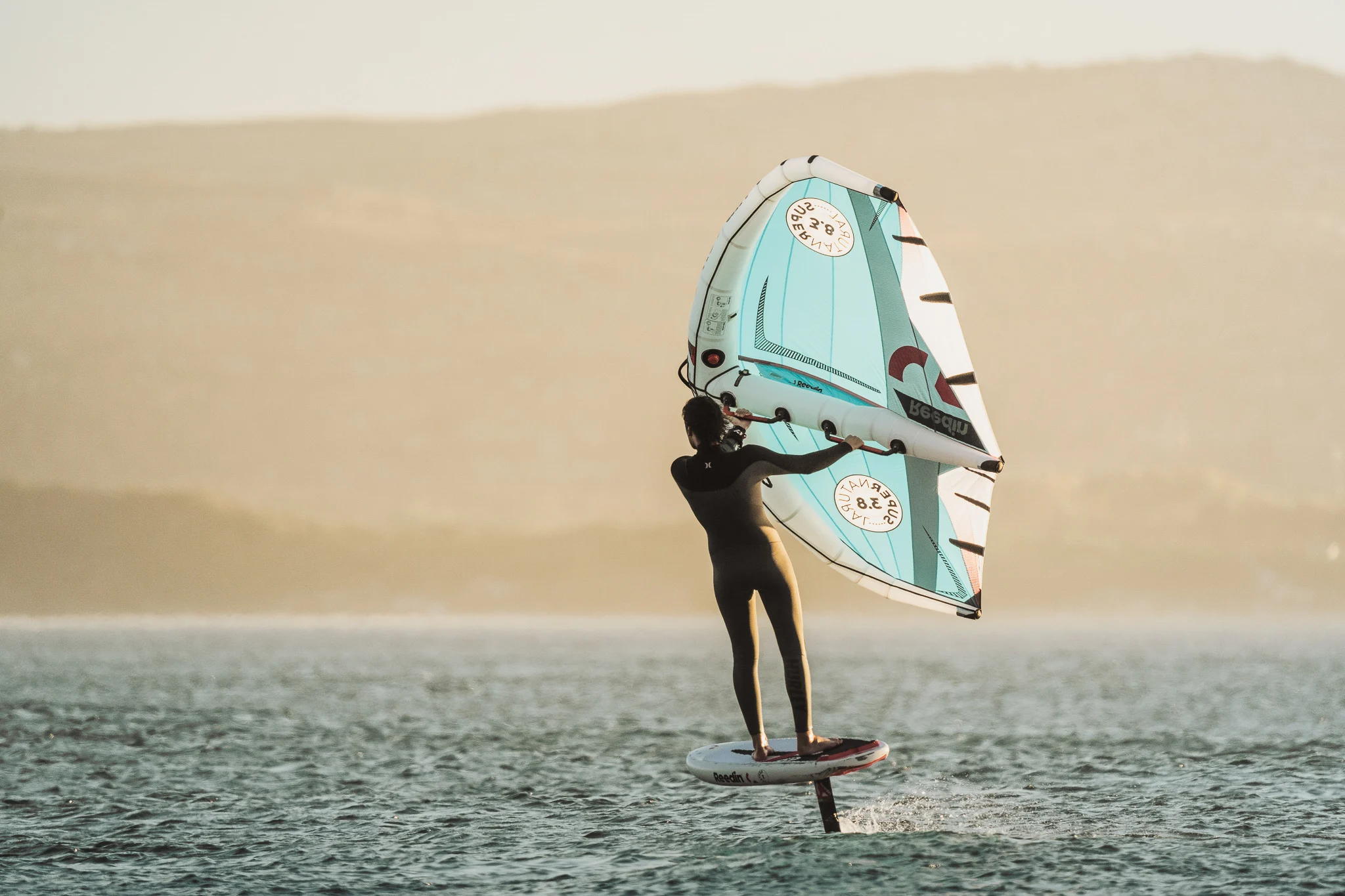
Dreaming of gliding silently above the water, but find the idea of handling a wing a bit daunting? The key to success lies in mastering fundamental drills and following a structured preparation plan. By taking a systematic approach, you can bypass hours of frustration and find your balance on the foil much faster.
Mastering Wing Control on Shore: Practice Before Hitting the Water
Before you head out for your first session, it is essential to master wing handling on the beach. Practicing on land saves you from the struggle of learning wing mechanics on an unstable surface. Choose a day with a steady breeze between 14–20 knots (7–10 m/s) and always keep the wing downwind of your body.
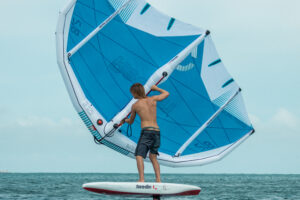
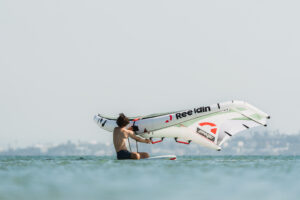
Start by focusing on the neutral position: hold the leading-edge handle with your front hand while letting your back hand hang free. In this position, the wing flags out like a wind vane, exerting no pull.
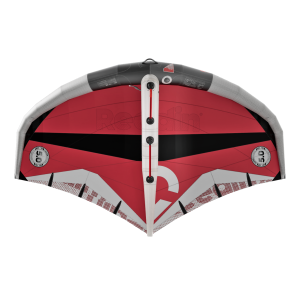
Next, practice “sheeting in” to generate power. Grasp the boom or the rear handles with your back hand and pull it toward you until the wing rises to roughly a 45-degree angle. This is where you’ll feel the wing’s lift and dynamics. It is equally important to practice “depowering”: simply release or push your back hand away, and the wing will instantly lose its pull. For beginners, stable wings are recommended, as they are more forgiving of erratic movements and provide a consistent pull.
-
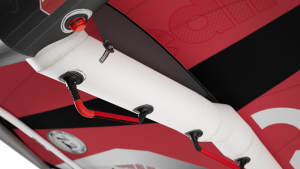
![REEDIN SUPERNATURAL 2025 Boom]()
![REEDIN SUPERNATURAL 2025 Boom]()
![REEDIN SUPERNATURAL 2025 Boom]()
![REEDIN SUPERNATURAL 2025 Boom]()
![REEDIN SUPERNATURAL 2025 Boom]()
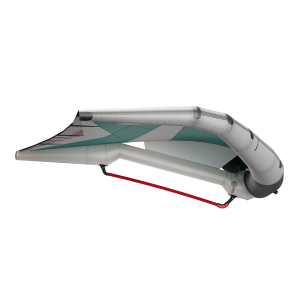
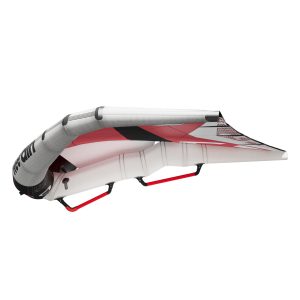
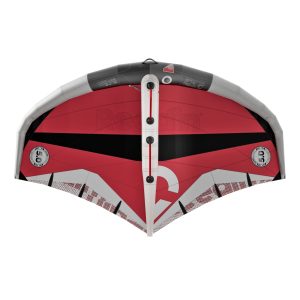
REEDIN SUPERNATURAL 2025 Boom
Price range: 969.00€ through 1,169.00€ -
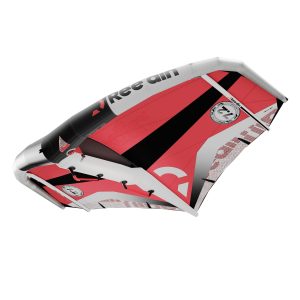
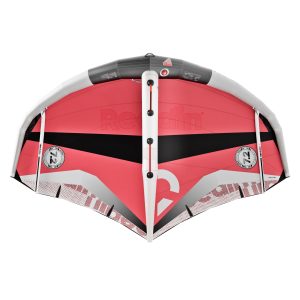
![REEDIN SUPERNATURAL 2025]()
![REEDIN SUPERNATURAL 2025]()
![REEDIN SUPERNATURAL 2025]()
![REEDIN SUPERNATURAL 2025]()
![REEDIN SUPERNATURAL 2025]()
![REEDIN SUPERNATURAL 2025]()
![REEDIN SUPERNATURAL 2025]()
![REEDIN SUPERNATURAL 2025]()
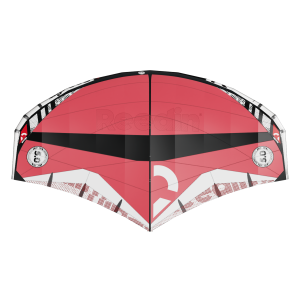
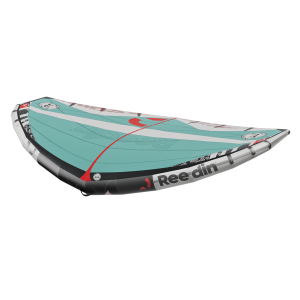
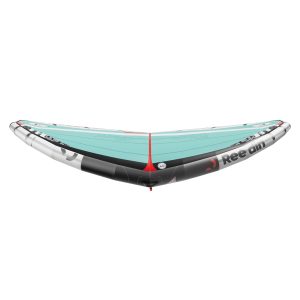
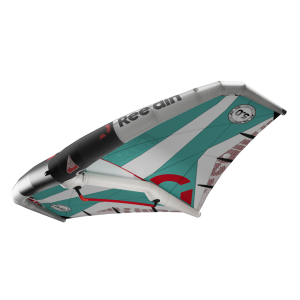
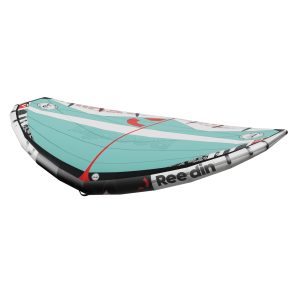
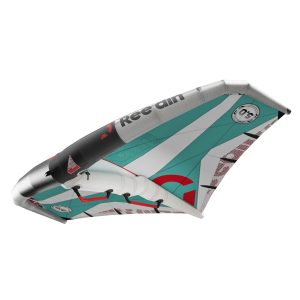
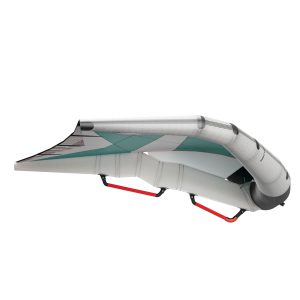
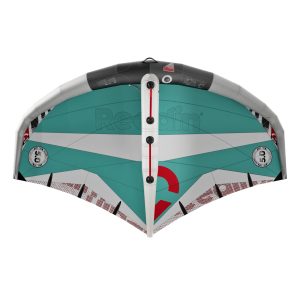
REEDIN SUPERNATURAL 2025
Price range: 849.00€ through 1,129.00€
Getting Wet: “Taxiing” and Your First Meters
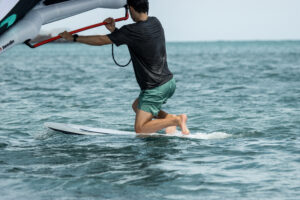
Once you are comfortable controlling the wing on land, it’s time to hit the water. Begin by practicing on your knees—a phase often called “taxiing.” This stage allows you to understand the relationship between the wing and the board without the added complexity of the foil’s lift.
Climb onto the board with the wing in the neutral position, keeping your knees centered along the board’s stringer. To start moving, raise the wing above your head, point the nose of the board slightly downwind, and engage your back hand.
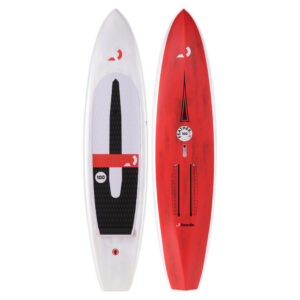
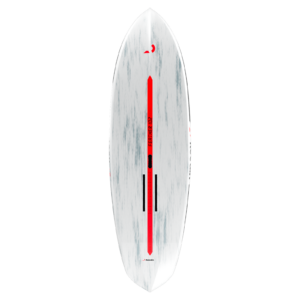
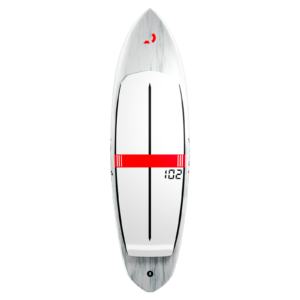
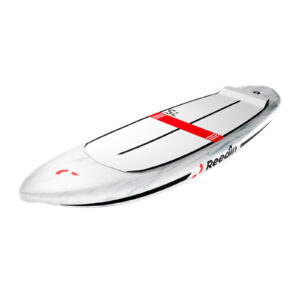
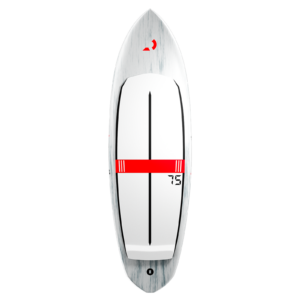
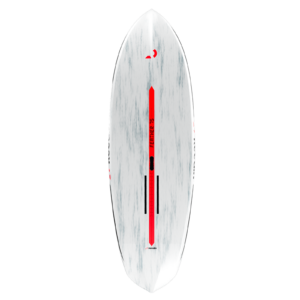
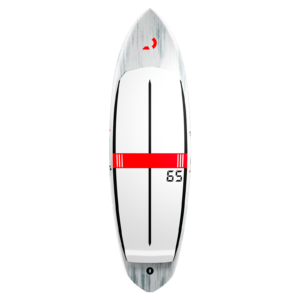
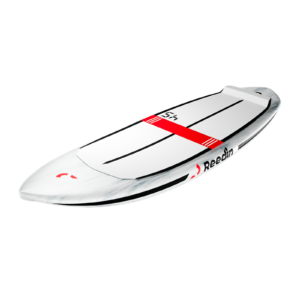
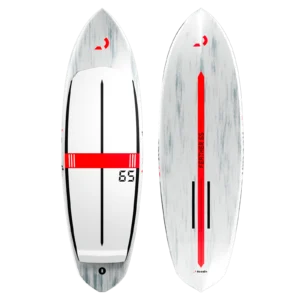
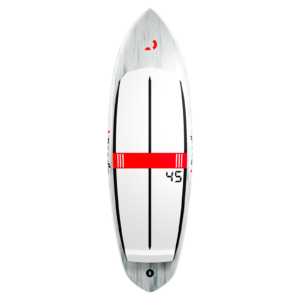
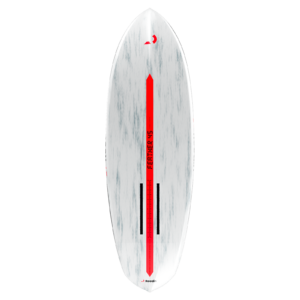
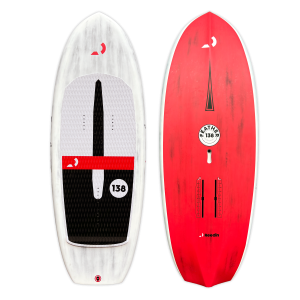
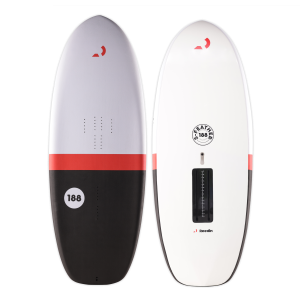
When the board is moving steadily and you have enough momentum, it’s time to stand up. Carefully bring your front foot forward and rise in a smooth, fluid motion. Keep a wide stance and maintain “soft” knees to absorb any chop. For these early attempts, high-volume foil boards are essential, as they provide the stability needed to stay upright before you are airborne.
-
![Reedin FEATHER LW 2026]()
![Reedin FEATHER LW 2026]()
![Reedin FEATHER LW 2026]()
Reedin FEATHER LW 2026
Price range: 1,699.00€ through 1,799.00€ -
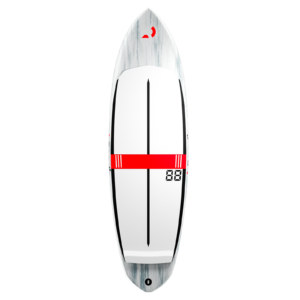
![Reedin FEATHER 2026]()
![Reedin FEATHER 2026]()
![Reedin FEATHER 2026]()
![Reedin FEATHER 2026]()
![Reedin FEATHER 2026]()
![Reedin FEATHER 2026]()
![Reedin FEATHER 2026]()
![Reedin FEATHER 2026]()
![Reedin FEATHER 2026]()
![Reedin FEATHER 2026]()
![Reedin FEATHER 2026]()
![Reedin FEATHER 2026]()
![Reedin FEATHER 2026]()
![Reedin FEATHER 2026]()
![Reedin FEATHER 2026]()
![Reedin FEATHER 2026]()
![Reedin FEATHER 2026]()
![Reedin FEATHER 2026]()
![Reedin FEATHER 2026]()
![Reedin FEATHER 2026]()
![Reedin FEATHER 2026]()
![Reedin FEATHER 2026]()
![Reedin FEATHER 2026]()
![Reedin FEATHER 2026]()
![Reedin FEATHER 2026]()
![Reedin FEATHER 2026]()
![Reedin FEATHER 2026]()
![Reedin FEATHER 2026]()
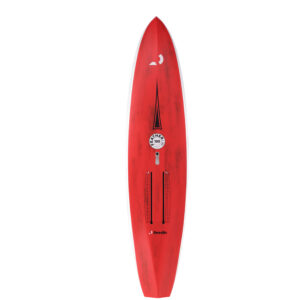
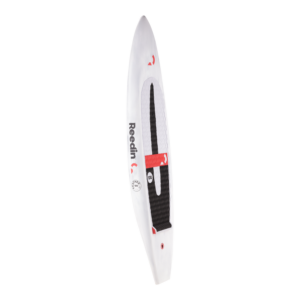
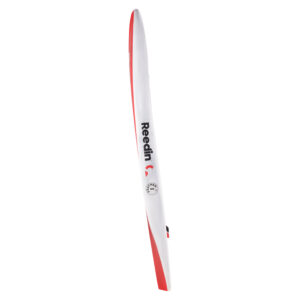
Reedin FEATHER 2026
Price range: 1,639.00€ through 1,789.00€
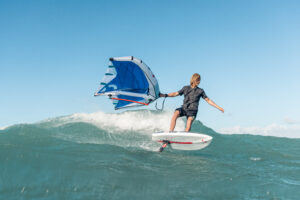
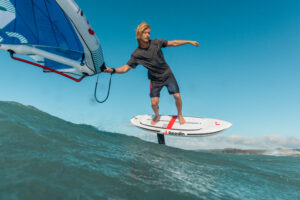
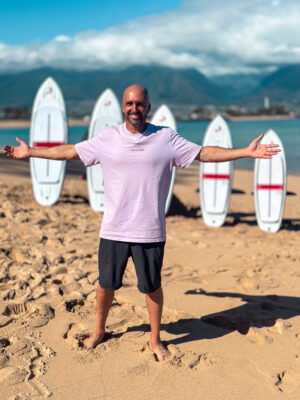

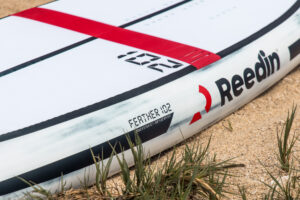
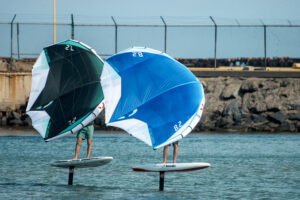
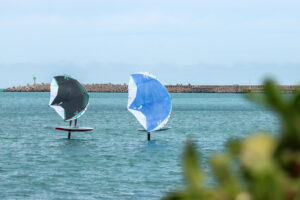
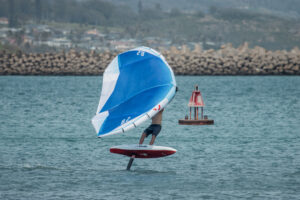

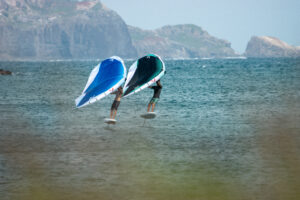
Balance and the Correct Stance
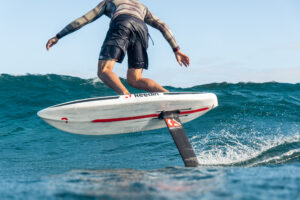
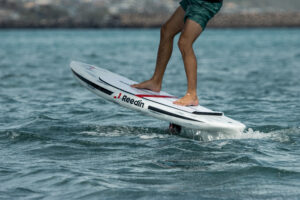
A common beginner mistake is staring down at your feet or the nose of the board, which disrupts your natural equilibrium. Instead, keep your eyes on the horizon; this allows your body to make micro-adjustments to its posture automatically.
Keep your feet shoulder-width apart, with your front foot pointing slightly forward and your back foot perpendicular to the board. Initially, keep your center of gravity over your front foot to prevent the foil from rising uncontrollably.
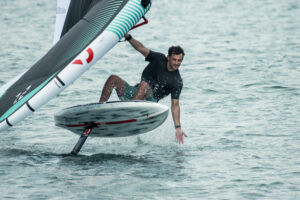
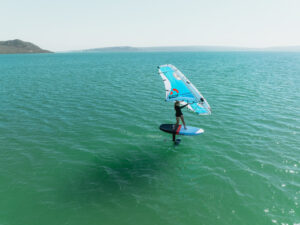
When you feel ready for your first flight, gently shift your weight to your back foot. Be prepared to lean forward again immediately if the board rises too sharply. Regarding your arms, avoid the “death grip”—relax your shoulders and use the wing for balance, much like a tightrope walker uses a pole. To make learning easier, choose foils with a larger surface area; these provide lift at low speeds and offer a more stable flight.
Safety and Navigating Local Conditions
When starting out in Estonian waters, you must account for gusty winds and cool temperatures, even in summer. Shallow coastal spots like Pärnu Bay or Tallinn’s Kopli are excellent for learning, but proper safety gear is non-negotiable. Always wear a wetsuit, booties, a helmet, and an impact vest. In spring, water temperatures can hover between 5–15 degrees, making the risk of hypothermia very real.
For your safety, ensure both the board and the wing are attached to you with high-quality leashes. When you fall—and you will—technique is key: let go of the wing immediately and try to fall away from the board (preferably backward) to avoid contact with the sharp foil. If you want to progress quickly under expert supervision, a professional wingfoil training session is the most effective way to start.
-
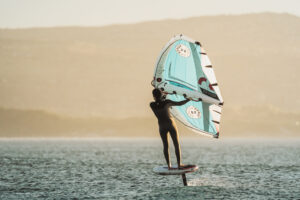
![Tiivasurfi koolitus]()
![Tiivasurfi koolitus]()
![Tiivasurfi koolitus]()
![Tiivasurfi koolitus]()
![Tiivasurfi koolitus]()
![Tiivasurfi koolitus]()
![Tiivasurfi koolitus]()
![Tiivasurfi koolitus]()
![Tiivasurfi koolitus]()
![Tiivasurfi koolitus]()
Tiivasurfi koolitus
Price range: 210.00€ through 1,620.00€ -
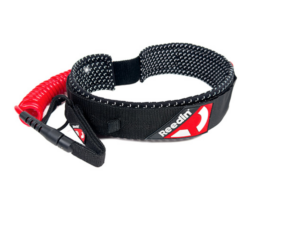
Wing-waist leash
61.00€
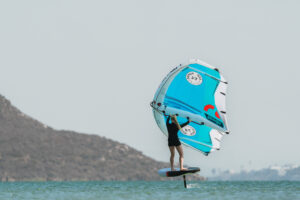
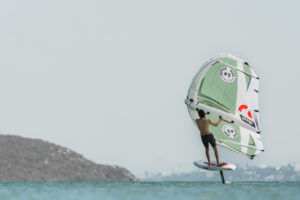
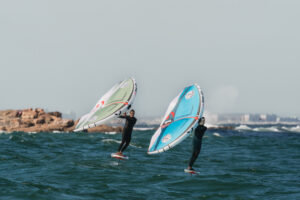
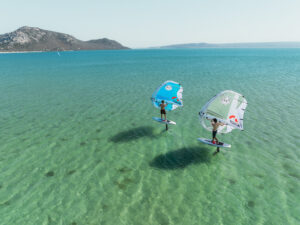
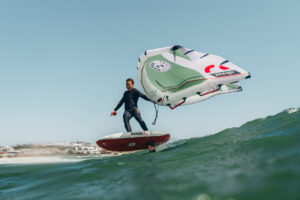
Systematic practice and the right gear are your shortcut to success. You can find everything you need for your first steps and beyond in our wing collection. Start with these basic exercises today, and you’ll be enjoying the sensation of flight before you know it.
 No products in the basket.