




There is nothing worse than unzipping your kite bag after a long-haul flight only to find a cracked valve or a tear in the canopy. While transit can be rough, most equipment damage is the result of poor packing rather than baggage handling. With a little preparation, you can ensure your gear arrives at your destination in the same condition it left.
Preparation: The Importance of Cleaning and Drying
The packing process begins long before you reach for your bag. Before stowing your gear, ensure your kite is completely dry and free of debris. Packing a damp kite is a recipe for disaster; trapped moisture leads to mildew and can cause canopy delamination, particularly in humid or tropical climates.
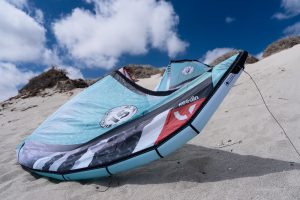
Sand is equally hazardous. It acts as an abrasive, grinding against the delicate fabric and stitching as the bag shifts during transport. If you are preparing for a long trip or shipping your gear, rinse your kite with fresh water to remove salt crystals, which are hygroscopic (they naturally attract moisture). Always dry your kite in the shade; excessive heat from direct sunlight can weaken the adhesive on the valves. If you must pack up on the beach, use a soft brush to sweep away as much sand as possible and ensure the bladders are fully deflated.
-
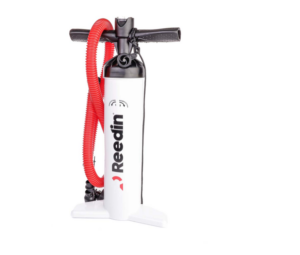
Reedin super pump
49.95€
Packing Technique: Roll, Don’t Fold
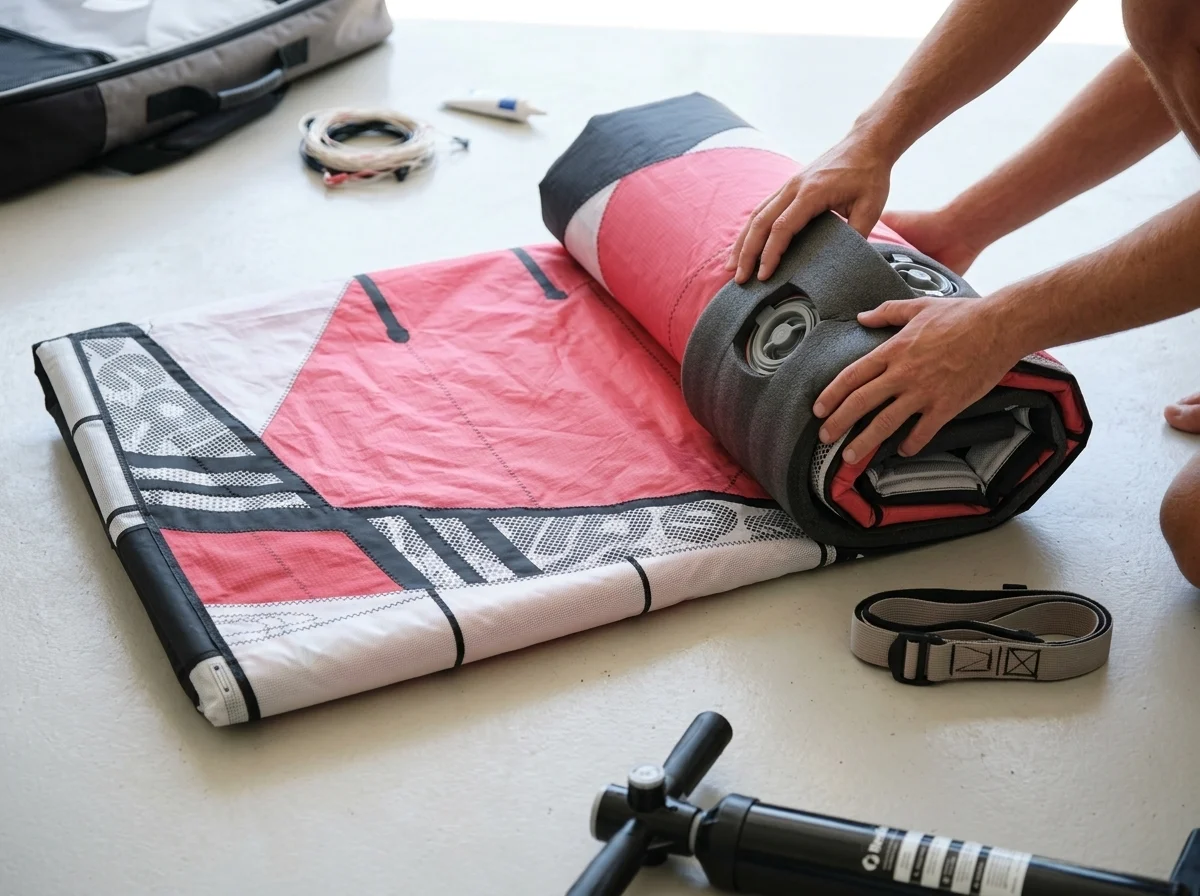
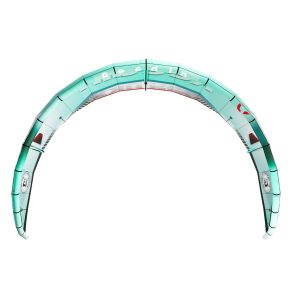
How you fold your kite determines the lifespan of its internal bladders and valves. Start by fully deflating the kite and turning it inside out to protect the more sensitive inner side and the leading edge. The “Golden Rule” of kite travel is to roll the kite tightly from the wingtips toward the center. Avoid sharp folds near the struts, as these create stress points that can lead to leaks. A tight roll prevents the fabric from shifting, which significantly reduces friction-related wear inside the bag.
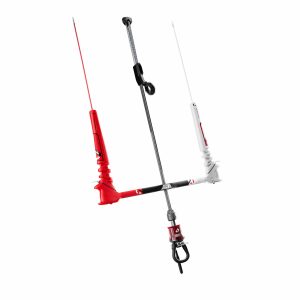
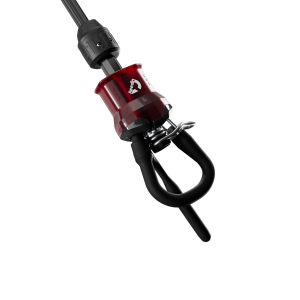
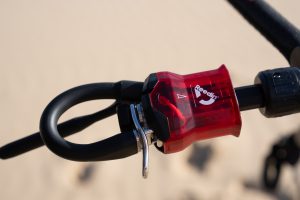
Pay close attention to the valves and the bridle system. These are the most vulnerable components during transit. To prevent valves from snapping under external pressure, consider shielding them with soft foam or small sections of PVC tubing. Control bars and lines should always be packed in a separate compartment or bag to prevent the bar ends from puncturing the canopy or the lines from becoming a tangled mess.
-
![REEDIN DREAMSTICK X 2026]()
![REEDIN DREAMSTICK X 2026]()
![REEDIN DREAMSTICK X 2026]()
![REEDIN DREAMSTICK X 2026]()
![REEDIN DREAMSTICK X 2026]()
![REEDIN DREAMSTICK X 2026]()
![REEDIN DREAMSTICK X 2026]()
![REEDIN DREAMSTICK X 2026]()
![REEDIN DREAMSTICK X 2026]()
![REEDIN DREAMSTICK X 2026]()
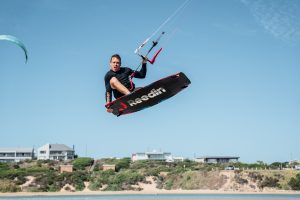
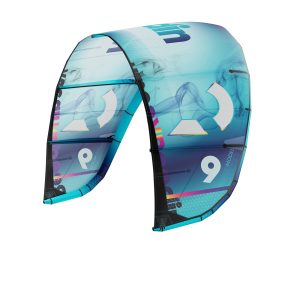
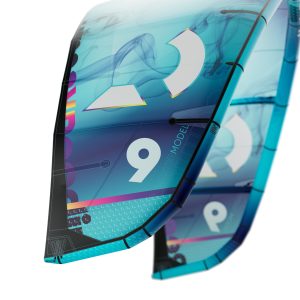
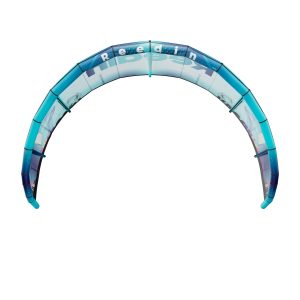
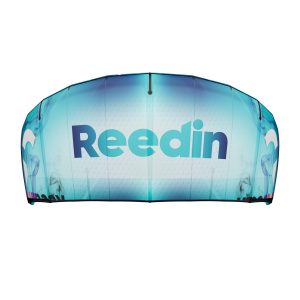
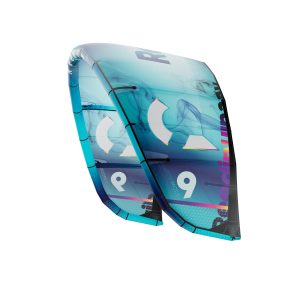
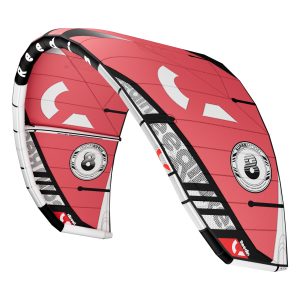
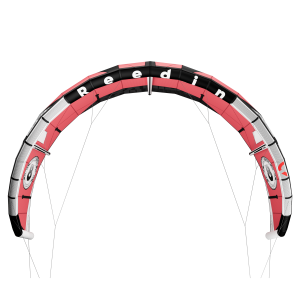
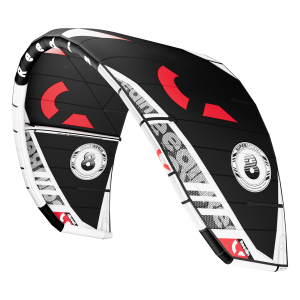
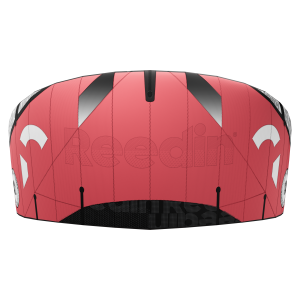
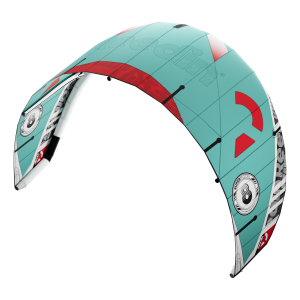
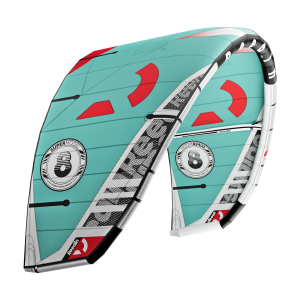
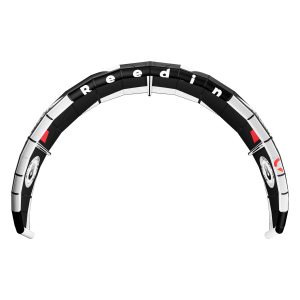
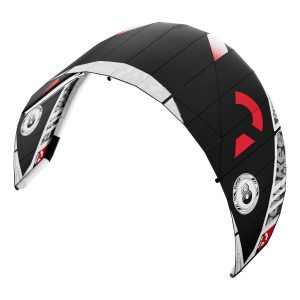
REEDIN DREAMSTICK X 2026
639.00€

Choosing a Travel Bag and Navigating Airline Restrictions
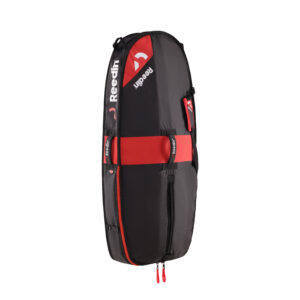
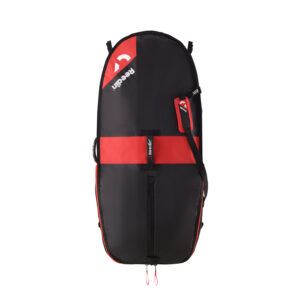
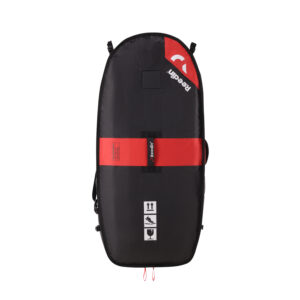
A high-quality, padded boardbag is the best insurance policy for your gear. For air travel, select a bag with enough structural padding to protect both your boards and your kites.
Weight and dimensions are critical when flying. Most major carriers—including Delta, United, and American Airlines—typically accept sports equipment up to 23 kg (50 lb) and 292 cm (115 linear inches). Exceeding these limits can result in hefty oversize fees, often ranging from 100 to 200 euros per leg.
To maximize protection:
- Always remove the fins from your boards and store them in a dedicated pocket.
- Place the most fragile items in the center of the bag, using softer gear (like wetsuits or kites) as a buffer against impact.
- Toss a few silica gel packets into the bag to absorb any residual moisture during the flight.
-
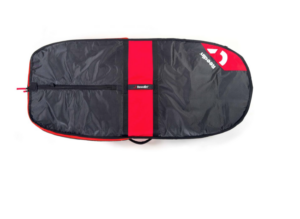
Feather Boardbag
Price range: 89.00€ through 199.00€ -
![Feather Boardbag 2024]()
![Feather Boardbag 2024]()
Feather Boardbag 2024
Price range: 149.00€ through 199.00€
Logistics: Airlines and Courier Services
Airline policies regarding kitesurfing gear can change frequently, so always double-check the specific rules for your carrier before heading to the airport. Most airlines treat kite gear as standard checked luggage if it fits within weight limits, provided all sharp components (like fins) are removed. We also recommend taking photos of your gear during the packing process and keeping your receipts handy in case you need to file an insurance claim for lost or damaged luggage.
If you need to send your equipment abroad without traveling yourself, a reliable courier service is the way to go. Reedin Baltics offers fast DPD shipping, which is a proven, safe method for transporting high-value gear. When shipping via courier, use a sturdy, double-walled cardboard box. Ensure all excess air is removed from the kite and use plenty of bubble wrap. Clearly mark the package with “Fragile” and “Keep Dry” labels to ensure handlers treat your equipment with the necessary care.
















Proper packing and the right bag will save you from expensive repairs and ensure your trip doesn’t end before your first session. If you need help selecting a travel bag or want to upgrade your kite collection with more durable gear, browse our selection or consult our experts to find the perfect setup for your next adventure.
 No products in the basket.