




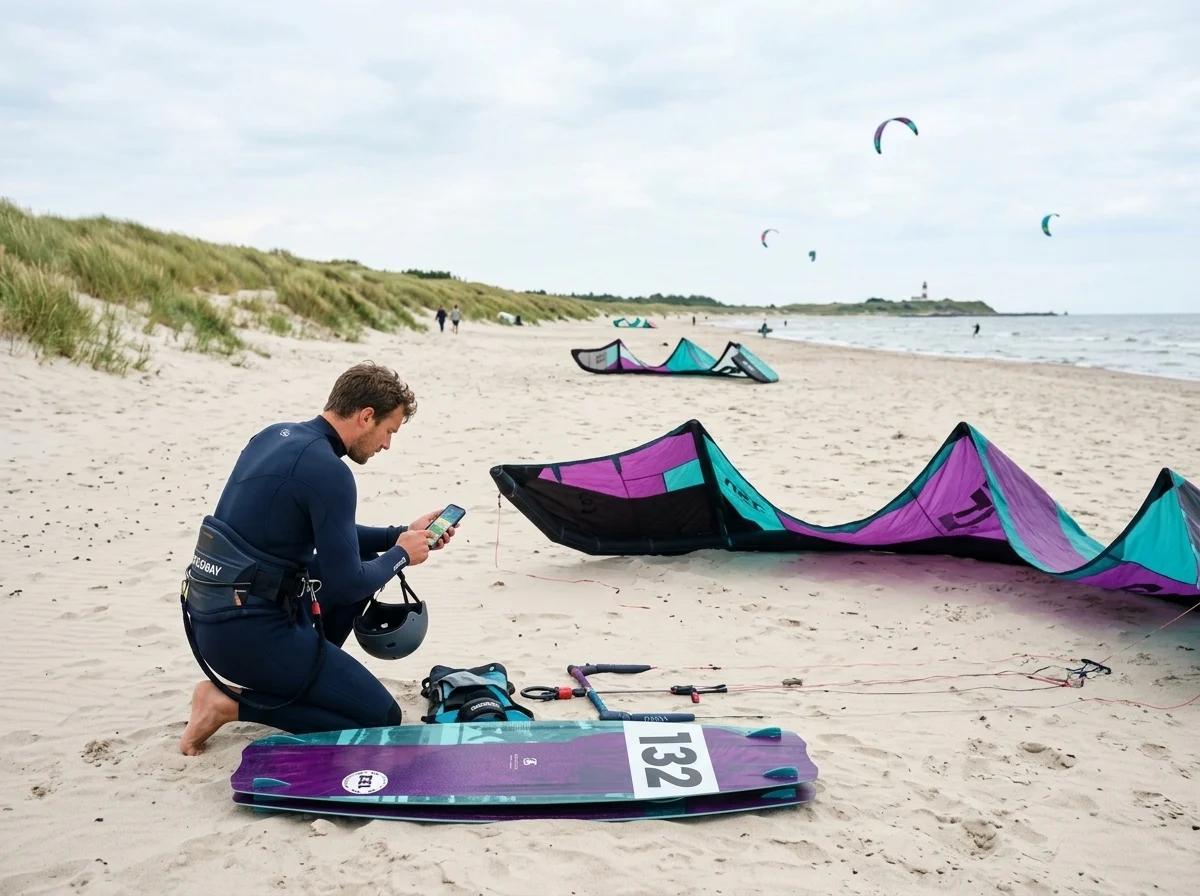
Did you know that choosing the wrong wind direction is one of the most common reasons kitesurfers find themselves in trouble? A safe and successful session starts long before you pull on your wetsuit; it begins with the ability to read the elements and interpret weather forecasts with precision.
Wind Direction: The Ultimate Safety Factor
The direction of the wind relative to the shoreline is the single most important factor in determining whether your session will be a dream or a dangerous drift.
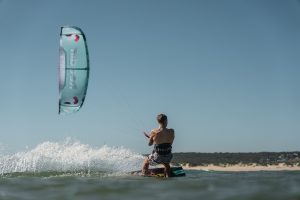
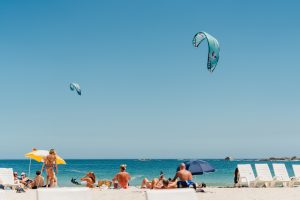
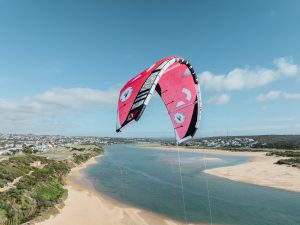
- Side-onshore: This is the gold standard for safety. Blowing diagonally toward the beach, this wind direction ensures you will always be brought back to shore, providing the stability needed for both beginners and advanced riders.
- Side-shore: Blowing parallel to the beach, this is ideal for experienced kiters. It allows for long runs perpendicular to the shore without the risk of being pushed onto the sand.
- Onshore: When the wind blows directly from the sea to the land, it becomes significantly more challenging. Beginners often struggle to gain ground because the kite tends to “overfly” its arc, and waves can wash you back onto the beach.
- Offshore: This is a life-threatening direction for any kiter. If the wind is blowing away from land, any equipment failure or minor mistake will result in you being swept into the open sea. Always avoid offshore winds unless there is guaranteed professional boat rescue on-site.
If you aren’t yet confident in assessing local conditions, it is highly recommended to complete a kitesurfing course, where you will learn to evaluate spots and wind directions according to IKO safety standards.
Wind Strength and Quality
The “sweet spot” for kitesurfing generally falls between 12 and 25 knots. For beginners, the ideal range is 12–22 knots—enough power to keep you planing, but not so much that the kite becomes unmanageable.
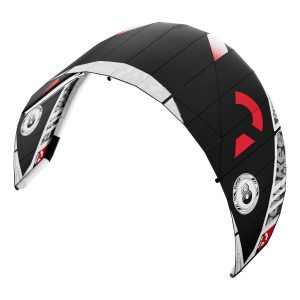
However, wind quality is just as vital as raw speed. “Gusty” wind—where the gap between average speed and maximum gusts exceeds 5 knots—makes a kite’s behavior erratic and unpredictable. “Clean,” stable wind offers a much smoother, safer experience. For those light-wind days (4–10 knots), specialized gear is essential to make the most of the conditions.

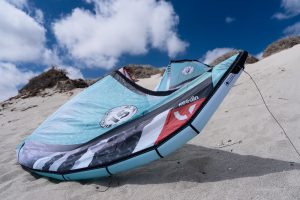
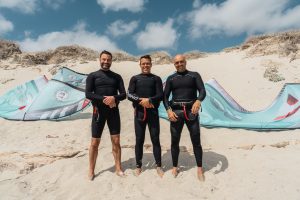
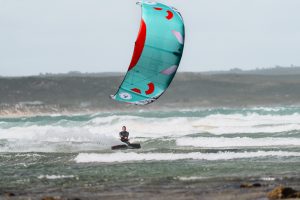
Navigating Local Geography: Turbulence and Wind Shadows
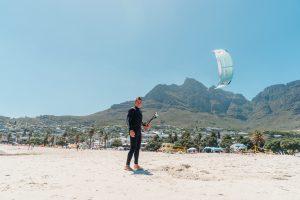
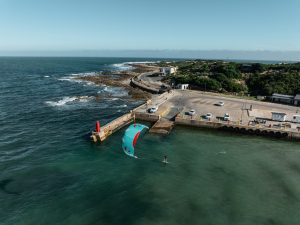
Even a perfect forecast can be ruined by local obstacles. Buildings, trees, and dunes create “wind shadows” and turbulence (dirty air), which makes launching and landing dangerous.
A good rule of thumb is the 1:7 ratio: if an obstacle is 10 meters high, the resulting turbulence can extend up to 70 meters downwind. When choosing a spot, ensure you have at least 50–100 meters of clear space for launching and that no hazards or bystanders are within a 300-meter radius downwind. Furthermore, prioritize beaches with a smooth, sandy bottom and avoid areas with sharp rocks or coastal infrastructure. On wide beaches during light winds, high-volume boards can help you plane earlier and maintain stability.
-
![REEDIN GOOD DAY 2025]()
![REEDIN GOOD DAY 2025]()
![REEDIN GOOD DAY 2025]()
![REEDIN GOOD DAY 2025]()
![REEDIN GOOD DAY 2025]()
![REEDIN GOOD DAY 2025]()
![REEDIN GOOD DAY 2025]()
![REEDIN GOOD DAY 2025]()
![REEDIN GOOD DAY 2025]()
![REEDIN GOOD DAY 2025]()
![REEDIN GOOD DAY 2025]()
![REEDIN GOOD DAY 2025]()
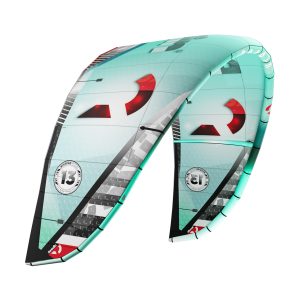
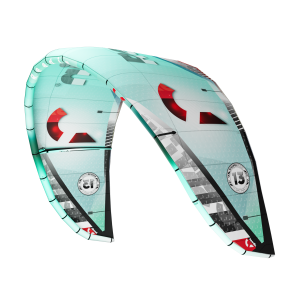
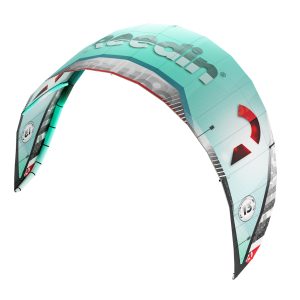
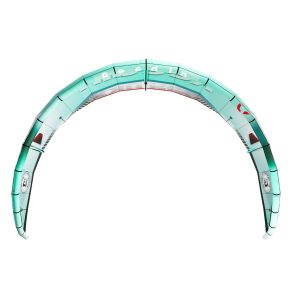
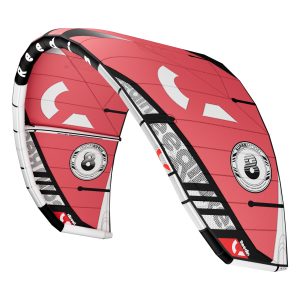
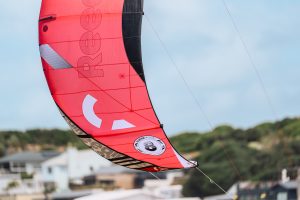
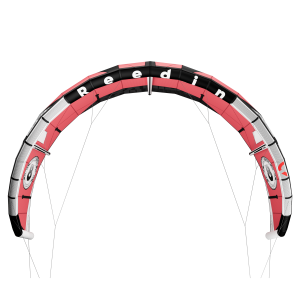
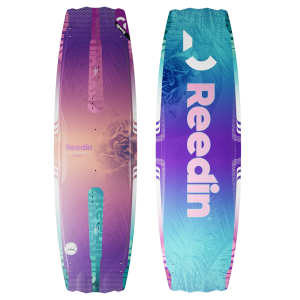
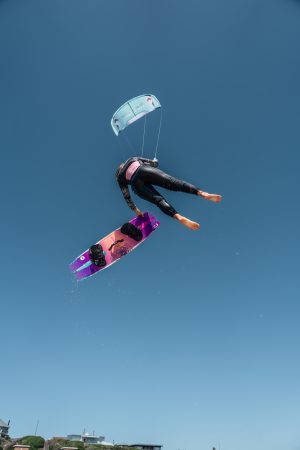
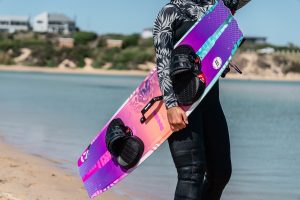
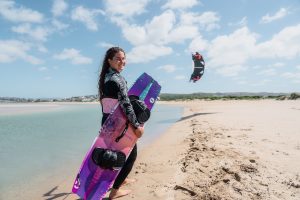
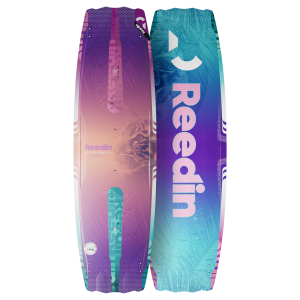
REEDIN GOOD DAY 2025
699.00€

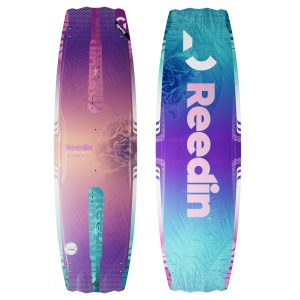
How to Read a Forecast Like a Pro
To get the most accurate picture, use apps like Windguru or Windy and compare different meteorological models, such as GFS and WRF. Pay close attention to the “gust” column—if there is a significant delta between the base wind and the gusts, proceed with caution.
Once at the beach, look for visual cues. “Whitecaps” on the water generally indicate wind speeds of at least 10–12 knots. Be hyper-aware of your surroundings: if you see a dark wall of clouds or feel a sudden, sharp drop in temperature, land your kite immediately. Thunderstorms and cold fronts can cause wind speeds to double in seconds and trigger drastic shifts in direction.
Before heading out, it is always helpful to see what size kites other riders are rigging. You can also research how specialized gear performs in challenging conditions—for example, our insights on testing the Hypermodel in 30-knot winds.
Safety Gear and Pre-Flight Inspection
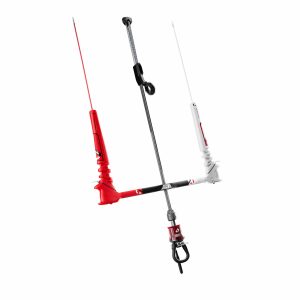
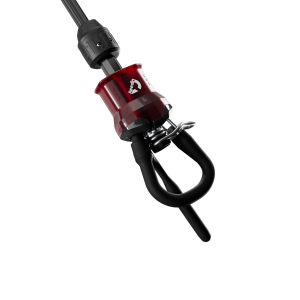
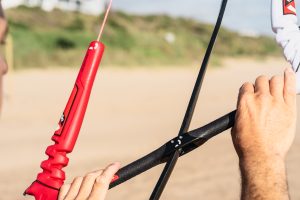
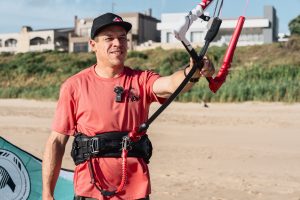
Regardless of the conditions, a fully functional safety system is non-negotiable. Modern control bars allow you to instantly depower the kite if the wind spikes. Safe surfing is the result of informed decision-making: always select your kite size and twin tip board based on your body weight and the current wind speed. If the conditions feel beyond your skill level, the safest choice is to stay on the beach and wait for a better day.
-
![REEDIN DREAMSTICK X 2026]()
![REEDIN DREAMSTICK X 2026]()
![REEDIN DREAMSTICK X 2026]()
![REEDIN DREAMSTICK X 2026]()
![REEDIN DREAMSTICK X 2026]()
![REEDIN DREAMSTICK X 2026]()
![REEDIN DREAMSTICK X 2026]()
![REEDIN DREAMSTICK X 2026]()
![REEDIN DREAMSTICK X 2026]()
![REEDIN DREAMSTICK X 2026]()
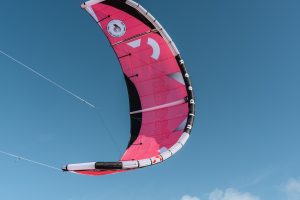
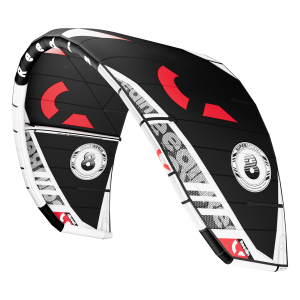
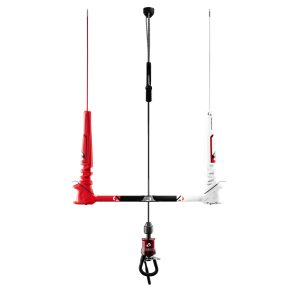
REEDIN DREAMSTICK X 2026
639.00€
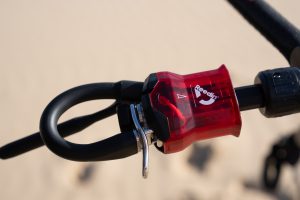
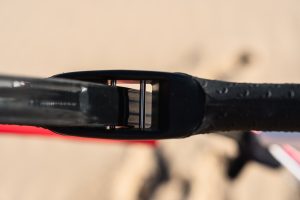
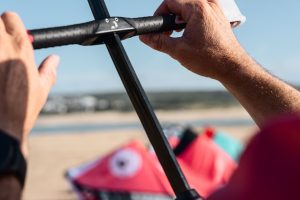
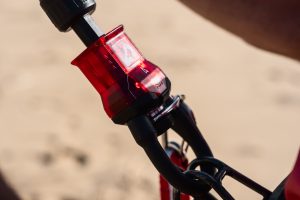
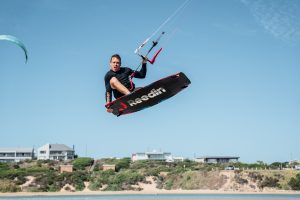
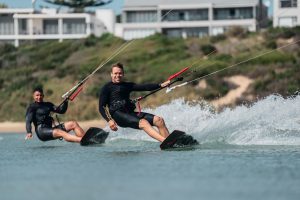
Approach your next session with a plan, and equip yourself with the latest high-performance gear from Reedin Baltics to ensure every moment on the water is both thrilling and safe.
 No products in the basket.