




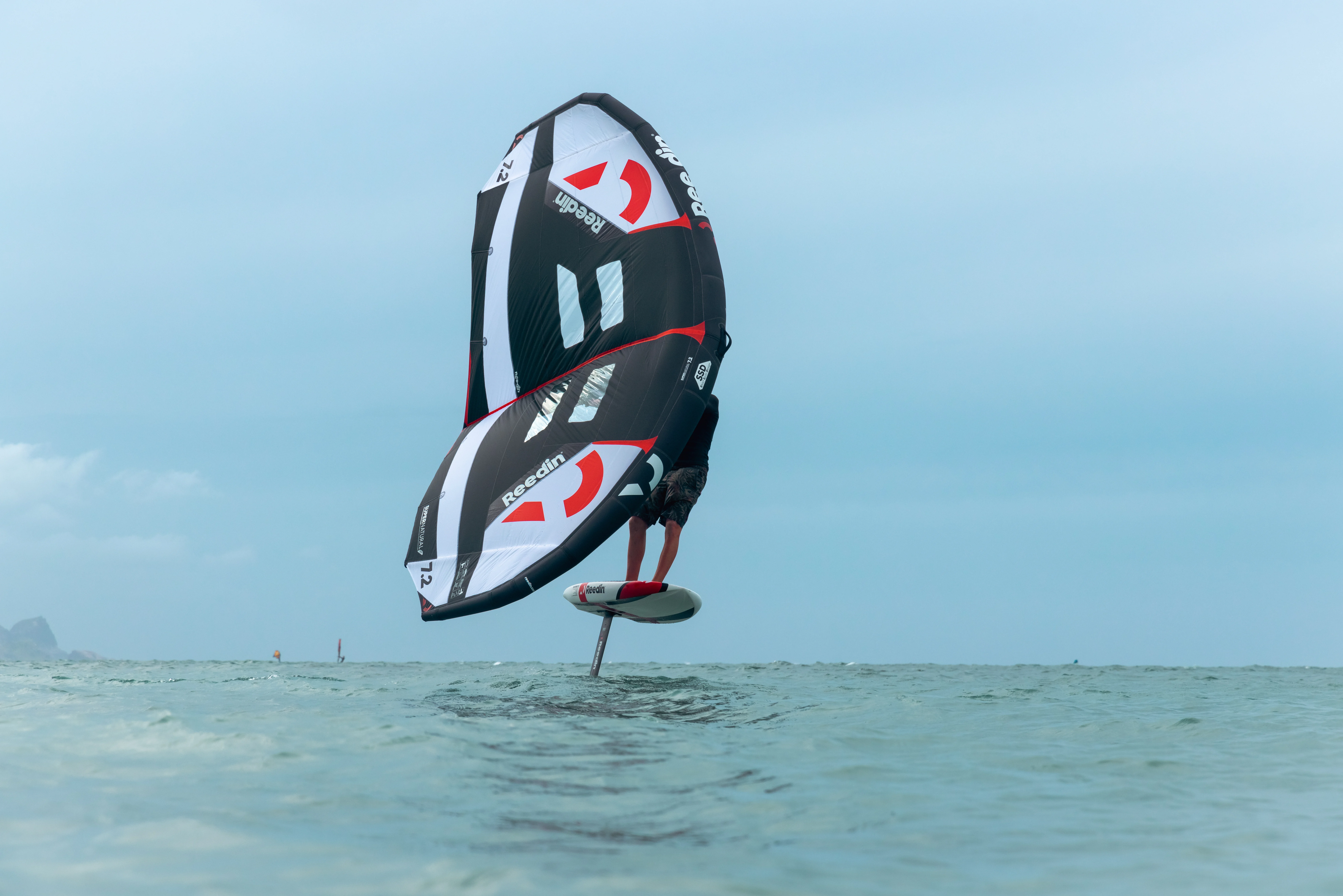
Thanks to Estonia’s heavily indented coastline, you can almost always find a beach with favorable wind conditions. Choosing the right spot is crucial for wing foiling—it helps you avoid heavy chop, dangerous offshore winds, and shallow shoals that can damage your foil.
Around Tallinn: Convenience and Variety
The area surrounding Tallinn offers wing foilers several distinct spots, featuring conditions that range from glassy flat water to moderate chop. Because wave heights in Tallinn Bay rarely exceed 0.25 to 0.5 meters, these beaches are ideal for working on your technique.
Kakumäe is easily one of the region’s most popular spots, thanks to its shallow water and clean, sandy bottom. Westerly and northwesterly winds (W, NW) work best here, delivering smooth, steady breezes right to the shore. Kakumäe Bay is sheltered enough to keep chop manageable while offering plenty of open space for long runs.
Pirita Beach is deeper and more exposed than Kakumäe, which generally means cooler water and stronger wind. Pirita is best suited for experienced riders who enjoy higher speeds and feel confident handling deep water. If you are just starting out, check out our guide on wing foil exercises for beginners so you don’t exhaust yourself fighting the deep water at Pirita.
Stroomi Beach features an enclosed shape that keeps large waves from building up. It makes a great practice ground when the wind blows anywhere from the west through to the northeast. While the water remains relatively calm, keep an eye out for beach obstacles and swim zone boundaries.
Läänemaa’s Gem: Roosta’s Clear Water and Fun Chop
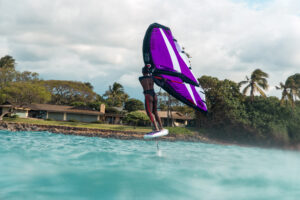
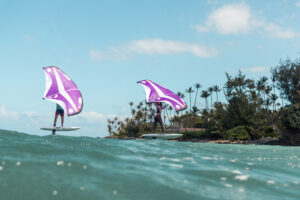
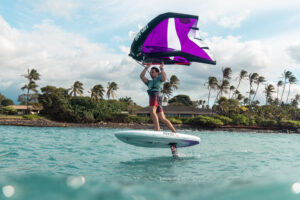
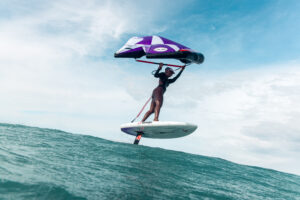
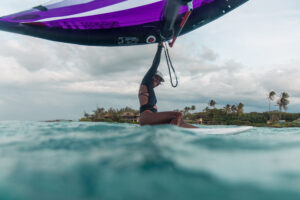
Roosta is a favorite among local riders, renowned for its crystal-clear water and picturesque setting. For wing foiling, this beach shines on a northwest wind (NW), which brings fun chop and small waves. It is the perfect location to hone your balance and dynamic water handling.
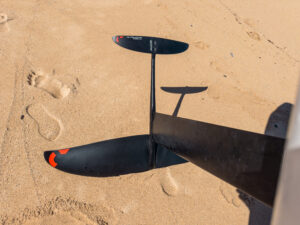
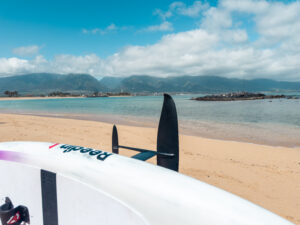
One unique feature of Roosta Beach is its rapidly shifting water temperature, which swings depending on the wind direction. On land, beginners will find wide stretches of beach for wing handling and practicing launches. Remember that your foil mast length should always match the depth of your spot—opt for a shorter mast in shallow areas to protect your foil from bottom strikes.
Pärnu and Saaremaa: Shallow Waters and Unique Lagoons
Pärnu Bay is a true haven for beginners. Its vast shallow area and reliable northwesterly winds create a forgiving learning environment. Wave heights rarely top one meter, letting you focus on foil control and body positioning without having to fight breaking waves.
Saaremaa offers a completely different vibe and outstanding flexibility—within a 30-minute drive, you can easily reach a beach angled perfectly for whatever direction the wind is blowing. The lagoon near the Kiipsaare Lighthouse is one of the most remarkable spots in Estonia. On a northerly wind (N), a shallow, mirror-flat lagoon takes shape—ideal for speed runs and dialing in new maneuvers. With steady breeze and plenty of room, it appeals equally to newcomers and seasoned pros.
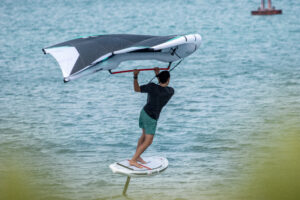
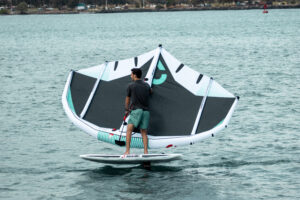
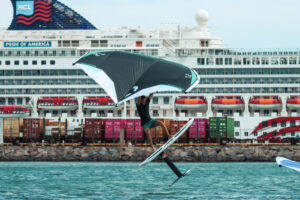
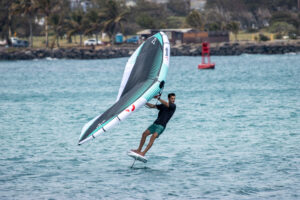

Choosing Gear for Estonian Conditions
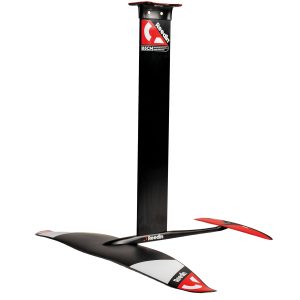
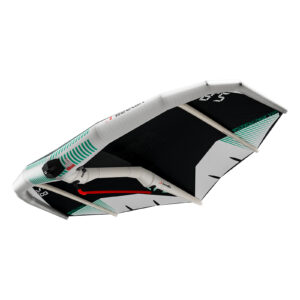
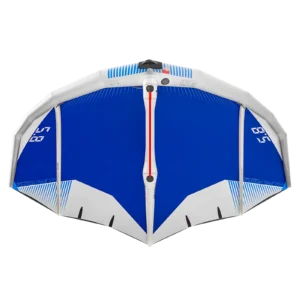
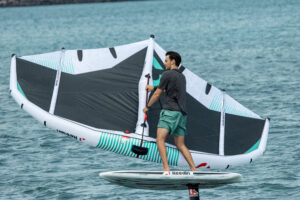
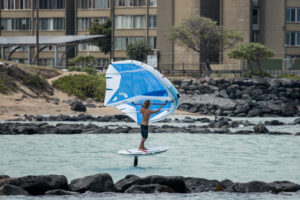
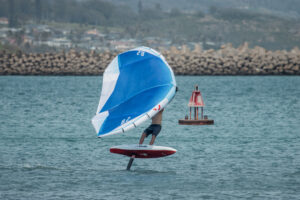
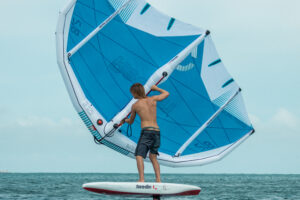
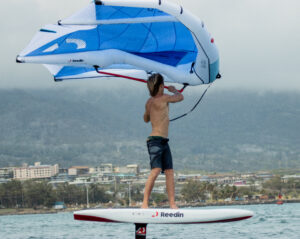
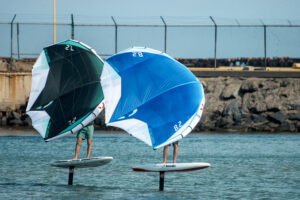
Because choppy conditions are common along the Estonian coast, a 75–85 cm mast is generally the sweet spot. This length offers enough clearance over bumpy water without catching the nose of your board, yet stays manageable in shallower venues like Pärnu. Typical winds range from 12 to 25 knots, which heavily influences your choice of wing size.
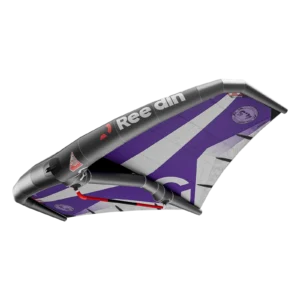
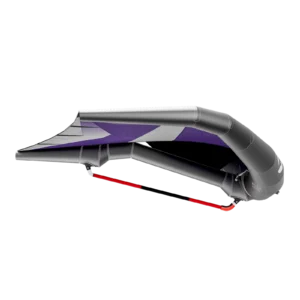
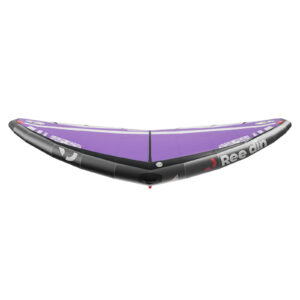
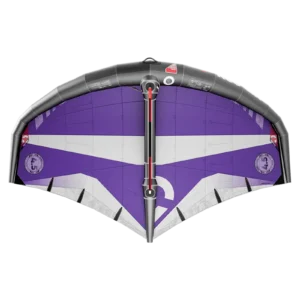
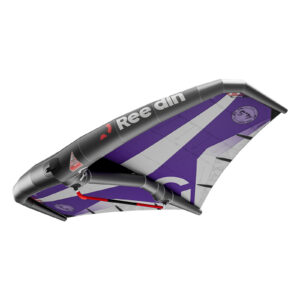
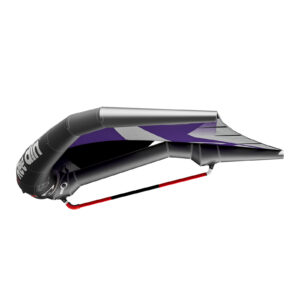
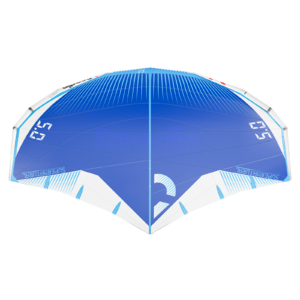
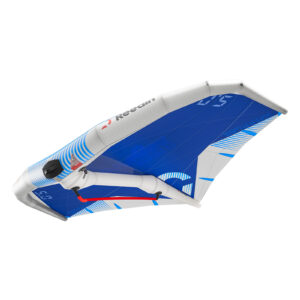
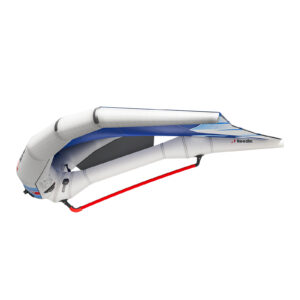
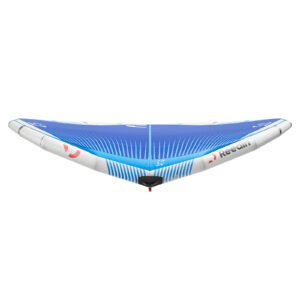
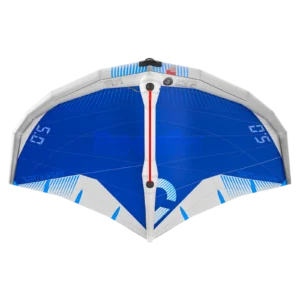
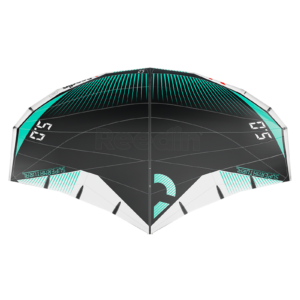
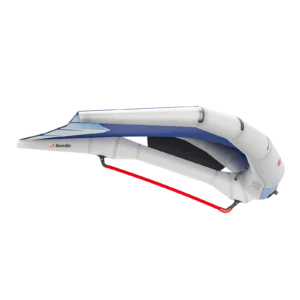
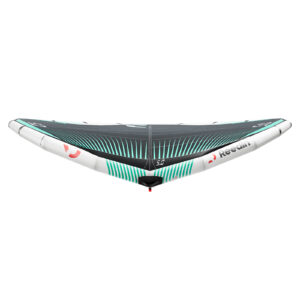
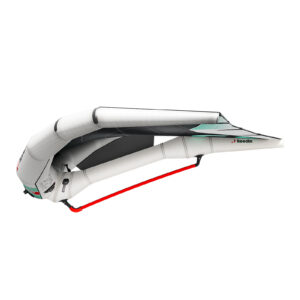
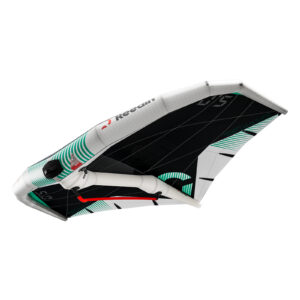
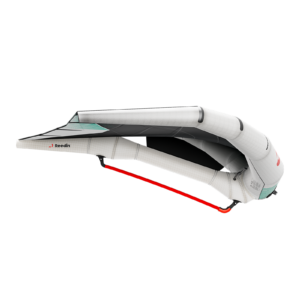
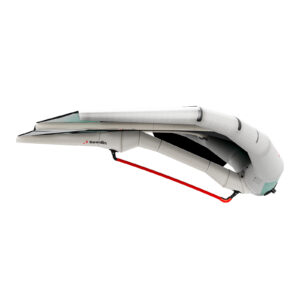
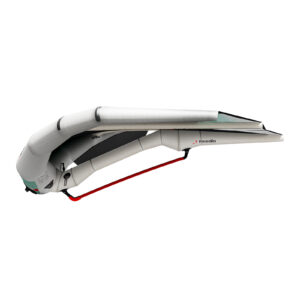
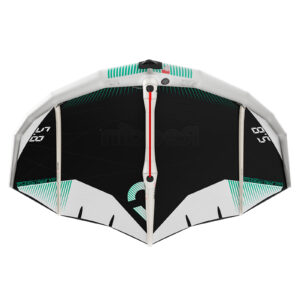
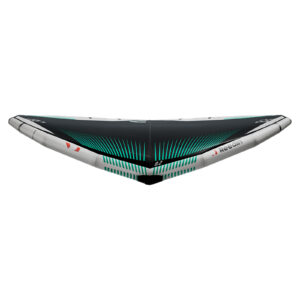
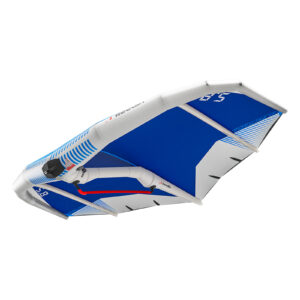
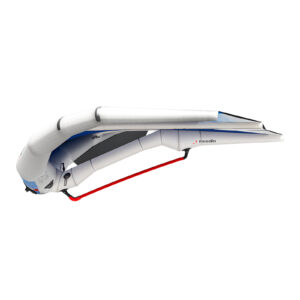
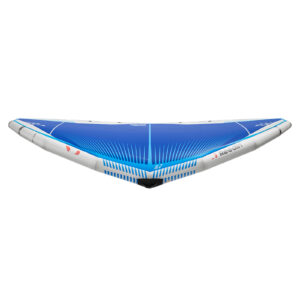
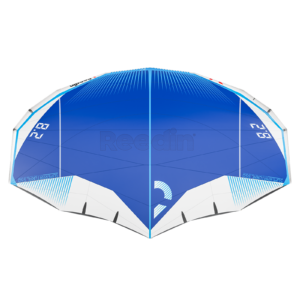
For an average rider weighing around 75 kg, a 5 m² wing serves as a versatile, go-to setup. Beginners should consider starting with a slightly larger wing for extra stability and a more forgiving lift when perfecting their pumping technique. For a full breakdown, check out our guide on selecting the right wing size for wind conditions.
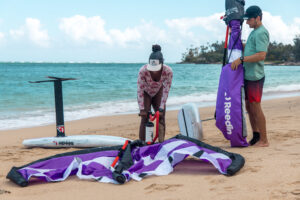
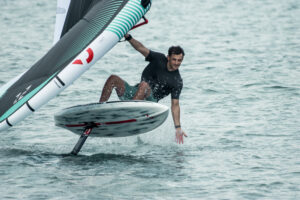
One of the biggest advantages of wing foiling is its minimalist setup and low barrier to entry. Unlike kitesurfing, which requires substantial beach space to lay out lines, wing foiling can be launched almost anywhere. You can explore the differences in detail in our article comparing wing foiling vs kitesurfing.
How to Wing Foil #1 All in the Prep – Watch the video and get ready for your first session
Safety and Reading the Wind
Before launching, always evaluate the wind direction relative to the shoreline. Offshore winds are the most hazardous, as gear failure or physical exhaustion can quickly sweep you out to open water. Side-onshore winds are ideal, providing the safest setup for both learning and progressing.
- Watch for wind shadows and obstacles: Buildings, dunes, and trees generate wind shadows and severe turbulence. Use the 1:7 rule of thumb: if an obstacle is 10 meters tall, its gusty turbulence zone extends up to 70 meters downwind.
- Mind the gust spread: If the forecast shows a wide gap between base wind speed and gusts (more than 5–10 knots), proceed with caution—gusty air makes the wing handle unpredictably.
- Thermal protection and safety gear: Spring and autumn water temperatures in Estonia hover between 5°C and 15°C, making a quality wetsuit, neoprene booties, a helmet, and an impact vest non-negotiable.
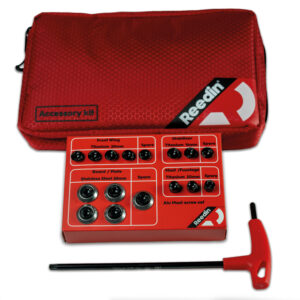
- Equipment checks: With nearly 91% of water accidents stemming from a loss of control, inspect your leash, foil bolts, and inflation valves before heading out.
To dive deeper into local wind patterns and potential hazards, read our guide on kitesurfing in local wind conditions—the meteorological principles apply directly to wing foiling. You can also review general safety rules and self-rescue techniques on our kitesurfing safety page.
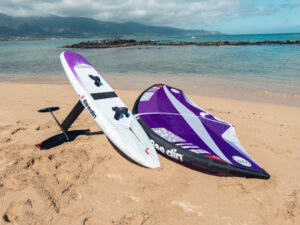
The Estonian coast boasts fantastic conditions for wing foiling. Pick your launch spot based on your skill level, track the forecast closely, and ensure your setup matches the venue. If you are gearing up for the season, explore our wings collection, hydrofoil setups, and dedicated foil boards. Don’t hesitate to reach out for personalized advice on finding the right gear for your riding style and local Estonian conditions.
 No products in the basket.