

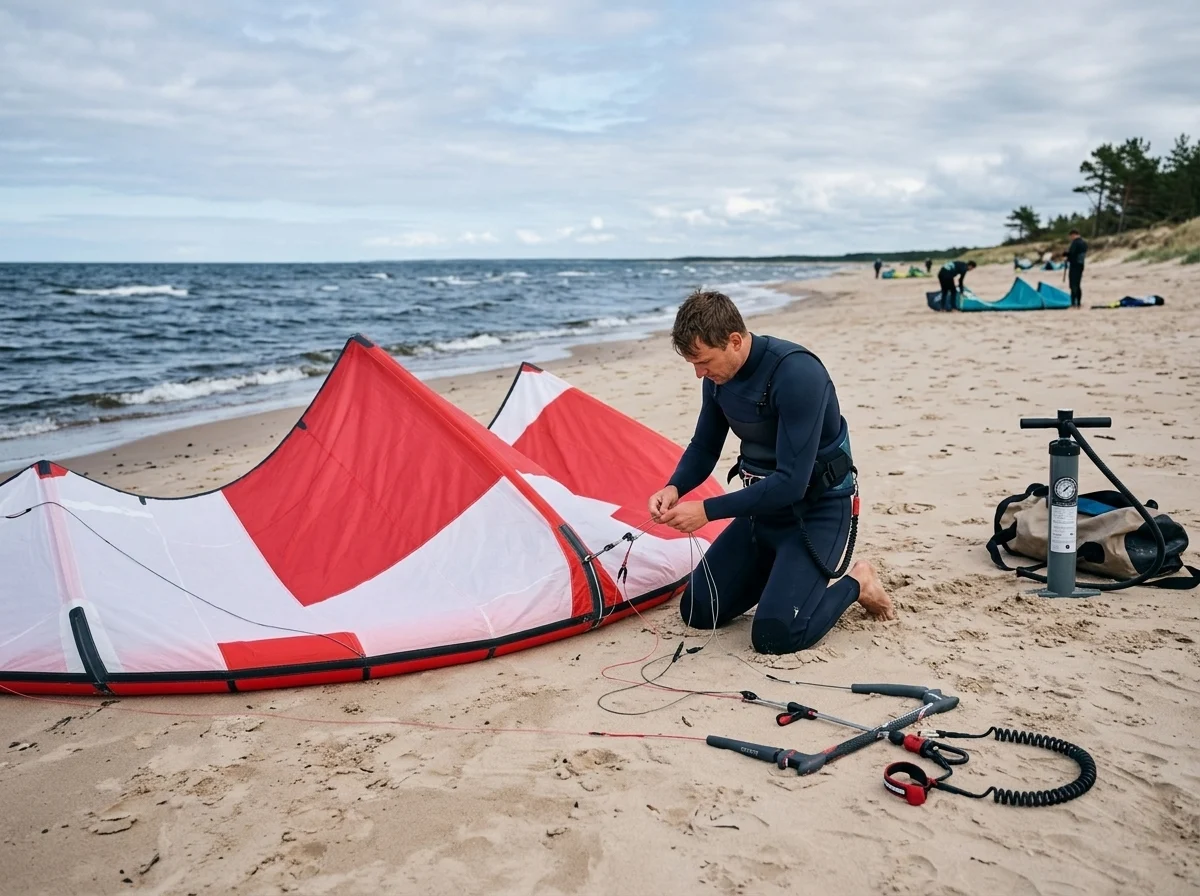
Did you know that nearly 91% of kitesurfing accidents are caused by a loss of kite control? In this sport, safety isn’t just a checklist—it is the foundation of every successful session. Prioritizing safety ensures you stay injury-free and keeps the focus where it belongs: on the thrill of the ride.
1. Conduct a Thorough Pre-Flight Gear Check
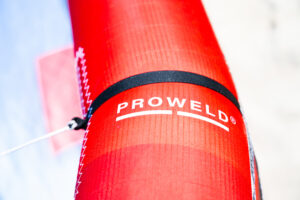
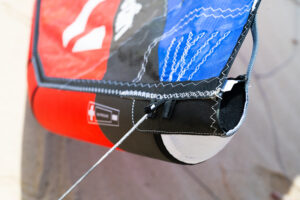
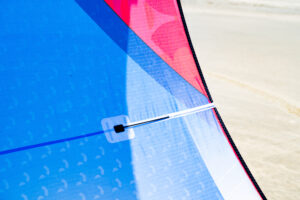
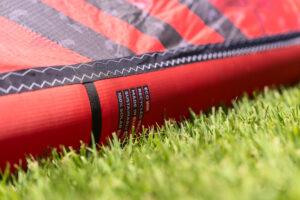
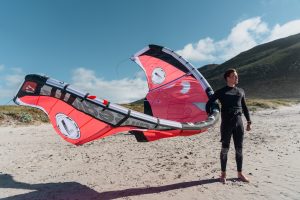
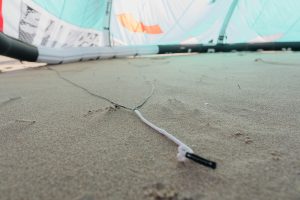
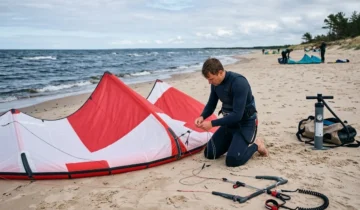
Your safety begins on the sand long before you launch. Before connecting your lines, inspect your canopy for any small tears or signs of fabric fatigue. Lines must be completely free of knots and fraying; even a minor knot can reduce a line’s breaking strength by up to 50%.
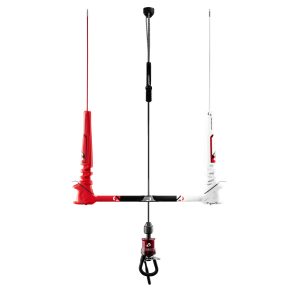
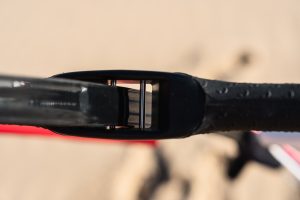
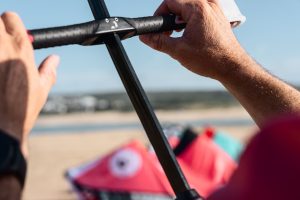
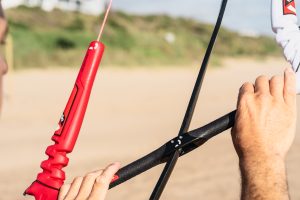
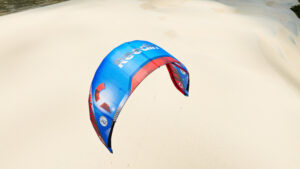
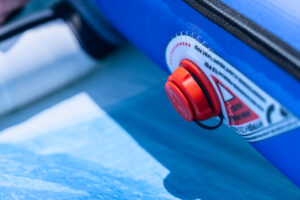
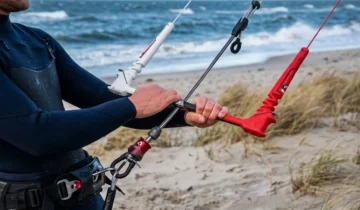
Ensure your kite control bars and their quick-release systems are functioning perfectly and are clear of sand or salt buildup. Always inflate your kite’s leading edge and struts to the manufacturer’s recommended 5–8 PSI. A properly pressurized kite maintains its structural integrity during heavy gusts, ensuring responsive handling when you need it most.
-
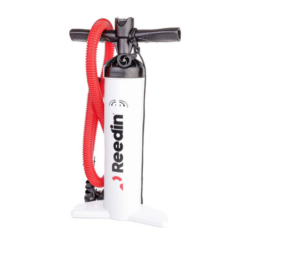
Reedin super pump
49.95€
2. Assess Weather Conditions and Wind Direction
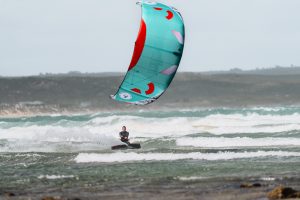
Experienced riders know that the ability to read a forecast is just as important as the ability to ride. Beginners should generally avoid winds exceeding 22 knots or conditions where gusts are more than 10 knots higher than the base wind speed.
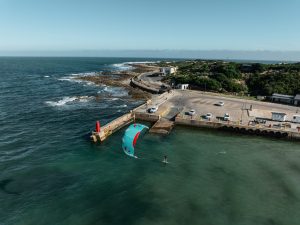
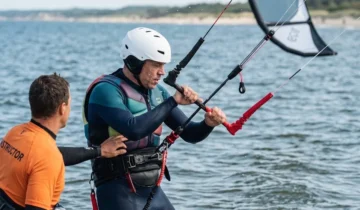
The most hazardous condition for any kiter is offshore wind, which can quickly carry you away from the coast without any hope of a self-rescue. You should also steer clear of approaching thunderstorms and periods of limited visibility. If you are new to the sport, professional kitesurfing lessons are the most effective way to learn how to evaluate local wind patterns and spot potential hazards before heading out solo.
-

![Lohesurfi koolitus]()
![Lohesurfi koolitus]()
![Lohesurfi koolitus]()
![Lohesurfi koolitus]()
![Lohesurfi koolitus]()
![Lohesurfi koolitus]()
![Lohesurfi koolitus]()
![Lohesurfi koolitus]()
![Lohesurfi koolitus]()
Lohesurfi koolitus
Price range: 210.00€ through 1,779.00€
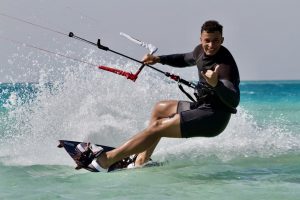

3. Master the Right-of-Way Rules
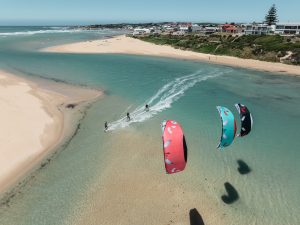
To prevent mid-air tangles and on-water collisions, specific right-of-way rules—similar to maritime law—must be followed:
- Starboard Tack (Right hand forward): If you are riding with your right hand forward on the bar, you have the right of way. The oncoming rider must yield and lower their kite to let you pass.
- The Downwind Rider: The rider downwind of you has priority because they cannot easily see what is happening behind or above them.
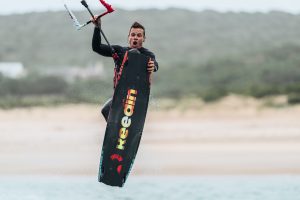
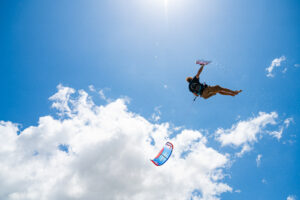
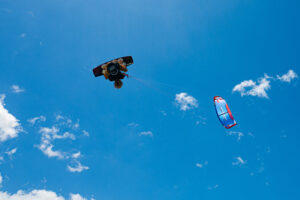
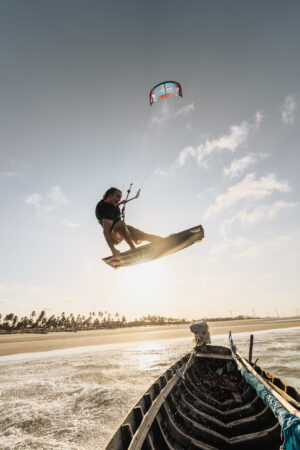
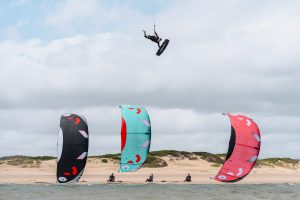
- The Jump Zone: Before sending a jump or performing a maneuver, always ensure you have at least 50 meters of clear “buffer” space downwind.
- Launching Priority: A rider entering the water has priority over a rider returning to shore. Wind near the beach can be turbulent, and the person launching is in a more vulnerable position until they reach open water.
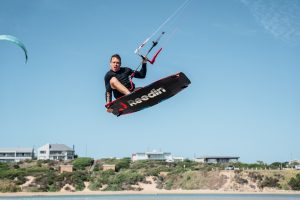
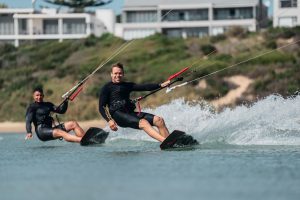
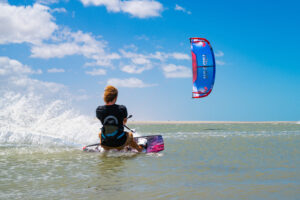
Maintaining control is also much easier when using stable twin tip boards that are appropriately sized for your weight and the current water conditions.
4. Know Your Quick Release and Self-Rescue
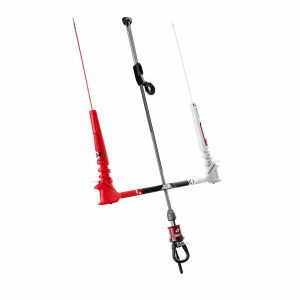
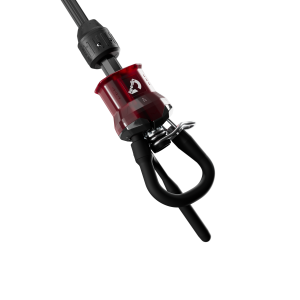
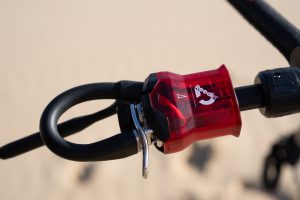
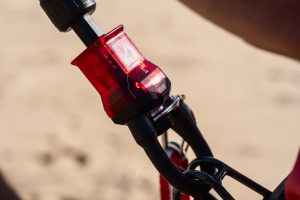
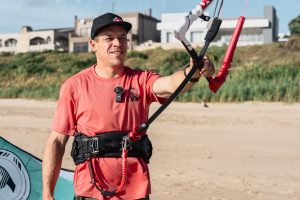
Every kiter must be able to operate their quick release (QR) by muscle memory. If your kite becomes uncontrollable or begins to “death loop,” activate the primary safety system immediately. This instantly depowers the kite, leaving it attached by a single safety line.
In an emergency where the kite cannot be relaunched and you are drifting away from shore, you must perform a self-rescue. This involves wrapping your lines securely onto the bar, reaching the kite, and using the inflated canopy as a raft or a “sail” to catch the wind and drift back to safety.
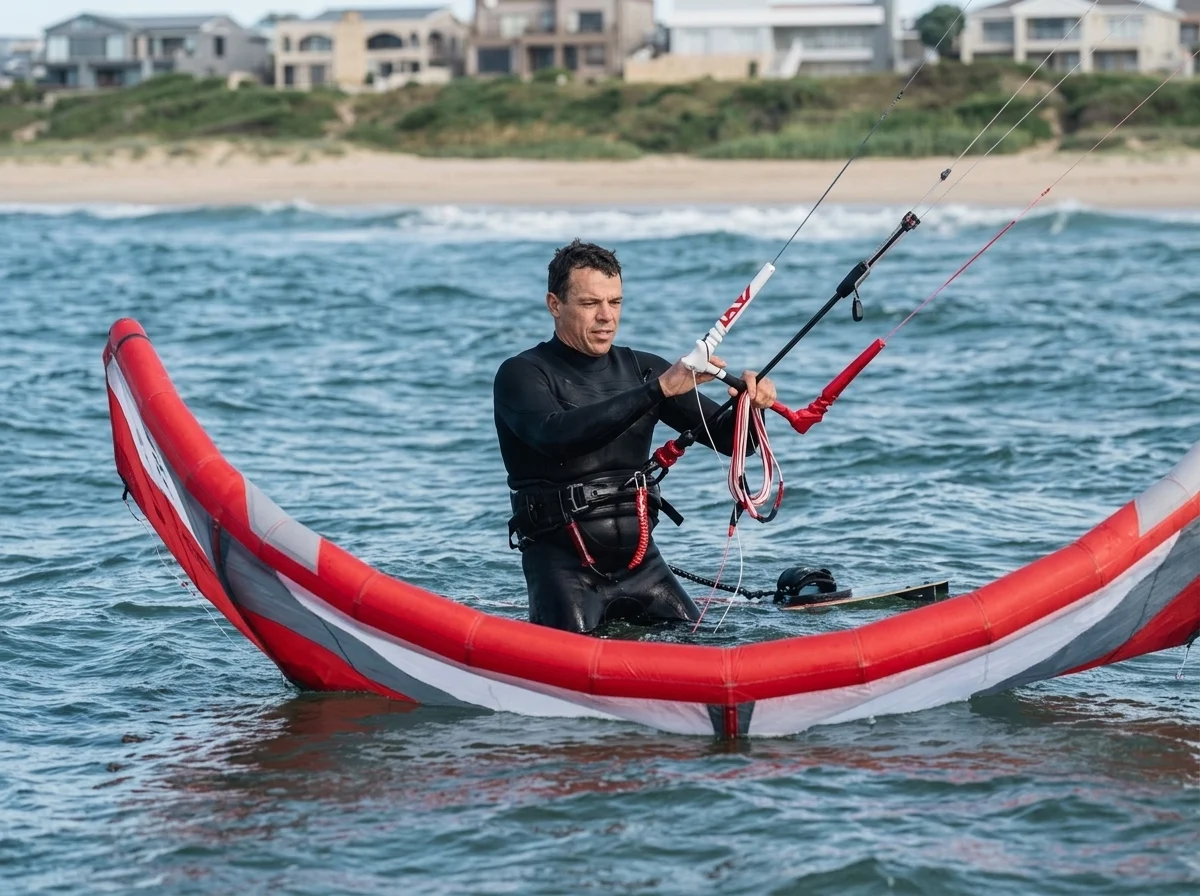
5. Choose Gear Suited to Your Skill Level
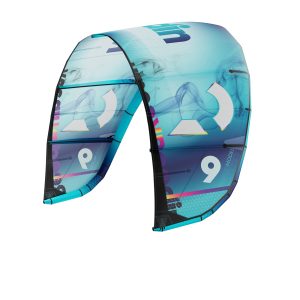
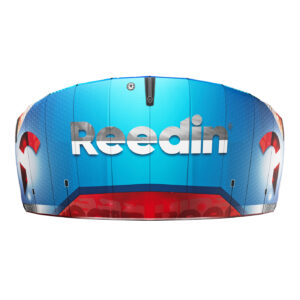
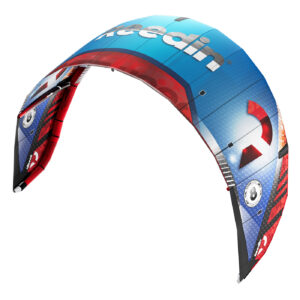
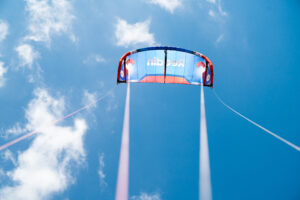
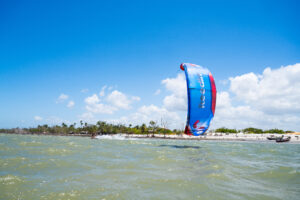
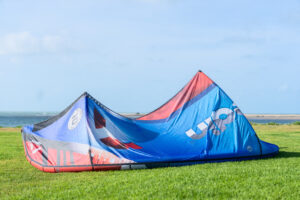
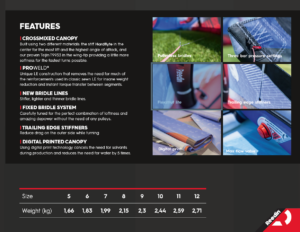
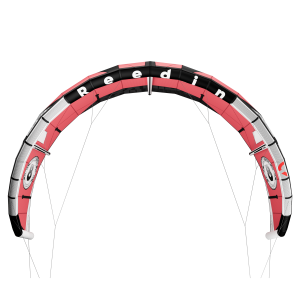
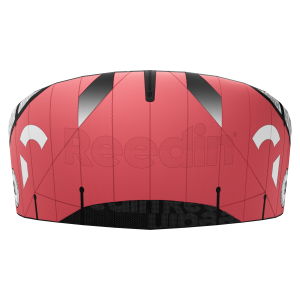
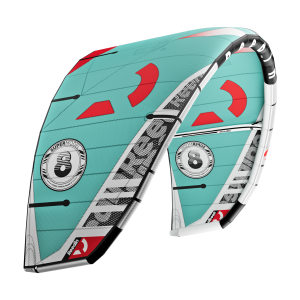
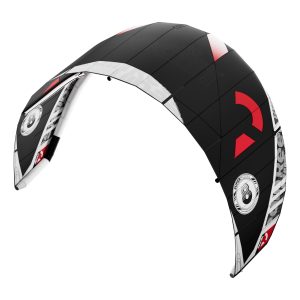
Using a kite that is too powerful for the conditions—or your ability—is a leading cause of preventable injury. High-quality modern kites are engineered to provide a massive wind range and predictable depower.
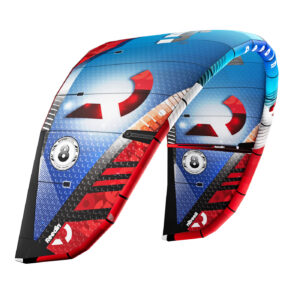
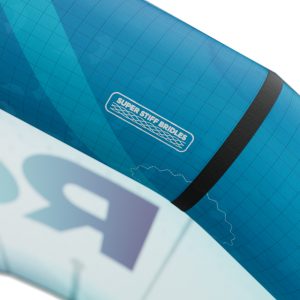
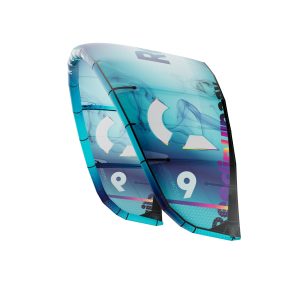
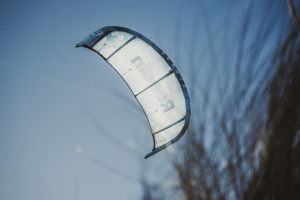
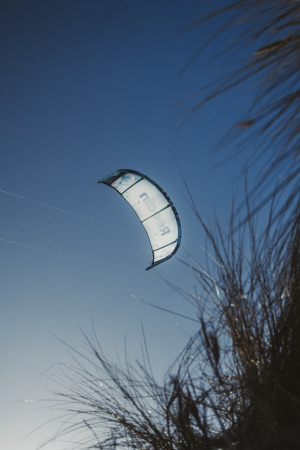
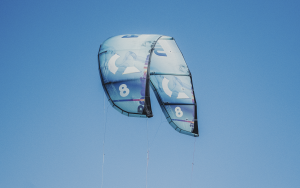
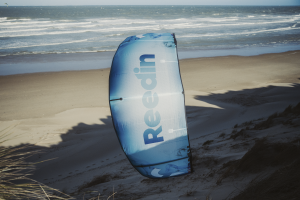
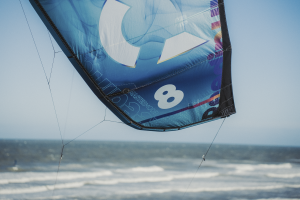
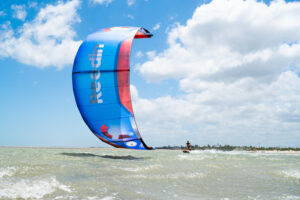
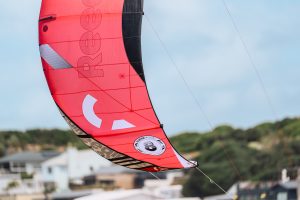
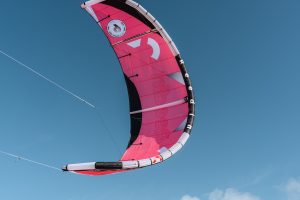
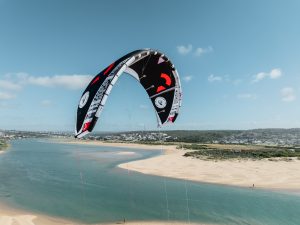
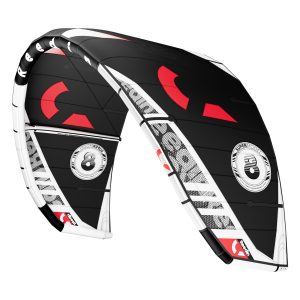
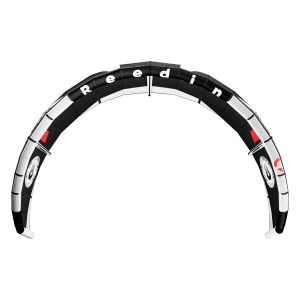
To help riders understand these limits, we have documented gear performance in extreme conditions, such as the HyperModel’s performance in 30 knots. For beginners, an intuitive, stable kite that “forgives” steering errors is essential. Advanced riders, meanwhile, can opt for high-performance kites designed for explosive lift and kiteloops.
-
![REEDIN HyperModel 2025]()
![REEDIN HyperModel 2025]()
![REEDIN HyperModel 2025]()
![REEDIN HyperModel 2025]()
![REEDIN HyperModel 2025]()
![REEDIN HyperModel 2025]()
![REEDIN HyperModel 2025]()
![REEDIN HyperModel 2025]()
![REEDIN HyperModel 2025]()
![REEDIN HyperModel 2025]()
![REEDIN HyperModel 2025]()
![REEDIN HyperModel 2025]()
![REEDIN HyperModel 2025]()
![REEDIN HyperModel 2025]()
![REEDIN HyperModel 2025]()
![REEDIN HyperModel 2025]()
![REEDIN HyperModel 2025]()
![REEDIN HyperModel 2025]()
REEDIN HyperModel 2025
Price range: 1,899.00€ through 2,489.00€ -
![REEDIN SUPERMODEL 2025]()
![REEDIN SUPERMODEL 2025]()
![REEDIN SUPERMODEL 2025]()
![REEDIN SUPERMODEL 2025]()
![REEDIN SUPERMODEL 2025]()
![REEDIN SUPERMODEL 2025]()
![REEDIN SUPERMODEL 2025]()
![REEDIN SUPERMODEL 2025]()
![REEDIN SUPERMODEL 2025]()
![REEDIN SUPERMODEL 2025]()
![REEDIN SUPERMODEL 2025]()
![REEDIN SUPERMODEL 2025]()
![REEDIN SUPERMODEL 2025]()
![REEDIN SUPERMODEL 2025]()
![REEDIN SUPERMODEL 2025]()
![REEDIN SUPERMODEL 2025]()
![REEDIN SUPERMODEL 2025]()
![REEDIN SUPERMODEL 2025]()
![REEDIN SUPERMODEL 2025]()
![REEDIN SUPERMODEL 2025]()
![REEDIN SUPERMODEL 2025]()
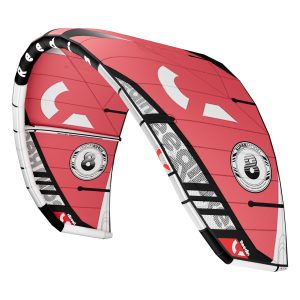
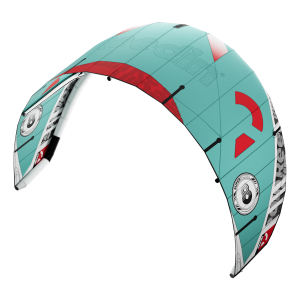
REEDIN SUPERMODEL 2025
Price range: 1,289.00€ through 1,779.00€







Safety in kitesurfing isn’t about fear; it’s about respect for the elements and knowing your equipment. By performing regular gear checks, respecting the weather, and following the rules of the water, you ensure that every session is a good one. If you need to upgrade your safety equipment or want expert advice on choosing the right kite, contact our team or explore our collection online.
 No products in the cart.