

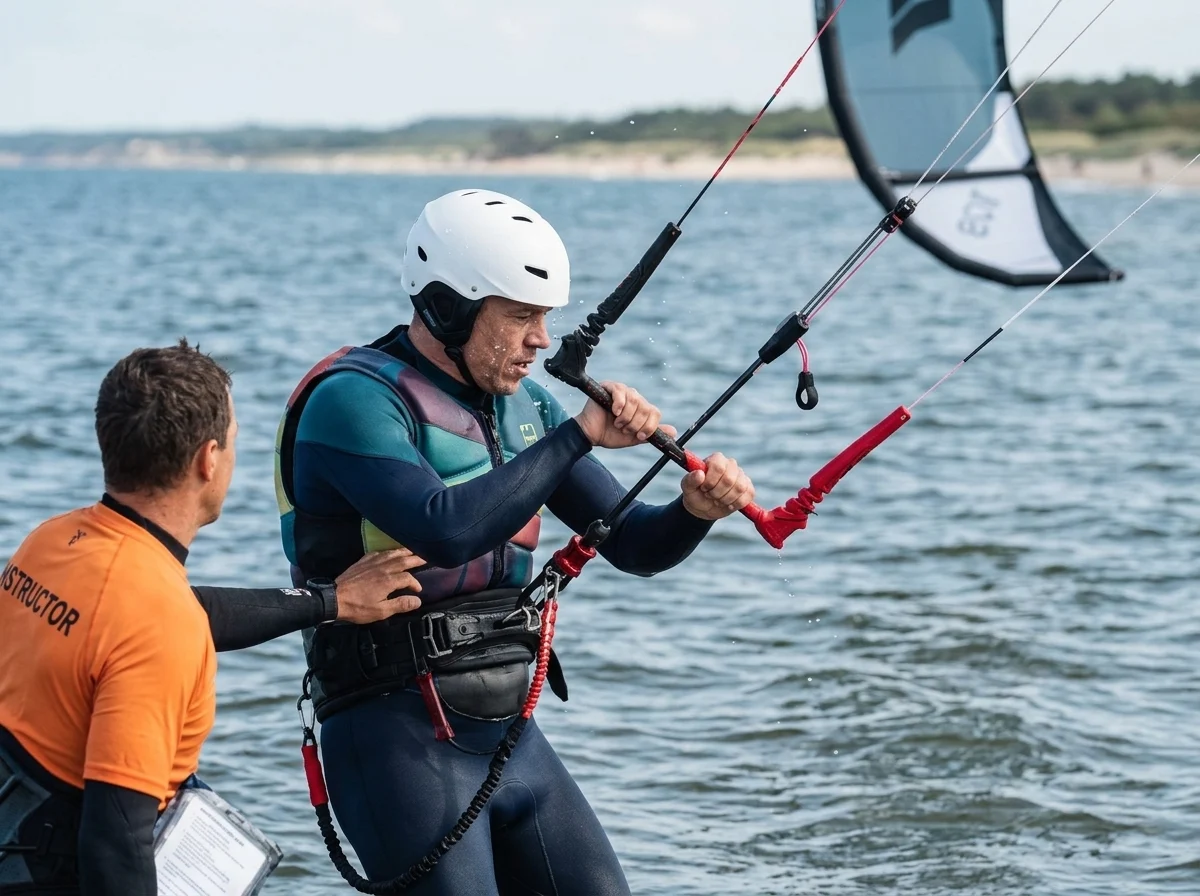
Thinking about taking to the water with a kite but not sure who to trust? Choosing the wrong instructor doesn’t just lead to wasted time—it can also pose significant safety risks. A professional coach ensures you progress faster and stay safe, turning your first sessions into an exhilarating and secure experience.
Look for International Certification as a Mark of Quality
The first step in vetting an instructor is checking their professional qualifications. There are two primary globally recognized standards: IKO (International Kiteboarding Organization) and VDWS. These organizations ensure that instructors have undergone rigorous training and utilize proven teaching methodologies that prioritize student safety.
For instance, an IKO Level 1 instructor must complete a 16-hour course, pass written and practical exams, and log 20 hours of supervised practice. Similarly, VDWS requires a 5-day training program and at least 100 logged riding hours. Professional kitesurfing lessons follow a structured curriculum where theory and practice are carefully balanced. A certified instructor can break down complex aerodynamics into simple terms, ensuring you understand the mechanics behind the kite before you ever step into the water.
-
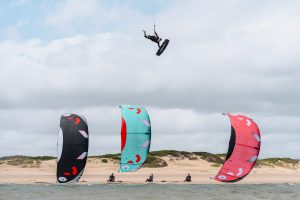
![Lohesurfi koolitus]()
![Lohesurfi koolitus]()
![Lohesurfi koolitus]()
![Lohesurfi koolitus]()
![Lohesurfi koolitus]()
![Lohesurfi koolitus]()
![Lohesurfi koolitus]()
![Lohesurfi koolitus]()
![Lohesurfi koolitus]()
Lohesurfi koolitus
Price range: 210.00€ through 1,779.00€
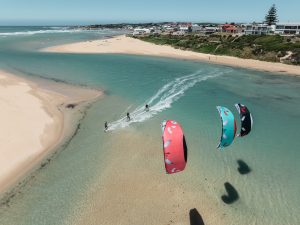
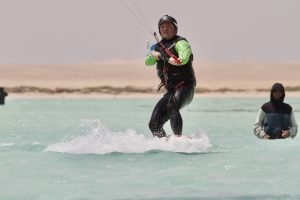
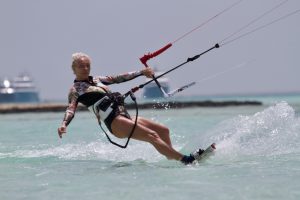
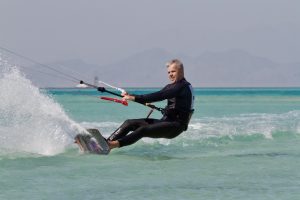
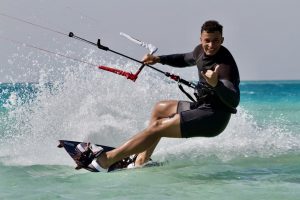
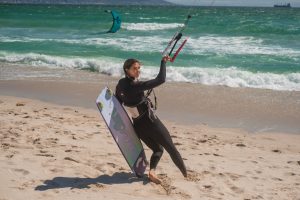
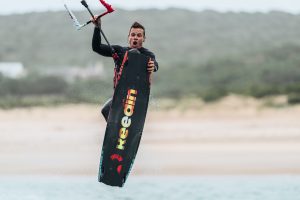
Safety Protocols and Modern Equipment
Safety is the most critical element of kitesurfing, and a pro instructor never cuts corners. Statistics show that nearly 60% of kite-related accidents occur during improper launching or landing, making it vital that your instructor emphasizes safety systems from day one.
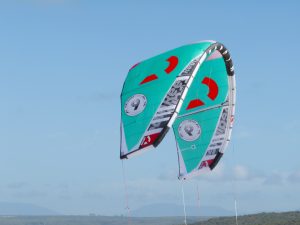
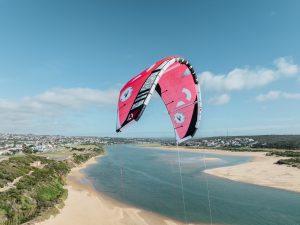
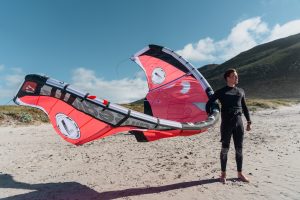
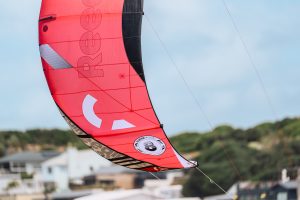
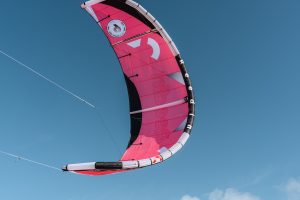
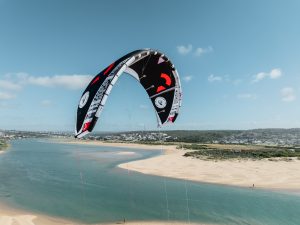
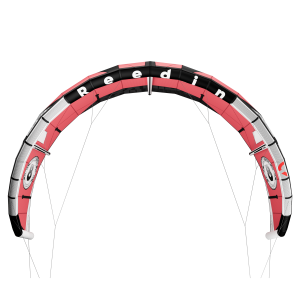
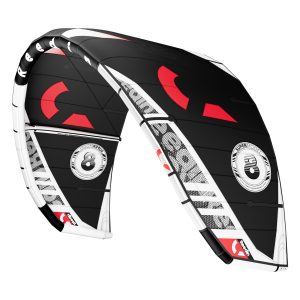
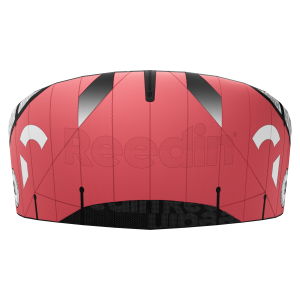
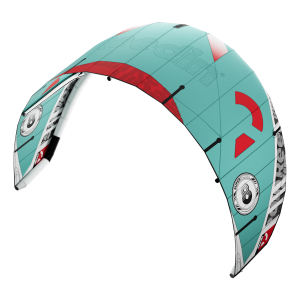
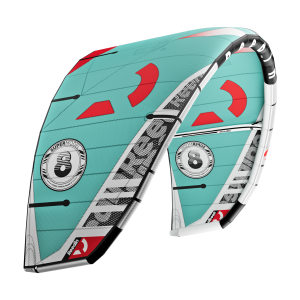
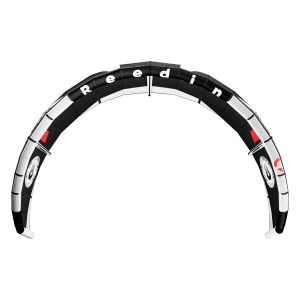
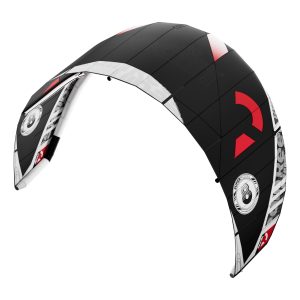
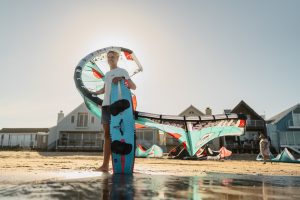
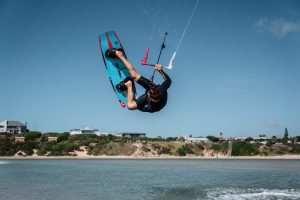
High-quality training schools often use radio helmets, allowing you to receive real-time coaching while you’re out on the water. Furthermore, your instructor should always be prepared for a quick recovery using a boat or rescue board. The kites used for lessons must be modern and well-maintained. Beginners need gear that is stable and “forgiving.” For example, the Reedin SuperModel is highly regarded for its intuitive handling and smooth power delivery, which helps build confidence and reduces the risk of accidental power spikes.
-
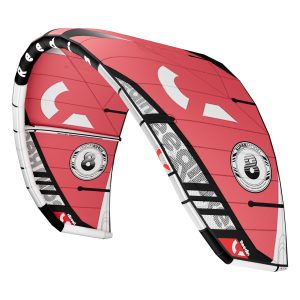
![REEDIN SUPERMODEL 2025]()
![REEDIN SUPERMODEL 2025]()
![REEDIN SUPERMODEL 2025]()
![REEDIN SUPERMODEL 2025]()
![REEDIN SUPERMODEL 2025]()
![REEDIN SUPERMODEL 2025]()
![REEDIN SUPERMODEL 2025]()
![REEDIN SUPERMODEL 2025]()
![REEDIN SUPERMODEL 2025]()
![REEDIN SUPERMODEL 2025]()
![REEDIN SUPERMODEL 2025]()
![REEDIN SUPERMODEL 2025]()
![REEDIN SUPERMODEL 2025]()
![REEDIN SUPERMODEL 2025]()
![REEDIN SUPERMODEL 2025]()
![REEDIN SUPERMODEL 2025]()
![REEDIN SUPERMODEL 2025]()
![REEDIN SUPERMODEL 2025]()
![REEDIN SUPERMODEL 2025]()
![REEDIN SUPERMODEL 2025]()
![REEDIN SUPERMODEL 2025]()
REEDIN SUPERMODEL 2025
Price range: 1,289.00€ through 1,779.00€

Group Size and Personalized Coaching
When browsing schools, look for those that offer a low student-to-instructor ratio. You will see the fastest results with 1:1 private coaching or a “semi-private” setup with a maximum of two students per instructor. While some international standards allow up to four students per coach in specific conditions, larger groups often mean you spend more time standing on the beach and less time getting personalized feedback on your technique.
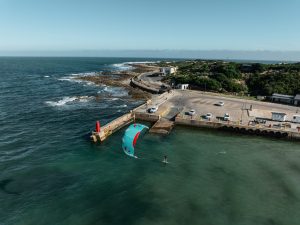
An experienced local instructor also understands the nuances of the environment. Whether it’s the shifting winds of Tallinn and Pärnu or the unique conditions in Hiiumaa, they should have deep knowledge of local weather patterns and gear selection. In the cooler waters of the Baltic, proper thermal protection is essential; your school should provide a high-quality, appropriately thick wetsuit and any necessary accessories to keep you comfortable.
Training for Independence and Long-Term Progression
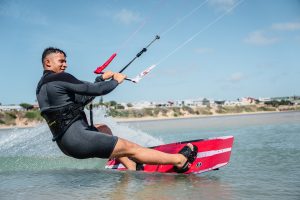
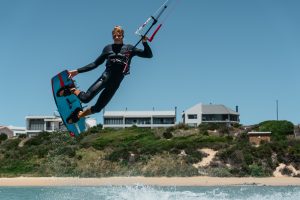
The ultimate goal of any quality kite course isn’t just to get you standing on the board once—it’s to turn you into an independent, responsible kiter. This includes mastering risk assessment, understanding right-of-way rules, and being proficient in self-rescue techniques. A professional will never rush you into a “water start” until you have demonstrated full control during land-based flying and body-dragging exercises.
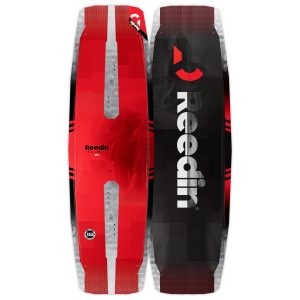
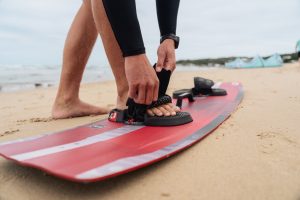
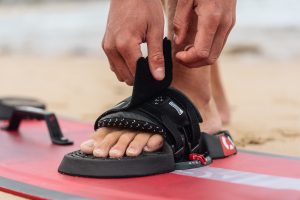
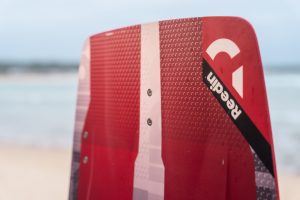
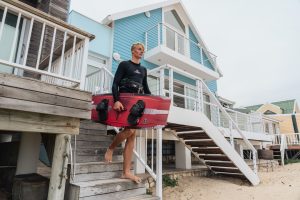
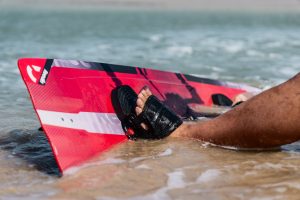
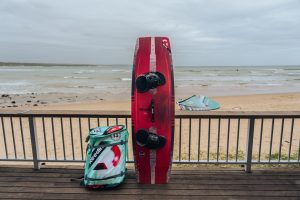
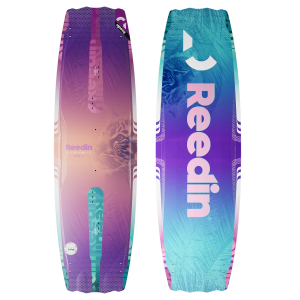
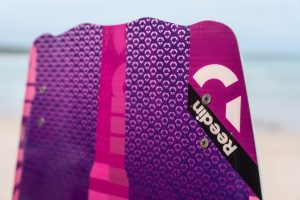
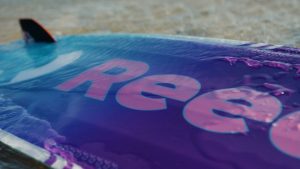
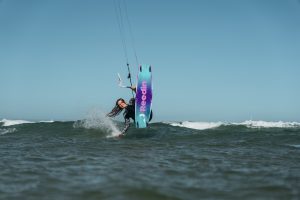
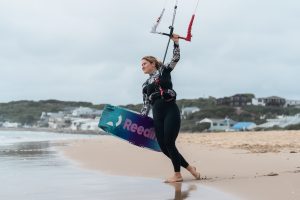
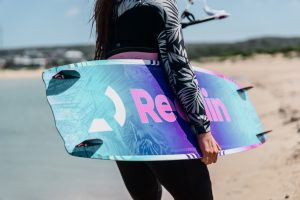
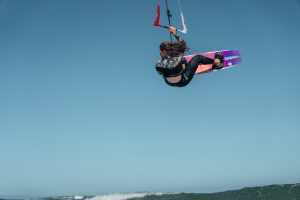
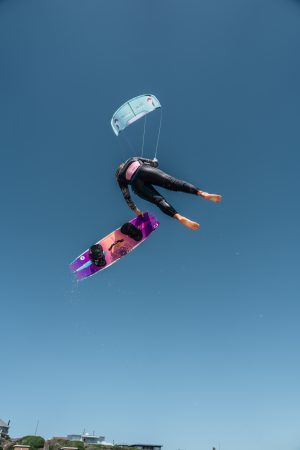
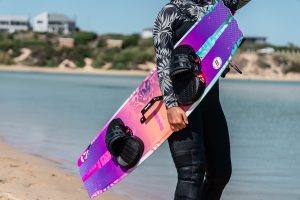
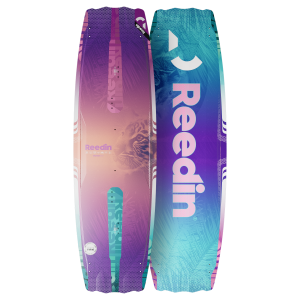
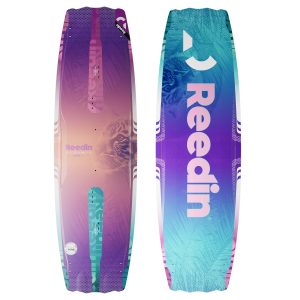
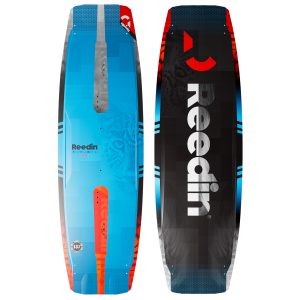
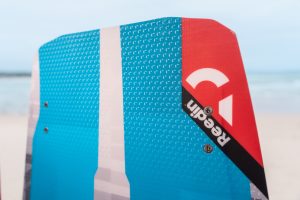
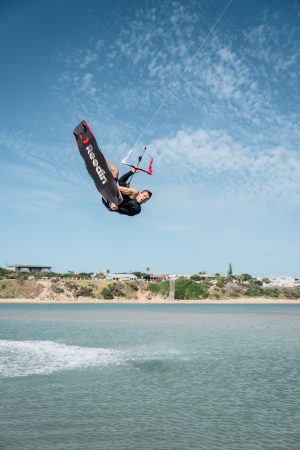
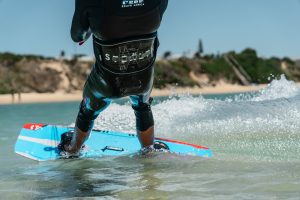
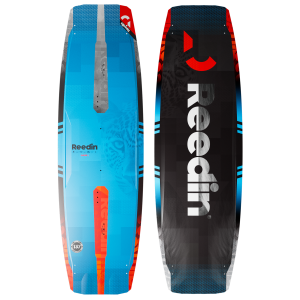
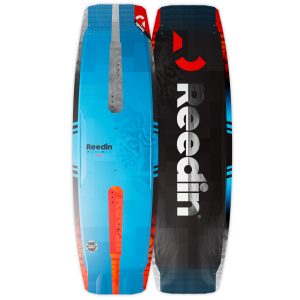
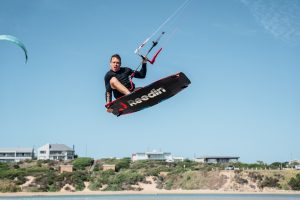
Once you’ve mastered the basics, choosing the right Twintip board is the key to continued growth. Beginners generally benefit from larger, more stable boards that plane easily at lower speeds.
- The Reedin Super E is an excellent all-rounder for those looking to progress quickly.
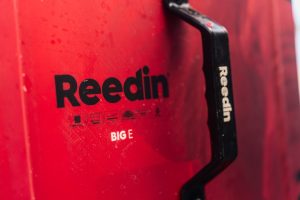
- The Reedin Big E is the perfect choice for light winds or heavier riders, offering maximum stability.
- The Reedin Good Day is specifically engineered for lighter riders, providing better grip and control.

Questions to Ask Before You Book
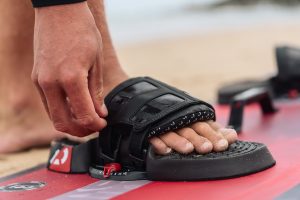
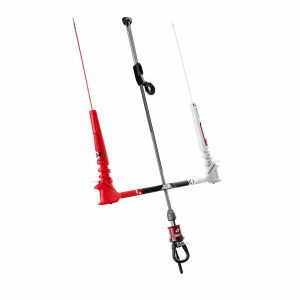
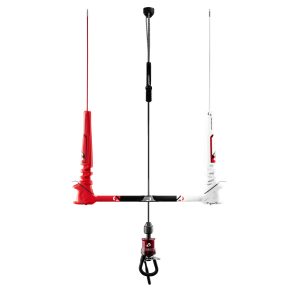
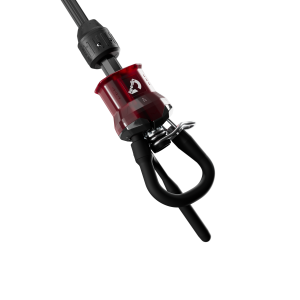
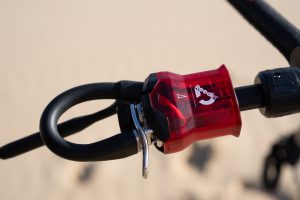
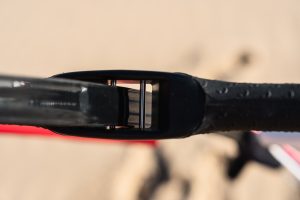
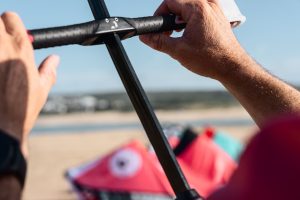
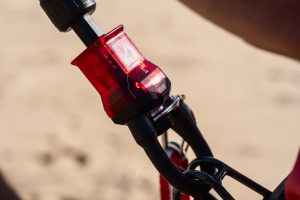
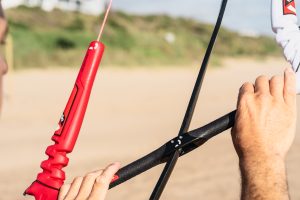
Before finalizing your booking, confirm that the course fee includes all necessary safety gear, such as a harness, buoyancy aid, and helmet. It is also worth asking if the control bars used in training feature modern, reliable safety releases. A system like the Reedin DreamStick X allows you to depower the kite instantly, which is your most important safety net.
Consider these final points:
- Do you receive an international certificate (like the IKO vCard) upon completion? This acts as your “license” to rent gear worldwide.
- What is the school’s “no-wind” policy? Will they reschedule or offer a refund if conditions aren’t suitable for learning?
- Does the instructor provide post-course guidance to help you choose your first set of personal equipment?
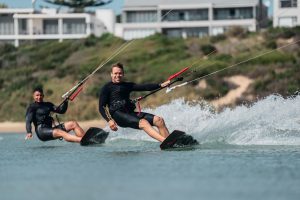
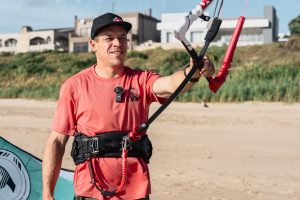
By choosing an instructor who prioritizes methodology and top-tier equipment, you ensure your entry into the world of kitesurfing is both fast and safe. With the right guidance, you’ll be riding independently in no time. Book your first lesson today and start your journey on the water.
-
![Lohesurfi koolitus]()
![Lohesurfi koolitus]()
![Lohesurfi koolitus]()
![Lohesurfi koolitus]()
![Lohesurfi koolitus]()
![Lohesurfi koolitus]()
![Lohesurfi koolitus]()
![Lohesurfi koolitus]()
![Lohesurfi koolitus]()
Lohesurfi koolitus
Price range: 210.00€ through 1,779.00€
 No products in the cart.